



Ladakh: The High-Altitude Desert
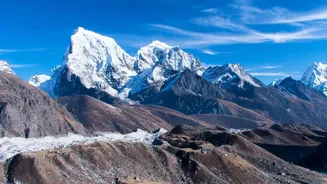
August is a prime month to visit Ladakh, a region often called the 'cold desert'. Shielded by the Himalayas, it receives minimal rainfall, resulting in clear blue skies and pleasant daytime temperatures perfect for exploring. All major routes and internal
roads to iconic sites like Pangong Tso, Nubra Valley, and Tso Moriri are typically open. The weather is warm during the day, though nights can get chilly, so packing layers is essential. This is the ideal time for road trips, trekking, and visiting ancient monasteries perched on dramatic hillsides. While the approach roads via Manali or Srinagar might see some rain, flying into Leh is a convenient option to maximize your time in this surreal landscape. Acclimatisation is key, so plan to spend a couple of days in Leh to adjust to the high altitude before venturing further.
Spiti Valley: A World Apart
Much like Ladakh, Spiti Valley in Himachal Pradesh is a rain-shadow region that remains largely dry in August. This makes it an excellent time for adventurers looking to explore its stark, lunar-like landscapes, ancient Buddhist monasteries, and high-altitude villages. Roads from both Shimla and Manali are generally open, offering access to this remote paradise. Daytime temperatures are pleasant for sightseeing, but nights are cold. Key attractions like Key Monastery, Chandratal Lake, and the villages of Kaza and Tabo are accessible and at their most beautiful. However, travelers should be aware that the approach routes can be susceptible to landslides caused by monsoon rains in lower Himachal, so building buffer days into your itinerary is a wise precaution.
Eastern Tamil Nadu: Coastal and Cultural Getaway
While the western coast of India is drenched, the eastern coast, particularly in Tamil Nadu, experiences significantly less rainfall in August. The state gets most of its rain during the retreating northeast monsoon later in the year. This makes it a great time to explore the region's rich cultural heritage without the intense crowds of peak season. You can wander through the ancient temples of Madurai or Thanjavur, explore the French colonial architecture of Pondicherry, or relax on the relatively drier beaches along the coast. While you might encounter occasional showers, they are typically not heavy enough to disrupt travel plans, offering a chance to see the landscape in a fresh, clean light.
Mount Abu: Rajasthan’s Green Oasis
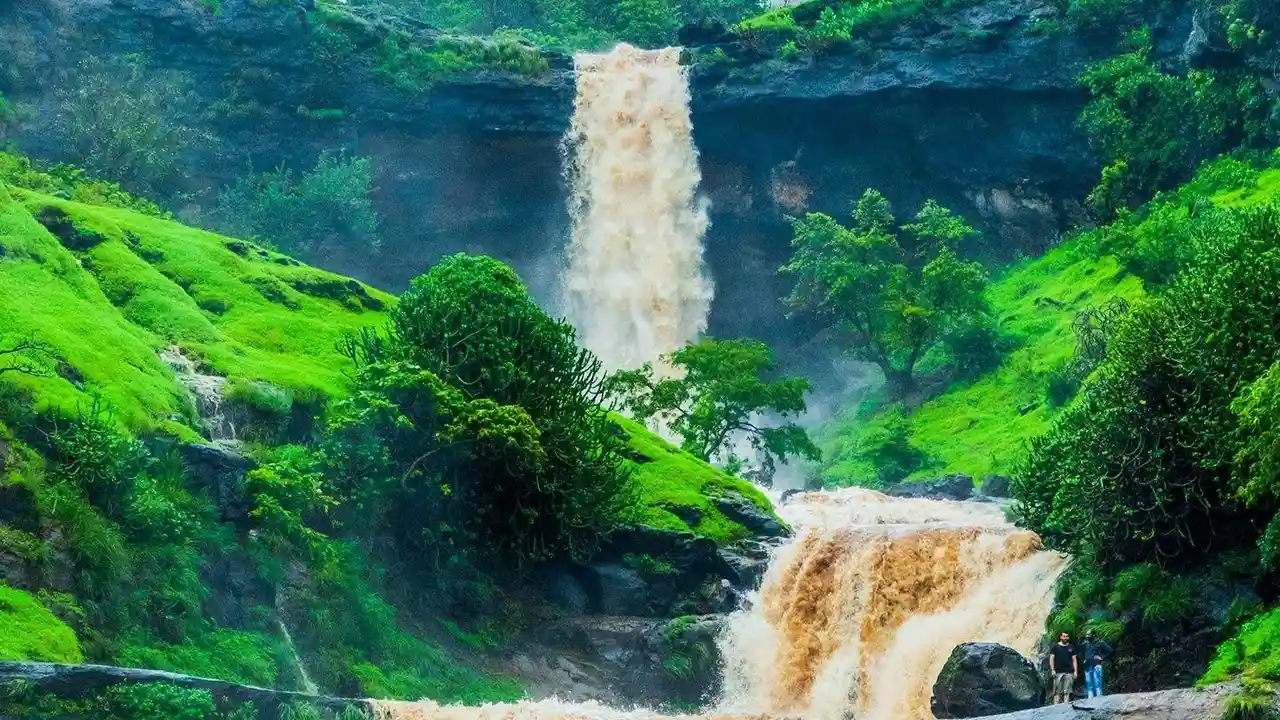
For those seeking a hill station experience without travelling to the Himalayas, Mount Abu in Rajasthan is a compelling option. While it does experience monsoon rains in August, the showers transform the sole hill station in the desert state into a lush, green paradise. The temperatures are cool and comfortable, providing a respite from the heat of the plains. It's a time of fewer crowds and lower prices. You can enjoy boating on Nakki Lake amidst the mist, visit the intricately carved Dilwara Jain Temples, and trek through the greened Aravalli hills in the Mount Abu Wildlife Sanctuary. The foggy weather adds a mystical charm to the landscape, making it a unique monsoon retreat.