




The Magic of One Pan
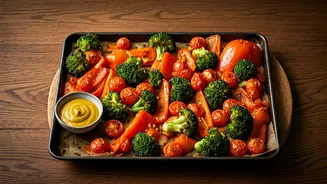
The promise of a one-pan meal is seductive, especially on a busy weeknight. No complex choreography of sautéing, boiling, and simmering. Instead, you get a straightforward process: chop, toss, roast. The beauty of the sheet pan method lies in its efficiency.
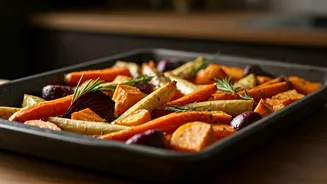
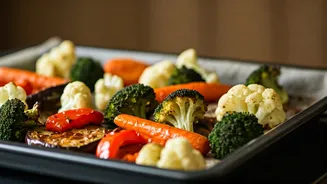
It dramatically cuts down on active cooking time and, most importantly, on washing up. High-heat roasting coaxes out the natural sweetness of root vegetables, caramelising their edges while keeping the insides tender. This isn't just about saving time; it's about elevating simple ingredients into something deeply satisfying with very little effort.
Choose Your Root Vegetables
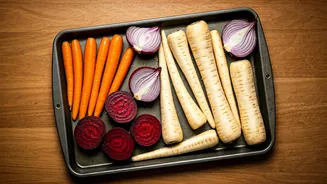
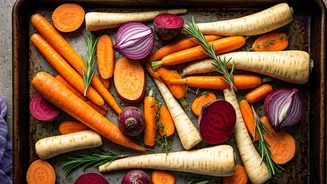
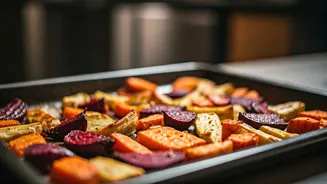
While most root vegetables work well, the key is knowing their different cooking times. Hardy vegetables like potatoes, sweet potatoes, carrots, and beetroot take longer to cook. Softer options like parsnips, onions, and turnips cook a bit faster. You can absolutely mix them, but you’ll need to stagger them or cut the harder vegetables smaller. A classic combination is carrots, potatoes (aloo), and onions (pyaaz). For more colour and nutrition, add sweet potatoes (shakarkandi) and beetroot (chukandar). Don't be afraid to throw in a head of garlic, cloves left whole in their skin, which will become sweet and creamy in the oven.
The Art of the Chop
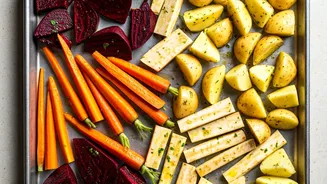
This is the most critical step for even cooking. If your pieces are all different sizes, you'll end up with a mix of burnt bits and raw chunks. Aim for uniform, bite-sized pieces, around 1 to 1.5 inches. This consistency ensures everything roasts at the same rate. For very dense vegetables like potatoes or beetroot, you might want to cut them slightly smaller than softer ones like onions. If you're short on time, remember this rule: smaller pieces cook faster. Taking five extra minutes to chop everything evenly will pay off with perfectly cooked vegetables every single time.
Don't Skimp on the Oil
Oil is not just for preventing sticking; it's a conductor of heat that helps the vegetables brown and get crispy. Don't just drizzle it over the top. The best method is to place all your chopped vegetables in a large bowl, add the oil, and toss thoroughly with your hands or a large spoon until every single piece is lightly coated. A neutral oil with a high smoke point, like sunflower or canola oil, is perfect. Olive oil also works beautifully for flavour. You need enough to coat everything but not so much that the vegetables are swimming in it—a tablespoon or two for a full sheet pan is a good starting point.
Seasoning Is Everything
Salt and pepper are essential, but don't stop there. This is your chance to add layers of flavour. A simple mix of salt, black pepper, garlic powder, and paprika is a fantastic all-purpose blend. For a more Indian-inspired flavour, try a sprinkle of turmeric (haldi), cumin powder (jeera), and a pinch of garam masala towards the end of cooking. Dried herbs like rosemary, thyme, or oregano are robust enough to withstand the high heat of the oven and pair beautifully with root vegetables. Add your spices along with the oil and toss well to ensure even distribution before they hit the pan.
The Roasting Rules
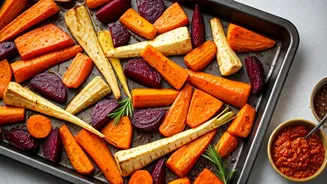
Two rules govern perfect roasting: high heat and enough space. Preheat your oven to 200-220°C (400-425°F). This high temperature is what creates that desirable crispy exterior. The second rule is arguably more important: do not overcrowd the pan. Vegetables release steam as they cook. If they're packed too tightly, they will steam each other instead of roasting, resulting in a soggy, disappointing pile. Use a large, rimmed baking sheet and spread the vegetables in a single, even layer. If you have too many vegetables for one pan, use two. It’s better to wash an extra pan than to end up with mushy vegetables.
Turn It Into a Full Meal
Roasted vegetables are a brilliant side dish, but they can easily become the star of the show. To make it a complete meal, add a source of protein. Chunks of paneer, pre-cooked chickpeas, or even sturdy sausages can be added to the pan. Add the chickpeas halfway through cooking so they don't dry out. Paneer can be added in the last 10-15 minutes. Once roasted, you can serve them over a bed of quinoa, toss them into a salad with a zesty lemon dressing, or top with a fried egg for a quick and hearty dinner.