






Unearthing Your Hidden Treasures
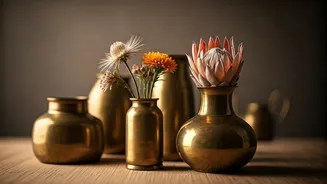
Before you can begin, you need to 'shop' your own home. Look for those pieces that have fallen out of daily use. A traditional 'lota' (water pot), a set of old brass tumblers, or even a small 'para' (a vessel once used for measuring rice) can make for a unique
and character-filled vase. The ideal candidates are those with a pleasing shape and a size that's proportionate to where you might display them—a side table, a bookshelf, or a dining table. Don't worry about tarnish or grime; that's part of the transformation. The beauty of this project lies in giving a new life to an object that already has a story. Each dent and imperfection is a chapter in your family's history, now ready for its next one.
The Gentle Art of Polishing
The key to making old brass shine is gentle but effective cleaning. For heavy tarnish, you can create a simple, natural paste using equal parts salt and flour with enough white vinegar to form a thick consistency. Apply the paste to the vessel, letting it sit for up to an hour before rinsing with warm water and buffing dry with a soft cloth. For lighter cleaning, a paste of lemon juice and baking soda works wonders. Rub it on, let it sit for a few minutes, then rinse and dry. While commercial brass polishes are effective, they can sometimes be harsh on older, more delicate pieces. A word of caution: some antique brass has a desirable patina that has developed over decades. If you value this aged look, you may want to skip the heavy polishing and simply clean the vessel with mild soap and water to preserve its character.
Choosing the Perfect Blooms
The warm, golden glow of brass provides a beautiful backdrop for a wide variety of flowers. For a classic, vibrant look, you can’t go wrong with marigolds ('genda phool'). Their bright orange and yellow hues are a traditional and stunning complement to brass. For a more modern and contrasting aesthetic, consider jewel-toned flowers like deep purple irises, rich red roses, or bright pink carnations. The cool tones will pop against the warm metal. Delicate white flowers, such as jasmine, tuberose ('rajnigandha'), or baby's breath, can create an elegant and sophisticated arrangement. Don't forget foliage! A few sprigs of eucalyptus or even simple green leaves from your garden can add texture and a fresh, organic feel to your arrangement, making the brass and blooms stand out even more.
Arranging Flowers Like a Pro
Many traditional brass vessels, like a lota, have a wide mouth, which can make arranging flowers a bit tricky as stems tend to splay outwards. There are simple solutions to this. The easiest trick is to create a grid over the mouth of the vase using clear floral tape. This will give you a structure to hold your stems in place. Another option is to use a 'kenzan' or a floral frog—a small, heavy base with spikes that sits at the bottom of the vase and holds stems firmly upright. If you don't have these, you can even place a smaller glass jar inside the brass vessel to hold the water and flowers more securely. Start by creating a base with your foliage, then add your main 'focal' flowers, and finally fill in any gaps with smaller 'filler' flowers.
Styling Your New Accent Piece
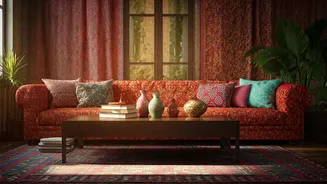
Once your vase is ready, it's time to place it. A single brass vase with a simple arrangement can be a powerful statement piece on a minimalist coffee table or a bedside stand. You can also create a beautiful vignette by grouping your new vase with other objects. Try grouping three items of varying heights—perhaps your brass vase, a stack of books, and a small decorative bowl. This creates visual interest. Don't be afraid to mix metals and textures. A polished brass vase can look stunning next to a rustic ceramic pot or a sleek silver photo frame. The contrast between traditional Indian brass and contemporary decor creates a layered, personal look that feels both curated and deeply authentic.