






Monitor Conditions Beyond the Forecast
Relying on a simple weather forecast isn't enough, especially during India's dynamic monsoon season. It’s crucial to use reliable weather apps to monitor changing conditions in real-time. [3, 22] Apps from the India Meteorological Department (IMD) like
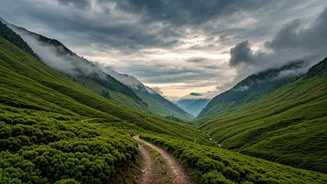
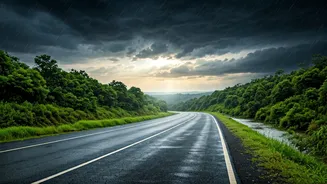
Mausam, as well as others like AccuWeather and Windy, provide detailed updates on rainfall, wind speed, and severe weather alerts. [3, 14, 32] For road trips, particularly in hilly regions like Himachal Pradesh or the Western Ghats, tracking the weather along your entire route is essential, as conditions can change rapidly and lead to landslides or blockages. [3, 16, 26]
Embrace Flexible Bookings and Itineraries
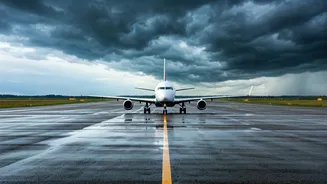
The key to stress-free travel in unpredictable weather is flexibility. Avoid packing your schedule too tightly; instead, build in buffer days. [6] This is especially important during the monsoon, when flight and train delays are common due to poor visibility or flooded tracks. [3] Opt for hotels and airlines that offer flexible cancellation or rescheduling policies. [16] This allows you to adapt your plans if a destination becomes unsafe or inaccessible. Having a list of potential indoor activities, such as museums, cafes, or local markets, can save a day that might otherwise be washed out. [7, 13]
Pack Smart, Not More
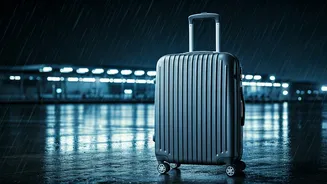
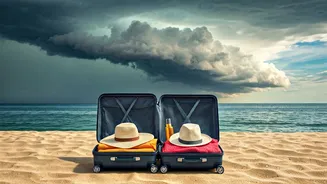
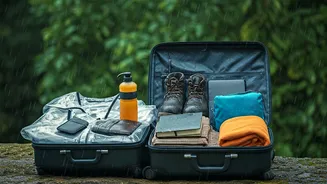
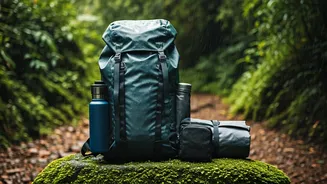
The secret to an all-weather suitcase is layering with versatile, quick-drying fabrics. [4] Instead of bulky woollens, think in terms of a base layer (like a cotton t-shirt), a mid-layer for insulation (like a fleece jacket), and a waterproof outer shell. [11] Synthetic fabrics and blends are preferable to cotton and denim, which take a long time to dry in humid conditions. [16, 23] Essential items for an Indian monsoon trip include a reliable raincoat or poncho, waterproof footwear with good grip, and a waterproof cover for your backpack. [5, 13, 23] Don’t forget ziplock bags or waterproof pouches to protect your electronics and important documents. [3, 16]
Prioritise Health and Safety
The monsoon season can increase health risks. It's wise to be cautious about street food, especially items that may have been exposed to rainwater or are uncooked. [3, 13] Stick to bottled or boiled water to avoid waterborne diseases. [13] A basic first-aid kit with essentials like antiseptic wipes, bandages, anti-diarrhoeals, and any personal medications is a must-have. [5] Mosquitoes are also more prevalent during this season, so carrying a reliable insect repellent is crucial to protect against illnesses like dengue and malaria, particularly in lush, rural areas. [8]
Secure the Right Travel Insurance
Travel insurance is a critical safety net that provides financial protection against unforeseen disruptions. [15, 18] When purchasing a policy, ensure it explicitly covers cancellations, interruptions, and delays caused by weather-related events. [10, 24, 28] This can reimburse you for non-refundable expenses on flights and hotels if your trip is cancelled or cut short due to a natural disaster or severe weather warning. [28] Given that weather-related flight delays and cancellations have become increasingly common, this coverage ensures you aren’t left out of pocket for accommodation and other costs incurred during the delay. [10, 24]