
The Golden Rule: Cultivated Over Wild
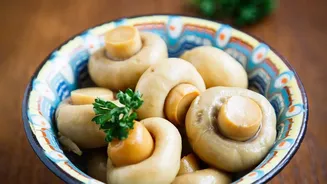
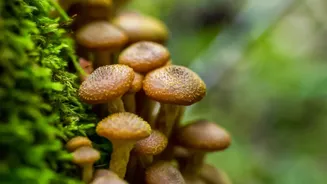
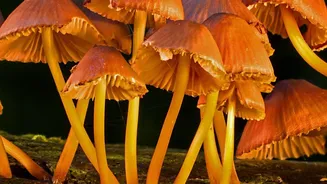
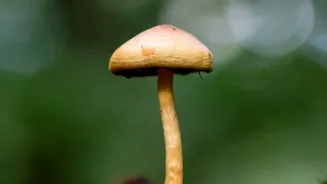
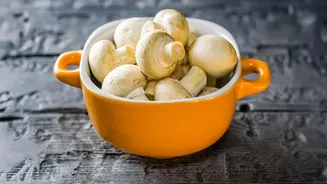
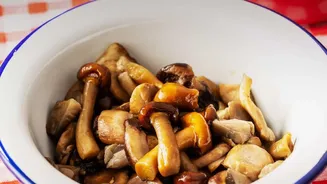
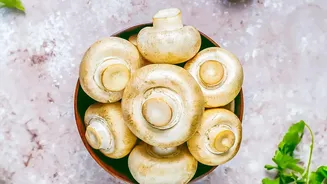
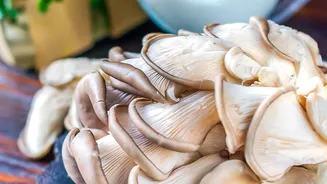
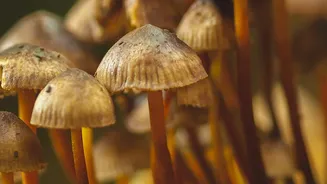
The single most important rule is to know your source. The button, cremini, and oyster mushrooms available at reliable grocery stores are commercially cultivated and generally safe. During the monsoon, wild mushrooms sprout abundantly, some of which are delicious
local delicacies like Goa's 'olmi' or Jharkhand's 'rugda'. However, many poisonous varieties look strikingly similar to edible ones. Dangerous types like the Death Cap (Amanita phalloides) can cause severe liver damage or even death, and cooking does not destroy their toxins. Unless you are with a seasoned local expert who can definitively identify what they are picking, you should never forage or consume wild mushrooms. The risk is simply too high.
Inspecting Store-Bought Mushrooms
Even when buying from a trusted vendor, a careful inspection is crucial, especially in the humid monsoon weather. Fresh, good-quality mushrooms should feel firm, plump, and dry to the touch. Look for a uniform colour and avoid any with slimy, sticky films, dark spots, or mushy patches. A sour or unpleasant odour is a clear sign of spoilage. The high moisture content in the monsoon air can accelerate bacterial and mould growth, so be extra vigilant. If the mushrooms are packed in plastic, check for excessive condensation inside, as this trapped moisture speeds up decay. Buy whole mushrooms rather than pre-sliced ones, as they have a longer shelf life.
The Right Way to Clean and Prep
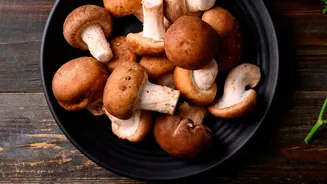
There's a common myth that you shouldn't wash mushrooms because they absorb water like a sponge. While they are porous, a quick rinse is necessary, particularly during the monsoon when they can carry more dirt. The best practice is to clean them just before you plan to cook them. Start by gently wiping away any visible dirt with a soft brush or a damp paper towel. If they need more cleaning, give them a brief rinse under cool running water and immediately pat them thoroughly dry with a clean cloth or paper towels. Avoid soaking them, as this will make them soggy and affect their texture when cooked. For varieties like shiitake, the tough stems should be removed before cooking.
Smart Storage for High Humidity
Proper storage is key to preventing mushrooms from spoiling quickly in the damp monsoon climate. The worst way to store them is in a sealed plastic bag, which traps moisture and accelerates slime formation. As soon as you get them home, it's best to transfer them to a porous paper bag. This allows the mushrooms to breathe and lets excess moisture escape. Store the open paper bag in the main compartment of your refrigerator, not the crisper drawer, which is often too humid. Kept this way, fresh mushrooms can last for up to a week. Remember to store them unwashed; only clean them right before cooking to maximize their freshness.
Cooking and Consumption Safety
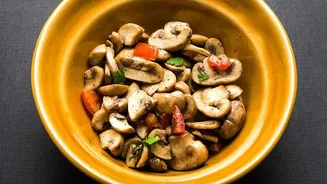
Always cook mushrooms thoroughly. Cooking helps destroy harmful microorganisms that may be present and also makes them easier to digest. Eating raw mushrooms, especially during the monsoon, is not advisable. When cooking, use medium to medium-high heat. Starting them on a low flame can cause them to release their water and become soggy instead of browning nicely. Another pro-tip is to avoid salting them too early in the cooking process. Salt draws out water, which can prevent them from searing and result in a rubbery texture. Add salt towards the end of cooking once they have developed some colour. Finally, consume cooked mushroom dishes soon after preparation and be sure to reheat any leftovers until they are steaming hot.