

Understanding Your Gut Ecology
Think of your gut as a bustling city of trillions of microorganisms, including bacteria, fungi, and viruses. This community is known as the gut microbiome or gut ecology. A healthy and diverse microbiome is essential for digestion, nutrient absorption,
a strong immune system, and even mental well-being. When the 'good' bacteria flourish, they keep the 'bad' bacteria in check, maintaining a harmonious balance that is crucial for your overall health. An imbalance, however, can lead to various issues, from digestive discomfort to wider health problems.
The Magic of Lacto-Fermentation
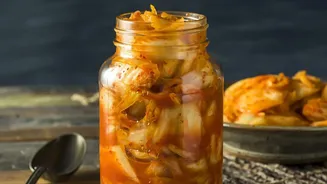
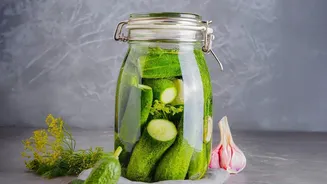
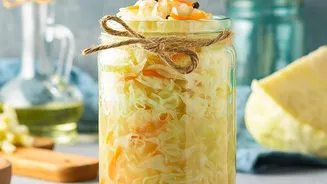
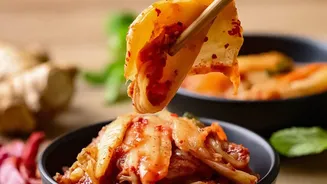
The secret to gut-friendly pickling lies in a specific method: lacto-fermentation. This isn't the common vinegar-based pickling you might find on most supermarket shelves. Instead of using vinegar to preserve vegetables, lacto-fermentation uses only salt, water, and the natural bacteria present on the vegetables themselves. During this process, beneficial Lactobacillus bacteria convert sugars in the vegetables into lactic acid. This acid not only preserves the vegetables, giving them their characteristic tangy flavour, but also creates an environment where these healthy, gut-friendly bacteria can thrive.
Why 'Oil-Free' Is Key for Probiotics
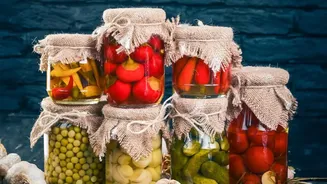
While many traditional Indian pickles use oil as a preservative, the 'oil-free' method described here refers specifically to this brine-based lacto-fermentation. The goal is different: creating live, probiotic food. Most commercial pickles, whether oil-based or vinegar-based, are pasteurised (heat-treated) to extend their shelf life and ensure stability. This process, however, kills the very live cultures that benefit your gut. By making pickles at home through fermentation without oil or vinegar and keeping them raw and unpasteurised, you ensure they are teeming with beneficial probiotics.
A Simple Guide to Start Fermenting
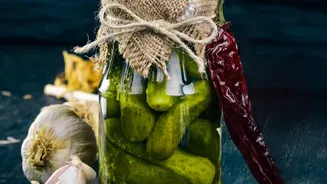
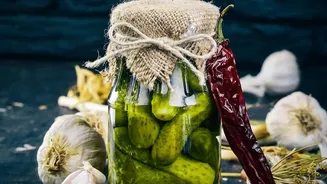
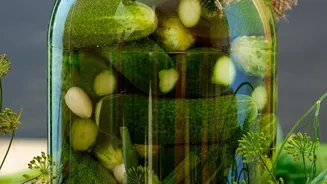
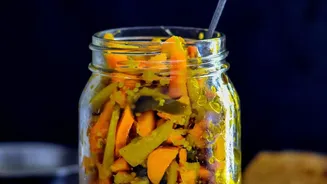
Getting started is surprisingly simple. You don't need fancy equipment, just a clean glass jar, vegetables, salt, and water. Here's a basic recipe to begin: 1. Prepare a brine by dissolving non-iodised salt in water. A good ratio to start with is about 1 to 2 tablespoons of salt per litre of filtered water. 2. Chop your chosen vegetables—carrots, cauliflower, radishes, and green beans are excellent choices for beginners—and pack them tightly into your glass jar. You can add spices like garlic, peppercorns, or dill for flavour. 3. Pour the salt brine over the vegetables until they are completely submerged. It's crucial that all vegetables stay below the brine to prevent mould. 4. Loosely cover the jar and leave it at room temperature, away from direct sunlight, for 3 to 7 days. You will start to see bubbles, which is a sign that fermentation is happening. 5. Taste your pickles daily. Once they reach a flavour you enjoy, tighten the lid and move the jar to the refrigerator. This will significantly slow the fermentation process and keep them ready to eat.
Incorporating Fermented Foods into Your Diet
The benefits of fermented foods come from regular consumption. A small serving of your homemade pickles alongside a meal can contribute positively to your gut microbiome diversity. Start slowly to allow your system to adjust. The tangy, complex flavour of these pickles can enhance salads, sandwiches, or simply be enjoyed as a side dish. They not only provide probiotics but also contain prebiotic fibre, which feeds the beneficial bacteria already present in your gut. This creates a powerful combination for supporting long-term digestive wellness naturally.