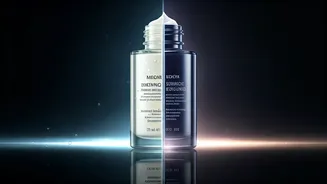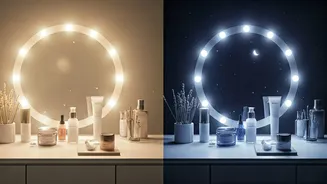









Why Two Routines? It’s All About Timing
Using the same products morning and night might seem logical, but your skin has different jobs to do throughout the day and night. Think of it this way: your morning routine is for protection, and your evening routine is for repair. During the day, your skin is a shield,
defending itself against UV rays, pollution, and other environmental stressors. At night, your skin switches into recovery mode. While you sleep, it works to repair damage, regenerate cells, and replenish moisture. This natural cycle, often called the skin's circadian rhythm, is why a two-pronged approach is so effective. By tailoring your products to these distinct phases, you give your skin exactly what it needs, when it needs it.
The AM Routine: Your Daily Armour
A morning skincare routine should be focused on preparing your skin for the day ahead. It's all about hydration and, most importantly, protection. While you can have many steps, the non-negotiables are cleansing, moisturizing, and applying sunscreen. A gentle cleanse removes any oil and sweat that has built up overnight. This is followed by a serum, often containing an antioxidant like Vitamin C, which helps protect against environmental damage and brightens the skin. Next comes a moisturizer to hydrate and create a smooth base. This step is crucial as it locks in moisture your skin might have lost overnight.
The Undisputed Star: Sunscreen
If you only do one thing for your skin in the morning, make it sunscreen. It is the single most critical step in your AM routine. Daily application of a broad-spectrum sunscreen with an SPF of 30 or higher is your best defense against premature aging, hyperpigmentation, and skin cancer. Sunscreen should always be the very last step in your skincare routine, applied after your moisturizer and about 15 to 30 minutes before you head outside. This ensures it forms an effective, undiluted shield on your skin's surface.
The PM Routine: Rest and Repair
Your evening routine is your opportunity to cleanse away the day and use more intensive treatments. At night, your skin is most receptive to active ingredients that target specific concerns like fine lines, dark spots, or breakouts. A thorough cleanse is essential, and many people prefer a “double cleanse”—starting with an oil-based cleanser to dissolve makeup and sunscreen, followed by a water-based cleanser to wash everything away. This is the time to apply treatment serums with ingredients like retinoids or exfoliating acids (such as AHAs and BHAs), which can make skin sensitive to the sun and are best used at night. These powerful ingredients help accelerate cell turnover and boost collagen production.
Locking It All In: Nighttime Moisturization
After your treatments, the final step is a nourishing moisturizer. Skin tends to lose more moisture at night, a process known as transepidermal water loss. A richer, more hydrating night cream helps counteract this, sealing in your treatment serums and strengthening your skin's barrier while you sleep. Ingredients like ceramides, hyaluronic acid, and peptides are excellent for nighttime repair. Waking up with hydrated, plump skin starts with giving it the moisture it needs before bed.