

Marvel at the Iconic Coastline
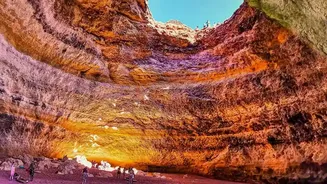
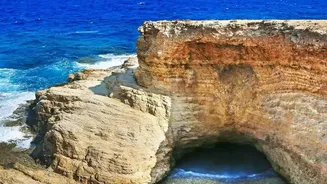
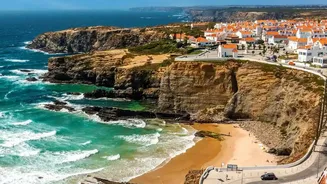
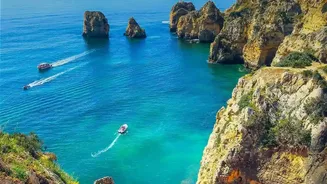
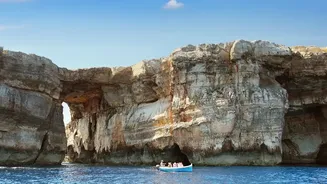
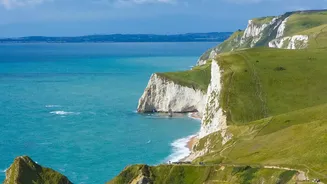
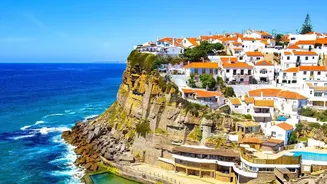
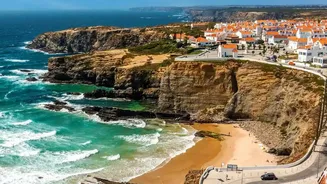
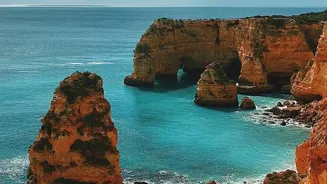
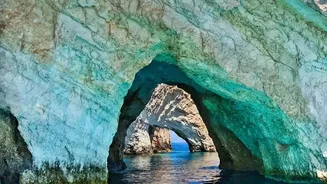
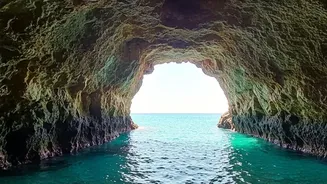
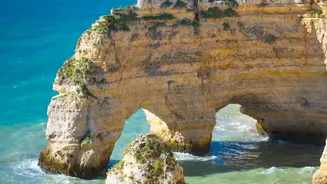
The Algarve's coastline is a geological masterpiece, sculpted by the Atlantic over millennia. The most famous stretch lies between Lagos and Albufeira, where you'll find the legendary Ponta da Piedade. Here, golden cliffs have been eroded into a stunning
collection of sea stacks, grottoes, and natural arches. You can explore this dramatic landscape via clifftop boardwalks or take a boat tour from Lagos to navigate through the arches and into hidden caves. Further east, the world-renowned Benagil Cave, with its distinctive circular skylight, is another essential stop, though access is by water via kayak, SUP, or guided boat tour. Don't overlook other beautiful formations like the Arco de Albandeira, a perfect sea arch viewable from the shore.
Hike the Seven Hanging Valleys Trail
For one of the most scenic coastal walks in Europe, tackle the Seven Hanging Valleys Trail. This 5.7-kilometre (one-way) path runs along the clifftops from Praia da Marinha to Praia de Vale Centeanes. The trail gets its name from the series of small valleys that end abruptly at the cliff edge, a result of the sea eroding the coastline faster than the streams could carve their way down. The hike is moderately easy and well-marked, offering constant, breathtaking views of the turquoise ocean, sea stacks, and hidden coves, including a clifftop perspective of the Benagil Cave area. It takes about two to three hours to walk one way, and you can easily take a taxi or Uber back to your starting point. It’s a perfect way to experience the region's natural splendour up close.
Step Back in Time in Historic Towns
The Algarve is rich with history, its towns bearing the marks of Moorish rule and the Age of Discovery. Visit Silves, the former Moorish capital of the region. Its magnificent red sandstone castle is one of the best-preserved in Portugal and offers panoramic views over the town and surrounding orange groves. Another key historical hub is Lagos, a vibrant town with a charming old quarter, a 17th-century fort, and a history deeply connected to Portugal's maritime explorations. For a quieter, more traditional atmosphere, head east to Tavira. Situated on the Gilão River, this picturesque town features a Roman bridge, castle ruins with a garden, and dozens of churches set amongst cobbled streets.
Savour the Flavours of the Sea
A trip to the Algarve is incomplete without indulging in its culinary delights, particularly its fresh seafood. The signature dish of the region is the Cataplana de Marisco. Named after the clam-shaped copper pan it's cooked in, this flavourful stew typically features a mix of fish, prawns, and clams steamed with onions, peppers, tomatoes, white wine, and herbs. The pan is brought to the table and opened in front of you, releasing a fragrant cloud of steam. It’s a dish made for sharing, best enjoyed with crusty bread to soak up the delicious broth. Beyond the cataplana, look for restaurants serving freshly grilled fish (rodizio de peixe) or try a hearty surf-and-turf of clams and pork.
Catch a Wave on the West Coast
For those seeking more adventure, the Algarve's rugged west coast is a surfing paradise. This coastline, largely protected within the Costa Vicentina Natural Park, offers a wilder, more dramatic landscape than the southern shores. The region benefits from consistent Atlantic swells, making it a year-round destination for surfers of all levels. Beaches like Arrifana and Amado are popular with both surf schools and experienced riders. Arrifana is particularly scenic, sheltered by high cliffs that protect it from the strong northern winds. Autumn is often considered the best season, with reliable swells, warm water, and fewer crowds. Whether you're a seasoned pro or a complete beginner, you'll find a wave and a view to match.