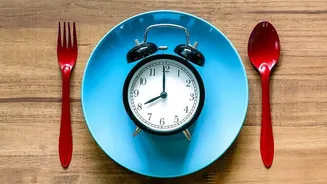







The Body’s Clock vs. The Time Clock
Humans are naturally diurnal, meaning our bodies are designed to be active during the day and rest at night. This 24-hour cycle is known as our circadian rhythm, and it's regulated by a master clock in the brain that responds to light and darkness. This internal
clock doesn't just manage sleep; it also directs crucial metabolic processes, including hormone release, digestion, and how our body handles sugar and fat. When you work a night shift, you force your body to operate in direct opposition to this programming. The result is chronic circadian misalignment, a state linked to a higher risk of metabolic syndrome, type 2 diabetes, obesity, and cardiovascular disease. Even experienced shift workers rarely fully adapt, leaving their bodies in a constant state of internal conflict.
Why Eating at Night Disrupts Metabolism
Your digestive system and metabolic organs, like the liver and pancreas, also follow a circadian rhythm. They are primed for activity during the day when insulin sensitivity is at its peak, allowing for efficient processing of glucose. At night, as your body prepares for rest, it releases melatonin. This hormone signals your organs to wind down, slowing digestion and reducing insulin sensitivity. Eating a large meal in the middle of the night is like asking your digestive system to sprint a marathon when it's supposed to be asleep. This mistiming can lead to higher blood sugar levels because your body can't process the glucose effectively. Studies show that nighttime eating boosts glucose levels, a key risk factor for diabetes, while restricting meals to the daytime can prevent this effect.
Strategy 1: Embrace Daytime Eating
The most powerful strategy is to align your eating window with daylight hours as much as possible, even on days you work nights. Groundbreaking research has shown that shift workers who consume all their calories during the day, and fast throughout their night shift, can avoid the blood sugar spikes associated with nighttime eating. This might mean having your largest meal of the day before you go to work, even if it feels like 'dinner for breakfast'. For example, if your shift starts at 10 PM, aim to have a substantial, balanced meal around 7 PM or 8 PM. Then, during your shift, focus on hydration with water or herbal tea instead of consuming calories. This approach gives your digestive system the overnight rest it's programmed to have, supporting better metabolic health.
Strategy 2: Time-Restricted Eating (TRE)
If a full overnight fast feels too daunting, a less restrictive approach called time-restricted eating (TRE) can also be beneficial. This involves confining all your daily food intake to a specific window, typically 8 to 12 hours. For a shift worker, this might look like an eating window from 1 PM to 9 PM. By creating a consistent daily fasting period of 12-16 hours, you give your digestive system a predictable and extended break. Studies on shift workers suggest TRE can lead to modest weight loss and improvements in some cardiometabolic risk factors. The key is consistency, which helps to reinforce a stable rhythm for your body's peripheral clocks, even when your sleep schedule is irregular.
Smart Fuel for Your Shift
When you do eat, focus on high-quality, sustaining foods. Before your shift, have a balanced meal rich in lean protein (like chicken, fish, or eggs), complex carbohydrates (such as sweet potatoes or quinoa), and healthy fats (from avocado or nuts). Protein is especially important for satiety, helping you feel full longer and avoid the temptation of vending machine snacks. If you must eat during your shift, opt for small, protein-rich snacks like Greek yogurt, hard-boiled eggs, or a handful of nuts. Avoid sugary drinks and refined carbohydrates, which can cause a spike in blood sugar followed by a crash, increasing sleepiness and disrupting your energy levels.