



More Than Just a Meal
For decades, fine dining was defined by technical precision, luxurious ingredients, and impeccable service. The focus was squarely on the plate. Today, however, a significant shift is underway. Chefs are increasingly being positioned as authors and storytellers,
using their menus to convey personal journeys, cultural heritage, and creative philosophies. This evolution transforms a meal from a simple act of consumption into an immersive, narrative-driven event. The menu becomes a manuscript, and each course is a new chapter, inviting diners to connect with the food on a deeper, more emotional level.
The Chef as the Main Character
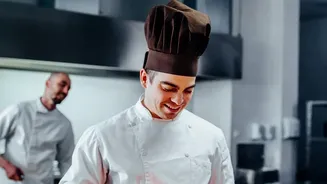
The rise of the celebrity chef has given kitchens a face and a personality, and their backstories are now a crucial part of the restaurant's brand. Whether it's a dish inspired by a grandmother's recipe, an ingredient discovered during travels, or a technique perfected over years of training, these personal anecdotes add a layer of authenticity and meaning to the dining experience. This trend is prominent in India, where chefs like Garima Arora and Vanika Choudhary weave their personal histories and explorations of regional ingredients into their menus, offering diners a taste of their journey. Chef Manish Mehrotra, for example, finds inspiration in simple, nostalgic flavours from his childhood and roadside dhabas, translating those memories into innovative dishes.
A Story in Every Bite
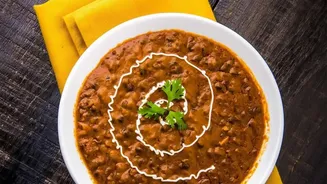
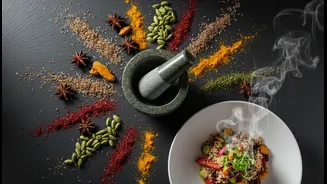
This narrative approach extends beyond the chef's biography. It shapes every aspect of the restaurant, from the decor and music to the way staff describe a dish. A menu might be structured like a story, guiding the diner through different themes or memories. The presentation of a dish can be a form of visual storytelling, with colours and arrangements designed to evoke a specific mood or place. At some restaurants, the narrative is explicit, with waiters sharing anecdotes about the origin of the produce or the inspiration for the recipe as they serve each course, making the experience more meaningful.
Authenticity or Marketing Tactic?
With any trend comes skepticism. Critics question whether this focus on storytelling is always genuine or sometimes just a sophisticated marketing gimmick designed to justify high prices. A compelling narrative can make a restaurant stand out in a competitive market, creating a unique identity that is hard to replicate. A study even found that storytelling can increase the perceived authenticity and meaningfulness of the food, influencing a diner's intention to eat it. However, the line between authentic expression and a manufactured brand story can be thin. The story can't just be for the guest; it's also a powerful tool in the kitchen to inspire staff and instill a deeper respect for the ingredients and techniques.
Does the Food Still Matter?
Ultimately, no matter how compelling the story is, the food must deliver. A fascinating narrative can enhance a great dish, but it cannot save a mediocre one. The new fine dining isn't about replacing skill with storytelling but about blending them. The story provides context and emotional resonance, while the food provides the sensory payoff. When done well, this combination elevates the entire experience, creating a meal that is not just eaten, but felt and remembered long after the plates are cleared. The narrative becomes the appetiser that prepares the palate for a richer, more engaging main course.