






Know Your Monsoon: Wet vs. Dry Zones
The first step to smart packing is knowing that India's monsoon doesn't drench the entire country equally. The season, broadly from June to September, creates distinct wet and dry zones. The Western Ghats (covering parts of Kerala, Karnataka, Goa, and Maharashtra),
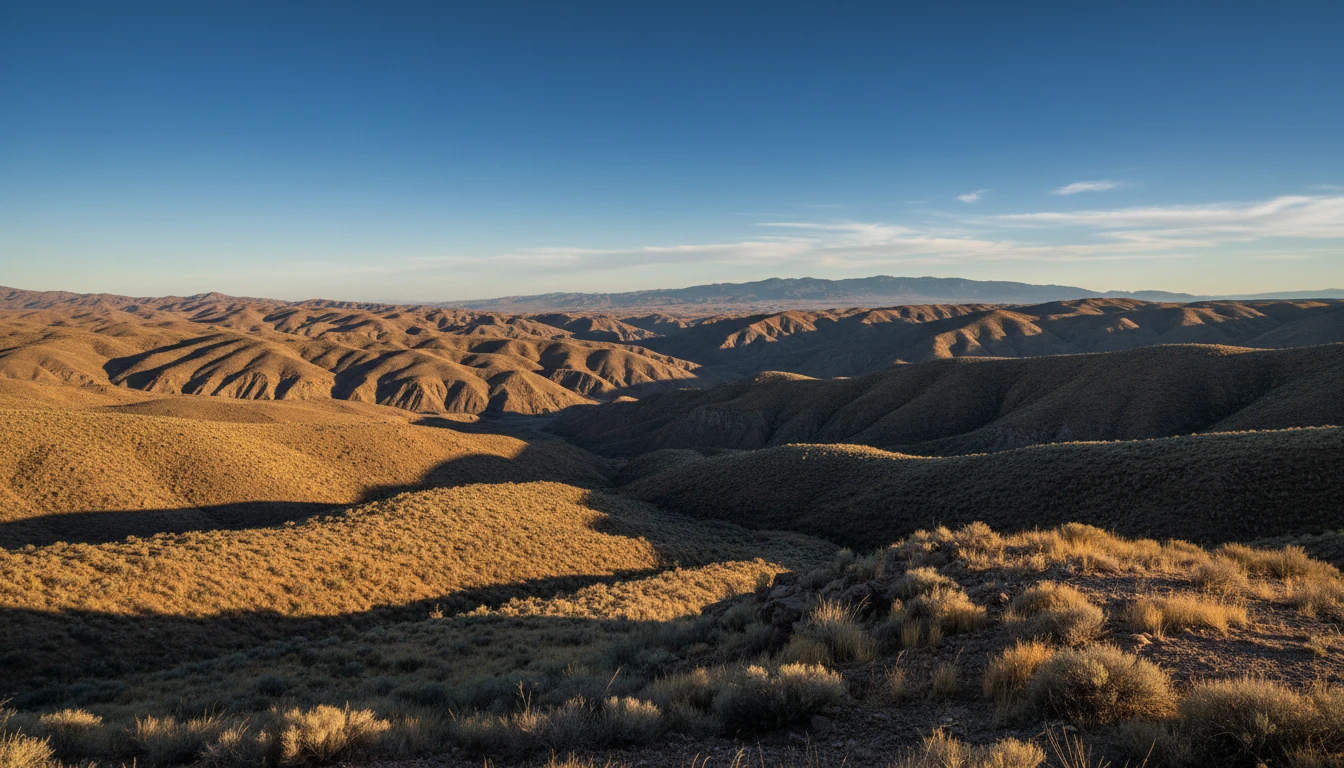
along with Northeast India, receive some of the heaviest rainfall. In contrast, regions in the rain shadow of these mountains, like parts of Tamil Nadu and the central Deccan plateau, remain significantly drier. High-altitude areas like Ladakh are cold, arid deserts that see very little rain at all. Understanding where your destination falls on this spectrum helps you decide whether to pack for constant downpours or occasional showers, preventing you from overpacking or under-preparing.
The Right Fabrics: Your First Line of Defence
When it comes to monsoon clothing, fabric choice is everything. Leave your favourite cotton kurtas and denim jeans at home; they absorb moisture like a sponge and can take days to dry in high humidity. Your best allies are quick-drying synthetic fabrics. Look for clothing made from polyester, nylon, rayon, and even lightweight linen blends. These materials wick moisture away from your skin, dry within hours, and are often lightweight and easy to pack. Aim for a small, versatile wardrobe: a few quick-dry T-shirts, a pair of synthetic trousers, and perhaps a dress or skirt in a rayon blend will serve you well for most situations. This approach allows you to wash items in your hotel sink and have them ready by morning.
Essential Outerwear: Jacket vs. Umbrella
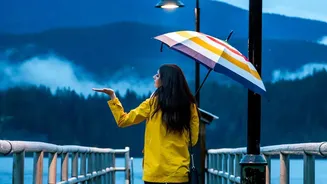
A reliable waterproof layer is non-negotiable. While a compact umbrella is useful for city dashes, a good rain jacket or poncho is far more practical, especially in windy coastal or hill stations where umbrellas become unreliable. A lightweight, breathable, and waterproof jacket will keep you dry without making you feel sticky in the humidity. It also leaves your hands free, which is crucial when navigating crowded streets or slippery trails. For destinations with colder nights, like hill stations, packing a thin fleece or woollen layer to wear underneath your rain jacket is a smart move for staying warm after a downpour.
Footwear: Navigating Waterlogged Streets
Your shoes can make or break a monsoon trip. Leather shoes will be ruined, and canvas sneakers will get soaked and lead to discomfort and potential fungal infections. The best options are waterproof or water-resistant footwear with excellent grip. Rubber sandals, floaters, Crocs-style clogs, or PVC slides are perfect for walking through puddles and flooded streets, as they dry quickly and are easy to clean. For more adventurous travel involving treks, invest in waterproof hiking shoes with anti-skid soles. Always pack a second, completely dry pair of shoes or flip-flops for indoor use at your hotel. No one enjoys putting on damp shoes in the morning.
Protecting Your Gear: The Art of Waterproofing
Rain has a way of getting into everything, especially electronics and important documents. A waterproof backpack or a reliable rain cover for your existing bag is a great start. For an extra layer of security, use dry bags or even simple zip-lock pouches to compartmentalise your belongings. Keep your phone, camera, passport, and wallet in individual waterproof pouches. It’s also wise to pack a microfibre towel, which dries much faster than traditional cotton towels and is useful for wiping down yourself or your gear after an unexpected shower. Finally, throwing a few silica gel packets into your luggage can help absorb excess moisture and combat the pervasive humidity.