






Blade Runner (1982): The Existential Detective
Is Deckard a human or a Replicant? For decades, that question has fueled debate among fans of Ridley Scott's neo-noir masterpiece. Set in a rain-drenched 2019 Los Angeles, the film follows a burnt-out detective tasked with 'retiring' bioengineered androids.
But the film's true power isn't in its action scenes; it's in the profound, melancholic atmosphere and the philosophical questions it poses about memory, empathy, and what it truly means to be human. The world is dense and lived-in, a stunning vision of a future that feels both alien and uncomfortably plausible. The mind-bending aspect isn't a single last-minute twist, but a slow-burning uncertainty that seeps into the very fabric of the film, forcing the audience to question the nature of its own protagonist.
2001: A Space Odyssey (1968): The Cosmic Journey
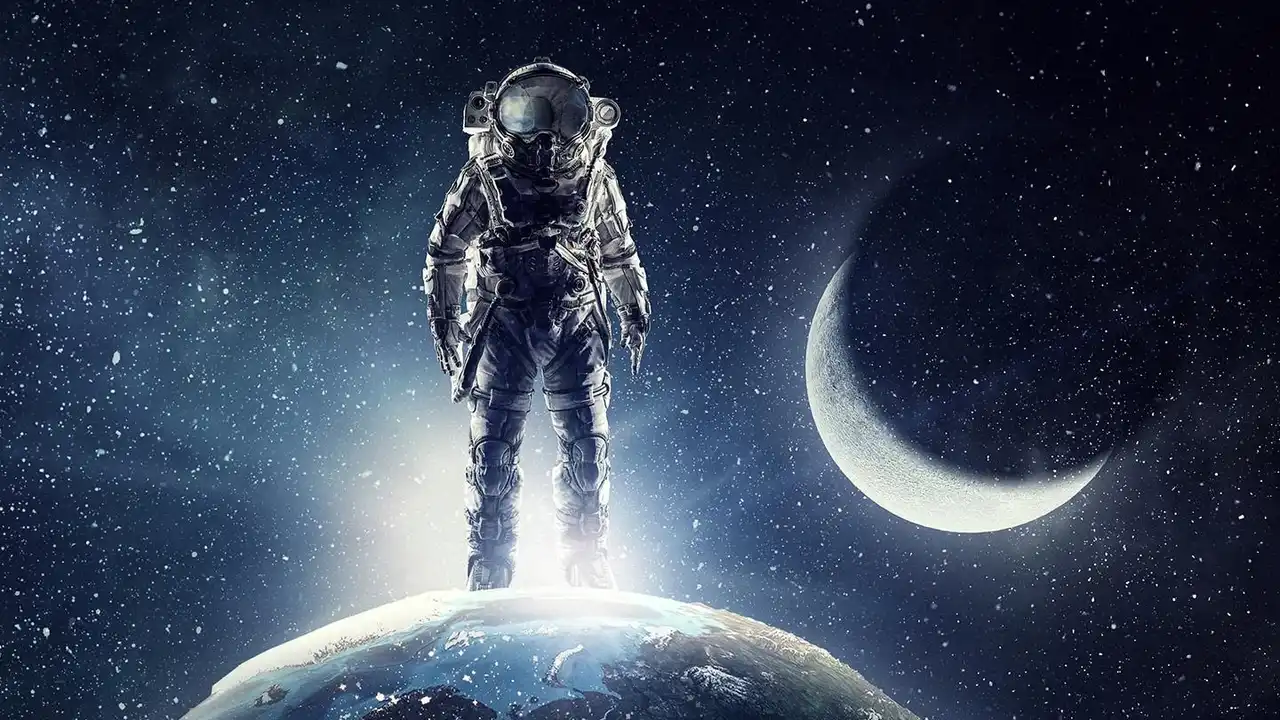
Stanley Kubrick’s magnum opus is less a narrative and more a cinematic pilgrimage. It’s a film that defies easy explanation, trading conventional dialogue and plot for breathtaking visuals and abstract concepts. The story charts humanity's evolution, from our primate ancestors to a space-faring civilization, all under the watchful eye of a mysterious black monolith. The film's most memorable sequence, the psychedelic 'Star Gate' journey, is a sensory overload that simulates a trip beyond human understanding. There is no neat twist ending, but the final moments, presenting the enigmatic 'Star Child', leave audiences with a sense of awe and a universe of questions about our place in the cosmos. It bends the mind not with a plot device, but by challenging the very limits of cinematic storytelling.
Planet of the Apes (1968): The Ultimate Reveal
For sheer, jaw-dropping impact, few endings in movie history can touch the final scene of 'Planet of the Apes'. The premise is high-concept sci-fi: an astronaut, Taylor, crash-lands on a strange planet where intelligent apes are the dominant species and humans are mute savages. The entire film is a tense and thrilling survival story, but it's the last two minutes that cemented its place in pop culture history. After escaping the ape city, Taylor rides along a desolate beach, only to discover the half-buried ruins of the Statue of Liberty. His horrified realization that he has been on a post-apocalyptic Earth all along is a gut punch that recontextualizes everything he—and the audience—has just witnessed. It’s a twist so powerful, it remains iconic over half a century later.
The Matrix (1999): The Red Pill Reality
What if your entire world was a lie? In 1999, the Wachowskis posed that question and blew the doors off the new millennium. The film presented a reality so compelling that it had audiences questioning their own. Computer hacker Neo discovers that his life is an elaborate computer simulation, the Matrix, designed by intelligent machines to keep humanity docile. The film's central twist isn't just a reveal; it's an invitation to a new way of thinking, blending philosophy, mythology, and kung fu into a revolutionary package. Its 'bullet time' visual effects changed action filmmaking forever, but its enduring legacy is the mind-bending concept that made millions wonder if they should have taken the red pill.
Inception (2010): The Dream Within a Dream
While a more modern entry, Christopher Nolan's 'Inception' instantly earned its place in the mind-bending hall of fame. The film centers on a team of thieves who don't steal objects, but ideas, by entering people's subconscious through shared dreaming. The genius of the film is its structured complexity, with multiple layers of dreams nested within each other, each with its own rules and timeline. The narrative requires the audience's full attention as characters navigate rainy cities, gravity-defying hotel corridors, and snowy mountain fortresses all at once. The film is a puzzle box that is thrilling to unlock, and its famously ambiguous final shot, a spinning top that may or may not topple, is a masterclass in leaving the audience to debate the nature of reality long after the credits roll.