





From Packets to Plates
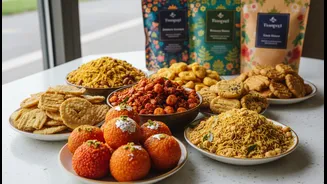
The journey of Indian food across the globe is entering a new, ambitious chapter. For decades, the export of Indian cuisine was defined by local curry houses or the colourful packets of snacks and sweets found in diaspora-focused grocery stores. Now,
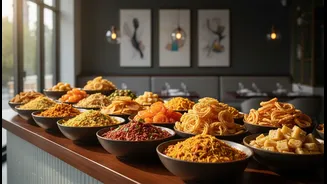
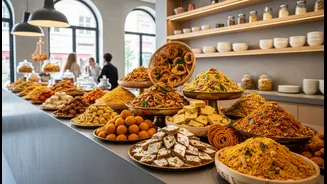
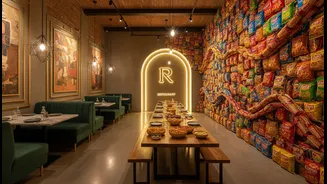
the very brands that perfected the art of the packaged snack are stepping into the global dining arena. Leading this charge is Haldiram's, a household name in India since 1937, which has evolved from a small shop in Bikaner to a food empire. The brand recently opened its first full-service restaurant in the UK, a 120-seat establishment in London's bustling Leicester Square. This move signals a significant strategic shift: from being a product on a shelf to curating a complete dining experience. It's a transition from selling the taste of India in a packet to presenting it on a plate, with all the nuance and atmosphere that entails.
A New European Food Frontier
Haldiram's London debut is not an isolated event but the spearhead of a larger European ambition. Bolstered by investment from Singapore's state-backed fund Temasek, the company is actively planning further expansion. Rhea Agarwal, a member of the founding family who leads European business development, has confirmed that markets like Germany, France, and Portugal are "definitely on the cards." The logic is simple: a large and growing Indian diaspora provides a ready-made customer base, but the ultimate goal is to appeal to a broader audience. This trend isn't limited to one brand. Other legacy names like Moti Mahal, the celebrated inventors of tandoori cuisine, have also announced plans to enter the European market. This represents a newfound confidence among Indian brands to move beyond their traditional markets and establish a physical, experiential presence in some of the world's most competitive culinary capitals.
The Authenticity Tightrope
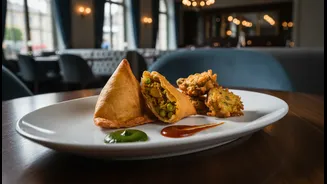
The central challenge for these brands is a classic one: how to adapt to local tastes without sacrificing the soul of the cuisine. Indians are often fiercely protective of their food, and dishes served abroad can feel like pale imitations. The question becomes whether to dial down the spice, alter core ingredients, or change textures to suit a European palate. Chef Sameer Taneja of the Michelin-starred London restaurant Benares notes that success requires a "thoughtful balance between authenticity and local tastes." Haldiram's seems to be taking a hybrid approach. Their London menu features staunchly traditional comfort foods like choley bhature and raj kachori, dishes intended to evoke nostalgia for those familiar with the brand. At the same time, they are introducing exclusive "fusion" desserts designed specifically for the UK market, a clear nod to local preferences. This strategy attempts to honour tradition while acknowledging the new context, creating a menu that is both familiar and exciting.
Challenging the 'Curry House' Stereotype
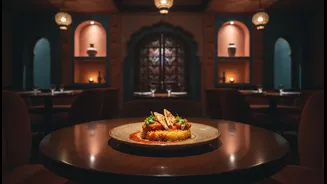
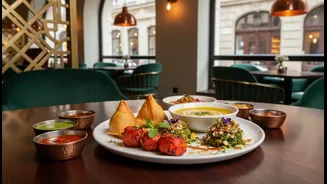
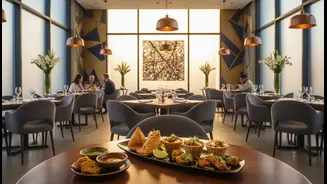
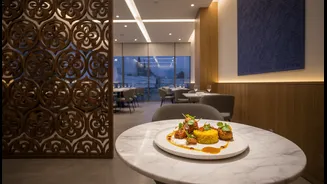
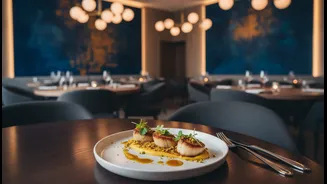
For years, the perception of Indian food in many Western countries has been shaped by a generic, often Anglicised, 'curry house' menu. These new ventures by established Indian brands offer a powerful opportunity to showcase the true diversity and regionality of Indian cuisine. By serving specific, high-quality street food and traditional dishes in a modern, 'premium casual' setting, they can re-educate the global diner. Haldiram's, for example, is taking inspiration from successful UK chains like Dishoom, which have built a reputation on delivering an authentic-feeling experience that goes far beyond a standard chicken tikka masala. The interiors of the London restaurant are described as 'quiet luxury,' blending Indian heritage with contemporary design—a far cry from the flock wallpaper of old. This evolution is about presenting Indian food not just as a takeaway option, but as a sophisticated and desirable dining experience.