



A Modern Twist on a Summer Classic
For generations, Indian households have made sharbats by boiling fruit with sugar to create a thick, sweet syrup. While delicious, this process often masks the fruit's delicate flavours and packs in unnecessary calories. Enter cold steeping. Unlike boiling,
this gentle method involves infusing fruits in cold water over several hours, typically in the refrigerator. The slow, patient extraction draws out the nuanced, authentic essence of the ingredients without the harsh bitterness that heat can produce. The result is a smoother, lighter, and more flavourful drink that tastes purely of the fruit itself.
Why Less Sugar Means More Flavour
The primary benefit of cold steeping is the dramatically reduced need for sugar. Traditional hot preparations often require a lot of sugar to balance the astringency and tannins extracted by heat. Cold water, however, is much more selective. It gently pulls out the sweet, floral, and tangy notes while leaving most of the bitter compounds behind. This means you get a beverage that is naturally sweeter and more complex. You can finally taste the true profile of the fruit—the bright tang of kokum or the sweet-tart notes of jamun—without a dominant sugary taste. It’s a healthier approach that puts the focus back on natural flavour.
The Power of Kokum
Kokum, a gem from the Western Ghats, is more than just a souring agent for curries. It is renowned for its cooling properties, making it a perfect antidote to summer heat. Traditionally used to combat dehydration and acidity, this tangy fruit is a digestive aid that can soothe the stomach. Kokum is also packed with antioxidants and contains Garcinol and hydroxycitric acid (HCA), compounds studied for their anti-inflammatory and potential weight management benefits. A cold-steeped kokum cooler offers these advantages in a pure, refreshing form.
The Goodness of Jamun
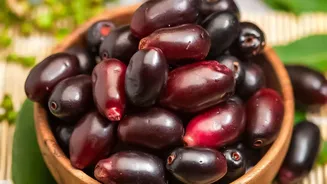
The deep purple jamun, or black plum, is a celebrated summer fruit for good reason. It is an antioxidant powerhouse, rich in Vitamin C, which helps bolster the immune system. Jamun is particularly noted in traditional medicine for its role in helping manage blood sugar levels, thanks to compounds like jamboline that may slow the conversion of starch into sugar. Furthermore, it supports heart health by providing potassium, which helps regulate blood pressure, and its fibre content aids in digestion and weight management. Cold steeping preserves these qualities in a delicious, easy-to-drink format.
Your Simple Guide to Cold Steeping
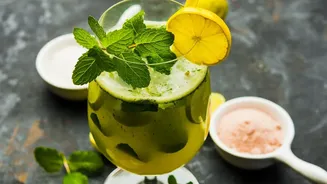
Making your own cold-steeped cooler is incredibly simple. You don’t need any special equipment—just a glass jar and some patience. For a Kokum Cooler: Take a handful of dried kokum rinds (about 8-10 pieces), rinse them, and place them in a one-litre jar of cool, filtered water. Let it steep in the refrigerator for at least 8 to 12 hours. The water will turn a beautiful ruby red. Strain and serve chilled. You can add a pinch of black salt or roasted cumin powder for a traditional savoury twist. For a Jamun Cooler: Take a cup of fresh, ripe jamuns. Wash them and remove the seeds. Lightly mash the pulp and add it to a one-litre jar of cool water. Refrigerate for 4 to 6 hours. The water will take on a vibrant purple hue and a sweet-tart flavour. Strain the pulp and serve the infused water over ice, perhaps with a sprig of fresh mint.