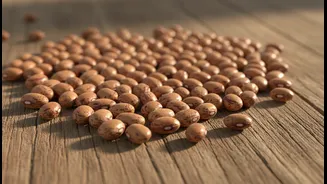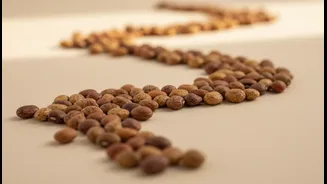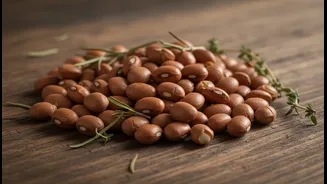

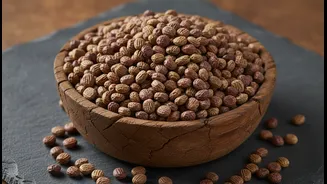
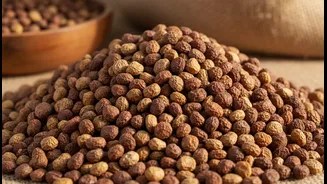
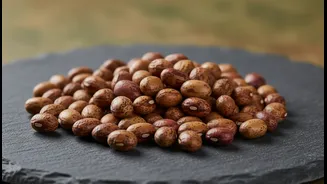


What Exactly is Horse Gram?
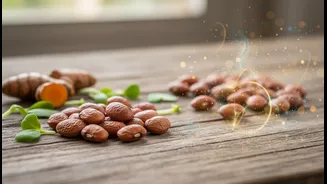
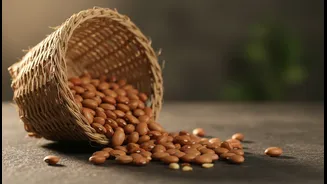
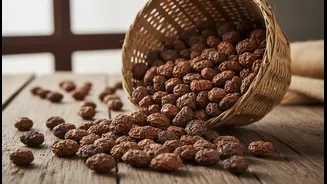
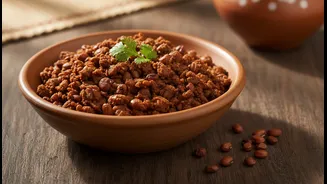
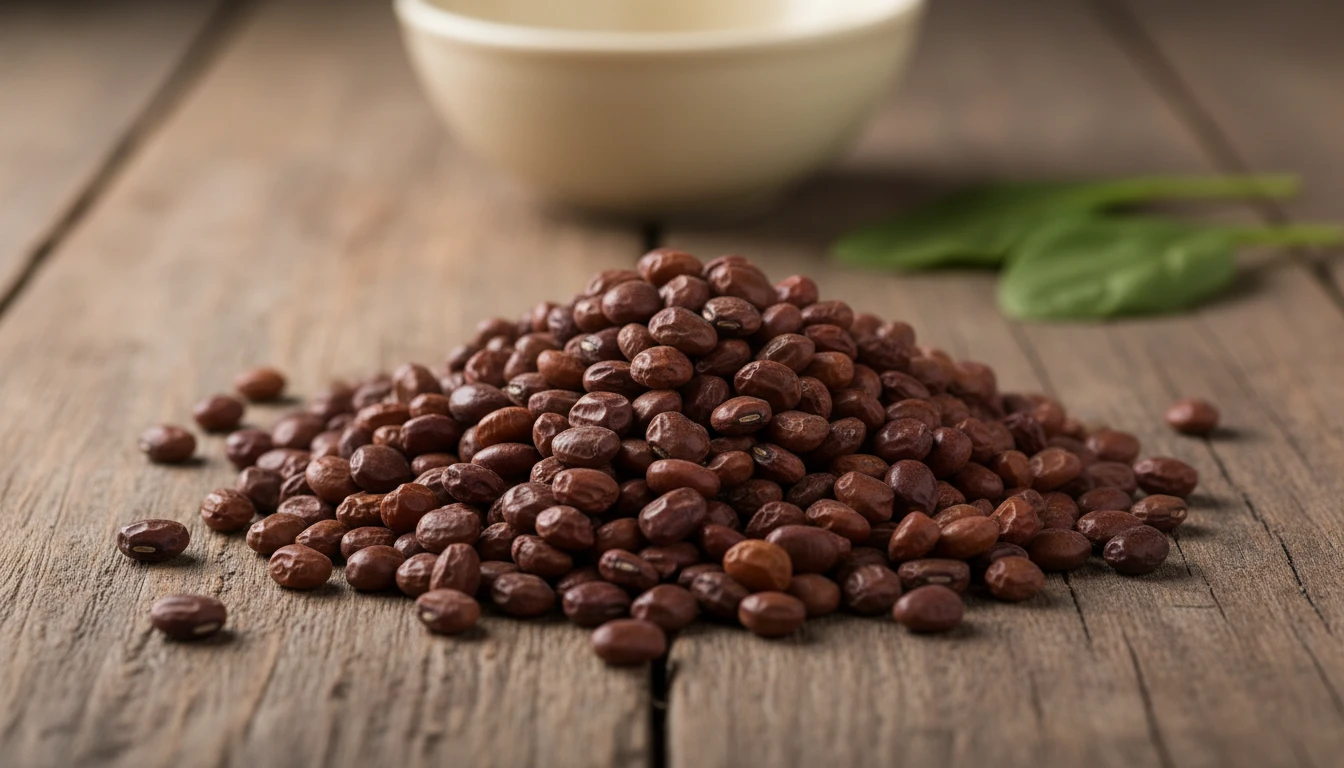
Known to many in India as kulthi dal, horse gram (Macrotyloma uniflorum) is a hardy legume that has been cultivated for centuries. It's a staple in many regional cuisines, particularly in southern India, where it's used in dishes like rasam, curries,
and soups. Traditionally, it has a reputation for being a warming food, often consumed during colder months. Far from being a new discovery, it’s a time-tested ingredient deeply woven into India's culinary and Ayurvedic traditions, valued for its resilience and nutritional profile long before it was ever branded a 'superfood'.
The So-Called Miracle Claims
The buzz around horse gram centres on several impressive health claims. The most prominent is its purported ability to combat kidney stones, a benefit rooted in traditional medicine practices that suggest it can help break down or flush out stones. It's also heavily promoted as a weight-loss aid, thanks to its potential to keep you feeling full and manage appetite. Other lauded benefits include managing blood sugar levels, improving heart health by lowering cholesterol, and even treating common ailments like coughs and colds. With a list like that, it’s easy to see why the 'miracle' label gets attached.
Separating Hype from Nutritional Reality
When we look past the hype, horse gram is, without a doubt, a nutritionally powerful food. It is an excellent source of plant-based protein and is packed with dietary fibre, which is crucial for digestive health and feeling full. It boasts more calcium than most other pulses and is rich in iron and other essential minerals. However, the evidence for its more dramatic 'miracle' claims is not as solid. Many of these benefits are based on traditional use or preliminary studies, including research on animals using highly concentrated extracts. While some rat studies have shown reductions in cholesterol and body weight, large-scale studies on humans are still lacking. This doesn’t mean the traditional knowledge is wrong, but it does mean the scientific validation is still in its early stages. Horse gram is incredibly healthy, but it's not a magic pill.
The Danger of the 'Superfood' Label
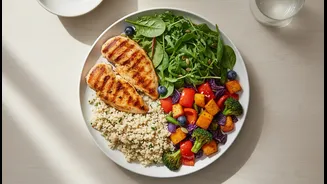
The story of horse gram is a perfect case study in the problem with 'superfoods'. The term itself is a marketing tool, not a scientific classification. It creates a 'health halo' around a single ingredient, suggesting it can single-handedly transform your health. This is misleading. True, sustainable health doesn't come from one food; it comes from an overall dietary pattern. You cannot eat poorly and expect a spoonful of horse gram powder to undo the damage. This mindset can lead to nutritional anxiety, where we're constantly chasing the next exotic, often expensive, 'miracle' while ignoring the affordable, nutritious foods already in our kitchens. A balanced diet rich in a variety of vegetables, fruits, whole grains, and pulses is far more powerful than any single 'superfood'.
A Smarter Way to Eat
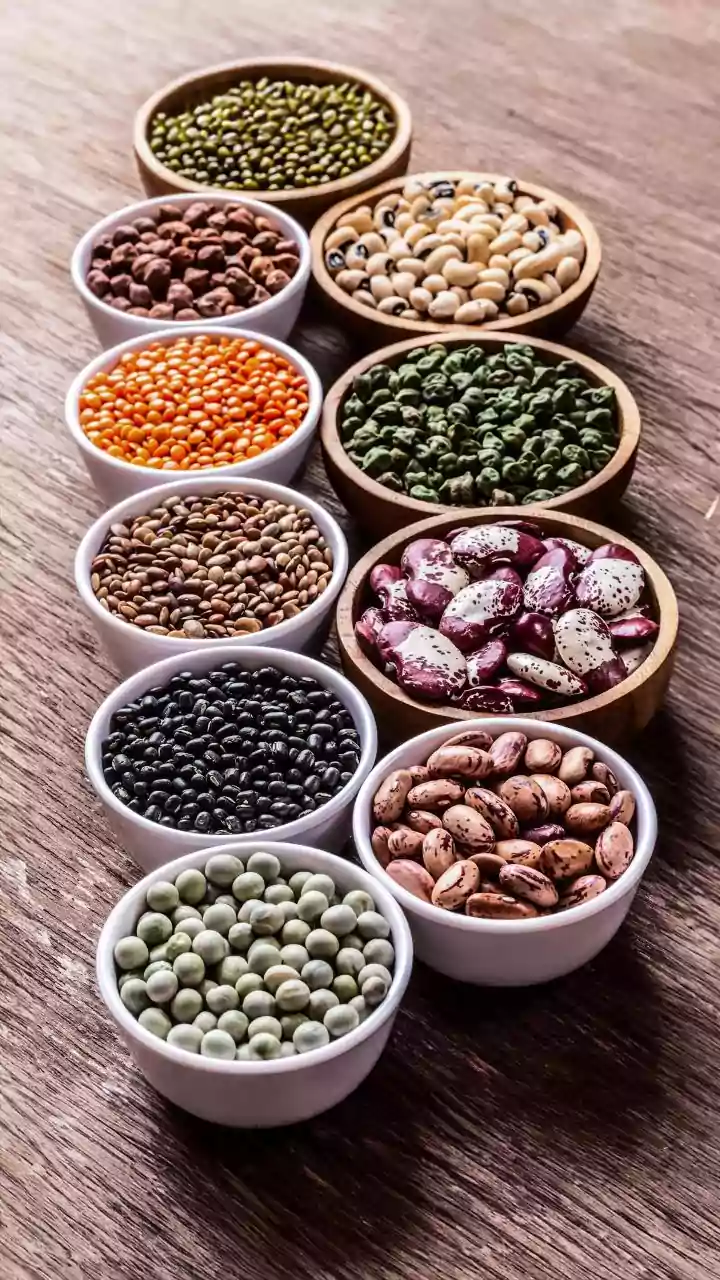
So, how should we approach foods like horse gram? The answer is with respect, not reverence. Embrace it for what it is: a fantastic, nutrient-dense legume that can be a valuable part of a healthy diet. Enjoy a hearty kulthi dal or a warming rasam. Its high protein and fibre content are genuinely beneficial for your body. But don’t expect it to cure diseases overnight. Be skeptical of any product or diet that puts one ingredient on a pedestal. Instead, focus on variety. The real magic happens when you consistently eat a wide range of whole foods. The humble spinach, the everyday dal, the seasonal guava—these are all 'super' in their own right.