


Why Humidity Matters
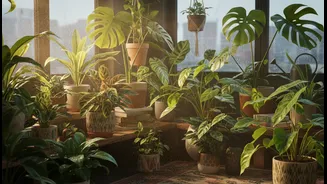
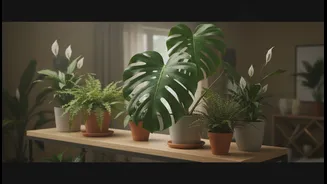
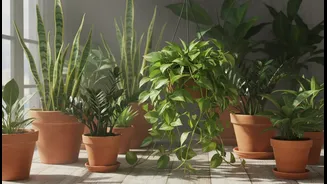
Many popular houseplants originate from tropical rainforests, where the air is consistently thick with moisture. These plants have adapted to absorb water not just through their roots, but also through their leaves. When indoor air is too dry, typically
below 40-50% relative humidity, these plants lose moisture from their leaves faster than their roots can absorb it. This can lead to tell-tale signs of stress like brown, crispy leaf tips, curling edges, and stunted growth. By increasing the humidity, you replicate their natural environment, reducing stress and encouraging lush, vibrant foliage.
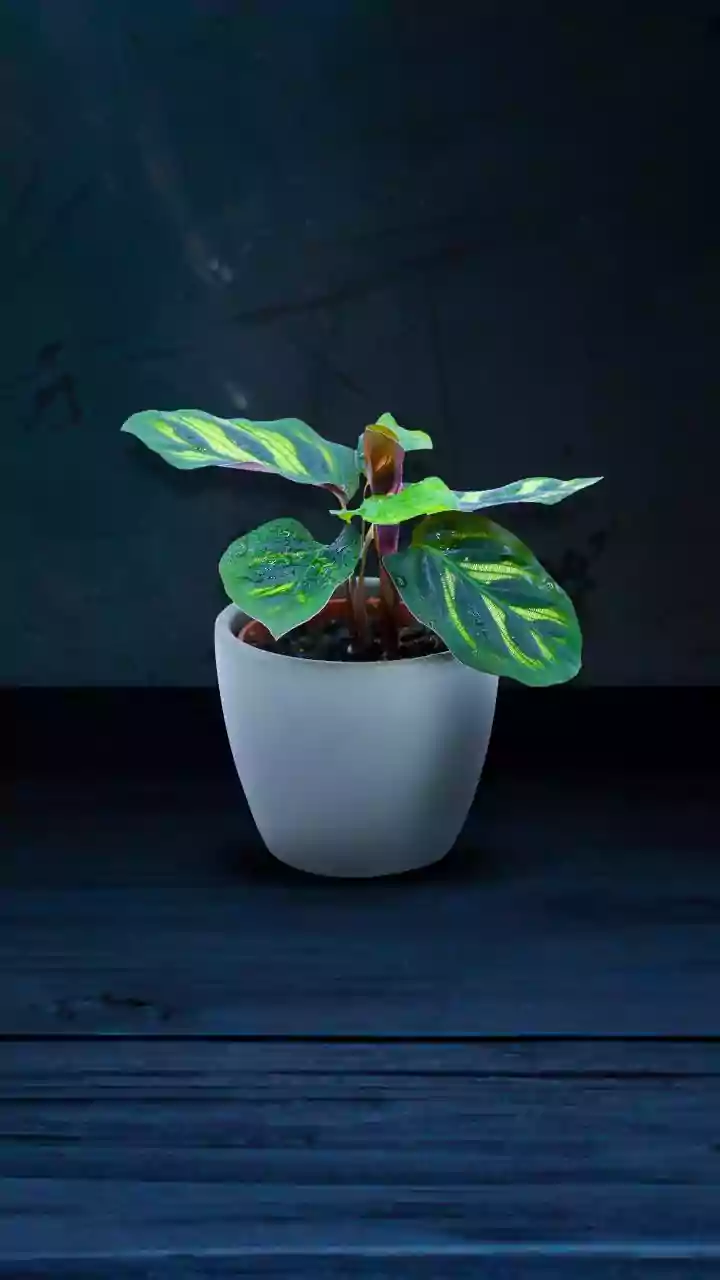
Calathea (Prayer Plant)
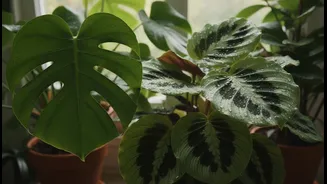
Often called Prayer Plants, Calatheas are famous for their stunning, patterned leaves that fold up at night. They are also famously fussy about their environment and serve as excellent indicators of low humidity. If the air is too dry, their delicate leaves will quickly develop brown, crispy edges and begin to curl. These plants flourish in humidity levels of 60% or higher, making them ideal candidates for a bright bathroom or a spot near a humidifier. Their dramatic foliage is a worthy reward for providing the moist air they crave.
Ferns
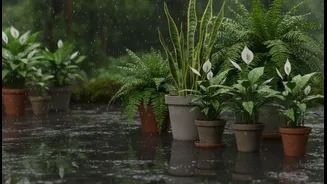
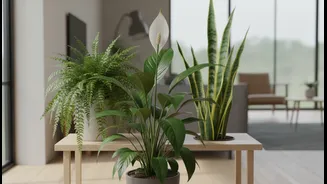
From the delicate Maidenhair to the robust Boston Fern, most ferns are synonymous with damp, shady forest floors and thrive in high humidity. In dry indoor air, their intricate fronds can quickly shrivel and drop, creating a mess. Placing them in a bathroom, where steam from showers naturally elevates moisture levels, is an excellent strategy. Boston Ferns, in particular, are known for being quintessential bathroom plants, soaking up the ambient moisture and transforming the space with their lush greenery.
Orchids
The secret to reblooming an elegant orchid often lies in humidity. Most tropical orchids, like the popular Phalaenopsis, are native to steamy jungle environments where they grow on trees and absorb moisture from the air. They do best with humidity levels between 40% and 80%, depending on the species. A consistently humid spot, such as a bathroom with a window for bright, indirect light, can make all the difference in keeping these beauties happy and encouraging new flower spikes.
Alocasia (Elephant Ear)
With their large, striking, heart-shaped leaves, Alocasia plants bring a dramatic tropical feel to any room. These beauties grow quickly in warm, humid conditions and appreciate an environment that mimics their native dappled-shade habitat. They are a perfect choice for adding luscious jungle vibes to a bathroom, as long as they are not placed in direct, harsh sunlight which can scorch their leaves. Consistent humidity helps keep their impressive foliage healthy and vibrant.
Monstera Deliciosa (Swiss Cheese Plant)
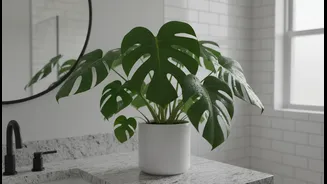
While remarkably adaptable, the iconic Swiss Cheese Plant truly flourishes when given a dose of humidity. Native to tropical rainforests, they appreciate moisture in the air, which encourages larger leaves with more of their signature splits and holes. A Monstera can live in average household conditions, but placing it in a humid location like a kitchen or bathroom will often result in faster, more robust growth. It's an easy-going plant that rewards a little extra moisture with a stunning display.
Simple Ways to Increase Humidity
You don't need a greenhouse to keep these plants happy. The simplest method is to place them in a naturally humid room, like a bathroom or kitchen. Grouping plants together also creates a small, humid microclimate as they release moisture through transpiration. For a more targeted approach, you can place a plant on a tray filled with pebbles and a bit of water; as the water evaporates, it raises the humidity directly around the plant. While misting provides a temporary boost, its effects are short-lived. For the most consistent and effective solution, especially in very dry homes, investing in a humidifier is the best option.