




Beyond the Universal Menu
For years, the experience of dining out in many Indian cities felt remarkably consistent. Menus were often a greatest hits compilation of butter chicken, dal makhani, and paneer tikka, dishes that became stand-ins for the entire nation's culinary output.
This created a homogenized version of Indian food, one that was commercially successful but flattened the country's immense gastronomic diversity. Whether you were in Mumbai, Delhi, or Bengaluru, the offerings were largely predictable. But that era of the one-size-fits-all menu is rapidly coming to a close. A new generation of chefs and restaurateurs is pushing back against this monolithic idea, choosing instead to focus on the specific, nuanced, and deeply rooted food traditions of individual regions.
The Rise of the Hyper-Regional
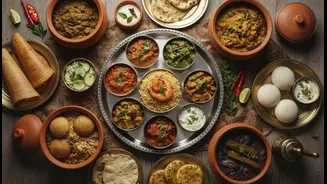
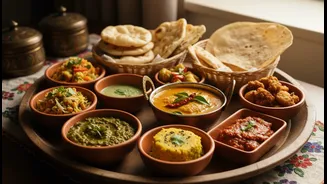
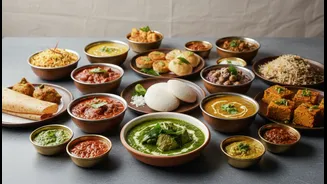
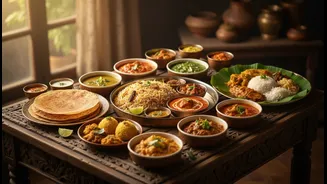
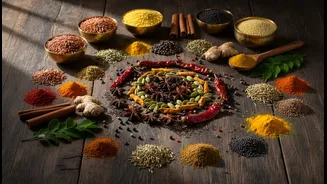
The new frontier in dining is specificity. Instead of a generic “North Indian” restaurant, we are now seeing establishments dedicated entirely to the cuisines of Awadh, Kashmir, or Garhwal. Hyper-regional cuisine goes beyond broad labels like 'South Indian', diving deeper into the distinct food cultures of communities like the Kodava of Karnataka, the Mappila of Kerala, or the tribal cuisines of West Bengal. Restaurants are building their entire identities around the unique flavours of Malvani coastal food, spicy Chettinad curries, or smoky Naga dishes featuring bamboo shoots and Bhut Jolokia chillies. This shift is driven by a growing curiosity from diners who are eager for authentic experiences and meals that tell a story about a specific place, culture, and history.
What's Driving the Change?
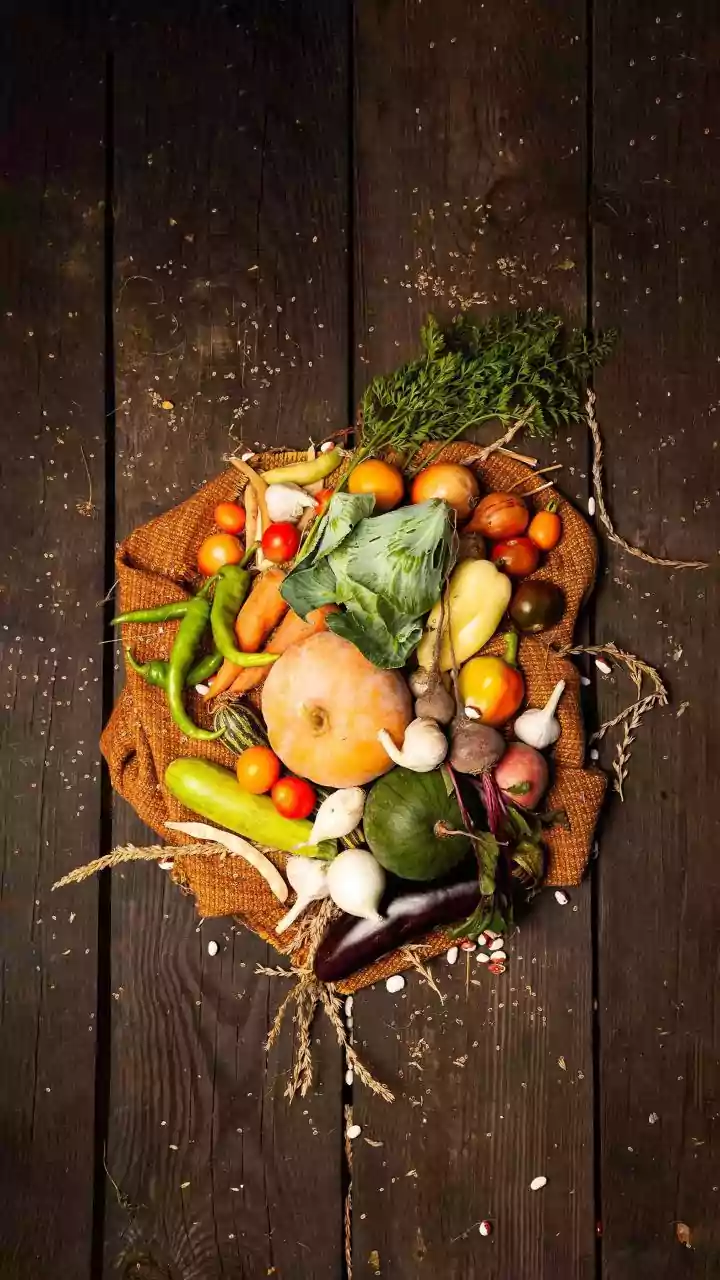
Several factors are fuelling this culinary movement. One of the most significant is nostalgia. As millions of people move to cities for work and education, there's a powerful longing for the comforting, home-style meals of their childhood. Restaurants are tapping into this emotional connection, offering dishes that evoke memories of family and festivals. At the same time, younger diners have become more adventurous, their palates broadened by travel and social media. Food vloggers and Instagram have introduced urban audiences to a vast array of dishes they may have never encountered before. Furthermore, a new wave of chefs is approaching regional food with a deep sense of respect and creativity, travelling to villages, learning from local cooks, and reviving forgotten recipes and indigenous ingredients.
A New Definition of National Cuisine
This trend does more than just add variety to our dining options; it fundamentally reframes what a 'national cuisine' is. For a country as diverse as India, the idea of a single national dish has always been problematic. The regional boom argues that a nation's culinary identity isn't one thing, but a collection of many distinct traditions. Chefs are acting as cultural ambassadors, preserving culinary heritage while presenting it in modern, often premium, settings. Restaurants are finding that focusing on a specific regional narrative gives them a stronger brand identity than a generic multi-cuisine menu. This celebration of regionality is even making its mark internationally, with fine-dining restaurants in cities like London and San Francisco showcasing the specific flavours of India's coastal and southern regions.