



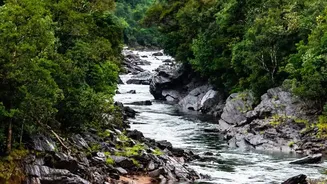
Coorg, Karnataka
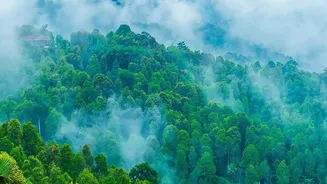
Often called the "Scotland of India," Coorg transforms into a lush, emerald paradise during the monsoon. The region's sprawling coffee plantations, veiled in mist, exude the fresh aroma of wet earth and coffee beans. This is the best time to witness its
waterfalls, like Abbey and Iruppu Falls, which are in their full, roaring glory. While some adventure activities like river rafting on the Barapole River are popular, many visitors prefer to simply enjoy scenic drives through the rolling hills or take guided walks through the verdant estates. The cooler weather and fewer crowds make it a perfect escape for those seeking peace and natural beauty.
Munnar, Kerala
Munnar’s iconic tea gardens seem to glow with an almost impossible shade of green after being drenched in rain. The monsoon casts a romantic, misty spell over the hills, creating breathtaking views at every turn. Waterfalls such as Attukal and Lakkam, often gentle streams in other seasons, become powerful cascades during these months. While heavy downpours are possible, the season also offers a unique atmosphere with fewer tourists, allowing for a more serene exploration of tea museums, spice plantations, and viewpoints. It's a time when the region's natural beauty is at its most raw and dramatic.
Udaipur, Rajasthan
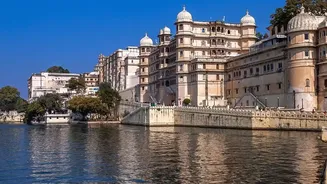
Visiting a desert state during the monsoon might seem counterintuitive, but Udaipur offers a completely different and enchanting experience. The searing summer heat gives way to pleasant, cooler temperatures. The city’s famous lakes, Pichola and Fateh Sagar, fill to the brim, restoring the city’s title as the "Venice of the East". A boat ride on a full Lake Pichola, with views of the majestic City Palace and Jag Mandir against a backdrop of grey monsoon clouds, is truly magical. The surrounding Aravalli Hills shed their brown coat for a blanket of green, and a drive to the aptly named Monsoon Palace (Sajjangarh) provides panoramic views of the transformed city.
Valley of Flowers, Uttarakhand
A UNESCO World Heritage Site, the Valley of Flowers is a destination that exists because of the monsoon. While many Himalayan treks close during the rainy season, this high-altitude valley bursts into a vibrant carpet of over 600 species of alpine flowers precisely from July to September. The trek itself, starting from Govindghat, is a journey through lush landscapes, past roaring rivers and cascading waterfalls. The main valley is a breathtaking spectacle of colour, with rare blooms like the blue poppy and Brahma Kamal. To protect the delicate ecosystem, camping is forbidden, and visitors must trek back to the base camp of Ghangaria by evening, making each day's visit a precious experience.
Shillong, Meghalaya
Visiting the "Abode of Clouds" during the rainy season is an immersive experience. Close to Cherrapunji and Mawsynram, some of the wettest places on Earth, Shillong is the perfect base to witness the monsoon in all its dramatic glory. The entire region becomes a canvas of deep greens, with waterfalls like Elephant Falls and Seven Sisters Falls turning into powerful torrents. The drive from Shillong to Cherrapunji is spectacular, with clouds often drifting right across the road. Beyond the waterfalls, you can explore the unique living root bridges, which are particularly stunning amidst the lush, rain-fed foliage, or take a boat ride on the misty Umiam Lake.