




Why Are Flights Scarce This Season?
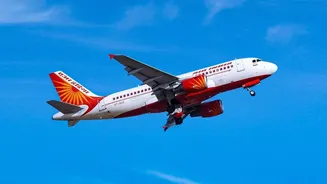
Several Indian airlines have scheduled fewer domestic flights for November and December 2026 compared to the same period last year. Reports indicate a reduction of over 7,000 domestic flights across these two peak months, translating to roughly 117 fewer flights each
day. This surprising cutback is driven by a combination of factors, including rising operational costs and a recent softening in passenger demand, which fell in the months leading up to the holiday season. While airlines had increased capacity in October for the festive season, passenger numbers did not meet expectations, likely due to higher ticket prices. The Air India group and SpiceJet have seen significant reductions in their schedules. SpiceJet, facing financial difficulties, has made one of the steepest cuts. In contrast, the newer Akasa Air is the main exception, having significantly increased its number of scheduled flights.
Fewer Flights, But Not Fewer Seats?
The situation is more complex than just a reduction in the number of flights. The overall number of seats available for domestic travel in November and December has only seen a very slight decrease of about 0.5%. This is because some carriers, like market leader IndiGo, are using larger aircraft on popular routes. So while IndiGo has trimmed its number of flights by 1.7%, its actual seat capacity has increased by 1.4%. However, other major players like Air India and SpiceJet have cut their seat capacity significantly, by 15% and nearly 20% respectively. For travellers, the main impact will be a reduction in choice. With fewer departure times available, especially on routes with less competition, finding a flight that fits your schedule and budget will be more challenging. This scarcity is expected to push fares higher, particularly for last-minute bookings around the Christmas and New Year holidays.
Strategy 1: Book As Soon As Possible
With reduced options and steady demand for holiday travel, the golden rule this year is to book your tickets without delay. The sweet spot for booking domestic flights in India is typically 4-6 weeks in advance for regular travel. For peak holiday periods like Christmas and New Year's, that window extends to 45-75 days or even earlier. As we are now well inside that window, prices are already on the rise. Procrastinating will almost certainly lead to higher fares and the possibility of preferred flights being completely sold out. Waiting for a last-minute deal is a risky strategy this year, as the limited availability on popular routes will likely cause prices to surge, not drop, as departure dates get closer.
Strategy 2: Be Flexible with Dates and Times
If your travel plans have some wiggle room, use it to your advantage. Fares can vary significantly based on the day of the week. Flying on a Tuesday or Wednesday is consistently cheaper than travelling on a Friday or Sunday. Even shifting your travel by a single day can result in substantial savings. Similarly, consider the time of day you fly. Early morning 'red-eye' flights or late-night departures are often less popular and therefore more affordable than flights during prime daytime hours. Use travel search engines with flexible date calendars to easily compare prices across a full week or month, which will quickly reveal the most budget-friendly days to travel on your chosen route.
Strategy 3: Explore Alternate Routes and Airports
Do not limit your search to just direct flights to your primary destination airport. Expanding your search can unlock more availability and better prices. Look at one-stop or connecting flights, which are often cheaper than non-stop services, even if they add to your travel time. Also, consider flying into a secondary airport. If you are travelling to a major metro, a nearby smaller airport might have more open seats and lower fares. For example, some airlines are adding capacity and new routes to airports in Tier-2 cities, which could present a strategic opportunity for savvy travellers. While it may require a slightly longer drive upon arrival, the savings and availability could make it a worthwhile trade-off.