




The Challenge of Urban Heat
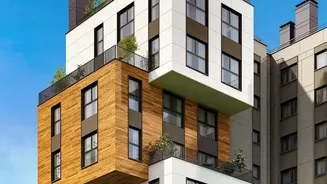
Living in a city often means contending with the 'urban heat island' effect. Concrete, asphalt, and tightly packed buildings absorb and retain the sun's heat far more than natural landscapes. This can make city centres significantly warmer than surrounding
rural areas, putting immense pressure on cooling systems. For residents, this translates into a constant battle to keep homes comfortable, with windows being a primary gateway for unwanted solar heat to enter. Traditional solutions like blinds or heavy curtains block out light as well as heat, forcing a trade-off between a cool space and a bright one. This is where a new generation of 'smart' materials comes into play, offering a dynamic solution to a persistent problem.
Meet Thermo-Responsive Coatings
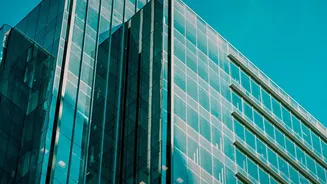
Thermo-responsive—or thermochromic—coatings are an advanced technology designed to make windows smarter and more energy-efficient. Think of them as sunglasses for your house that automatically adjust their tint based on the temperature. These are not the static, reflective films you might be used to; instead, they are made from materials that can change their properties in real-time. The coating is typically a microscopically thin layer, often applied as a liquid or embedded in a film between panes of glass, that reacts to heat. This passive technology doesn't require wires, power, or manual controls to work; it responds automatically to its environment.
How the Technology Works
The science behind these coatings is elegantly simple. The materials used, such as vanadium dioxide, have a specific transition temperature. When the glass heats up past this point—say, on a hot, sunny afternoon—the crystal structure of the coating changes. This change causes the window to tint, blocking a significant portion of the sun's near-infrared radiation, which is the part of the solar spectrum that we feel as heat. This helps keep the interior cool without drastically reducing the amount of visible light coming through. Conversely, when the temperature drops in the evening or during cooler seasons, the coating reverts to its transparent state, allowing natural light and warmth to enter freely. This adaptability makes it superior to traditional built-in coatings (low-e), which have fixed properties and cannot adjust to seasonal changes.
Big Savings on Cooling Costs
The primary benefit for homeowners is a significant reduction in the need for air conditioning, which is one of the largest contributors to household electricity consumption. By automatically managing solar heat gain, these smart windows can keep indoor temperatures more stable and comfortable. Studies and projections suggest that dynamic glazing technologies can reduce cooling energy needs by around 20% compared to even modern low-e windows. For residents of apartments and homes in India's hot urban climates, this could translate into substantial savings on electricity bills during the long summer months. Beyond cost savings, this technology contributes to a more sustainable urban environment by lowering overall energy demand and reducing the strain on the electrical grid.
When Can You Get It?
Thermochromic window technology is moving rapidly from the laboratory to the market. While it has been primarily used in large commercial buildings, the technology is becoming more accessible for residential projects. Costs have been a barrier, but new manufacturing processes are making these coatings more affordable. Several companies now offer thermochromic window products that can be installed like regular glass, with no special wiring or programming required. As building regulations around the world push for greater energy efficiency, technologies like thermochromic coatings, triple glazing, and other advanced systems are set to become the new standard rather than a luxury feature. Homeowners interested in future-proofing their homes should keep an eye on these developments as they become more mainstream.