






The Joy of Serendipity
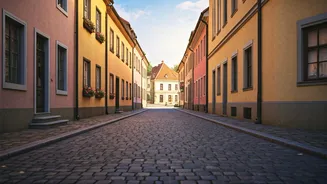
Major tourist cities often come with a checklist: see this, eat there, take that photo. While exciting, this can turn a vacation into a race against time. Smaller cities, by contrast, invite a more spontaneous approach. With fewer world-famous landmarks
demanding your attention, the pressure to 'see it all' vanishes. Instead, the joy comes from unplanned discoveries: a hidden cafe in a quiet lane, a vibrant local market you stumble upon, or a conversation with a shopkeeper. This is the essence of slow travel, a movement that prioritizes connection and experience over a packed itinerary. It’s about savouring moments rather than just collecting them. In places like Mandawa in Rajasthan, the entire town feels like an open-air art gallery, with frescoed havelis turning ordinary streets into masterpieces waiting to be found.
Authentic Local Connections
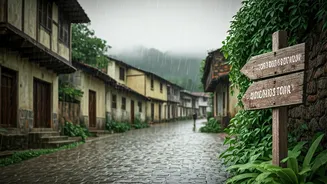
In destinations overwhelmed by mass tourism, local culture can sometimes feel like a performance for visitors. Restaurants serve generic tourist-friendly menus, and interactions can feel transactional. Smaller towns offer a more genuine atmosphere where daily life unfolds naturally around you. Because these places see fewer tourists, locals are often more curious and open, leading to more meaningful connections. You might find yourself invited for tea, learning about a local craft directly from an artisan, or simply sharing a story with someone new. This shift away from commercialised experiences is a key reason travellers are seeking out these destinations. The desire is for immersion, not just observation, allowing for a deeper understanding of a place and its people.
A Slower, More Mindful Pace
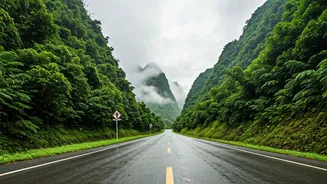
The relentless energy of a metropolis can be thrilling, but it can also be draining. Smaller cities typically operate on a different rhythm. The pace is unhurried, encouraging you to slow down, too. Streets are more walkable, reducing the stress of navigating traffic and crowded public transport. This tranquil environment promotes a sense of well-being, allowing you to truly relax and recharge. Consider the automobile-free hill station of Matheran in Maharashtra, where the absence of vehicles preserves a unique peace and quiet. Or Landour in Uttarakhand, a sleepy cantonment town where you can literally walk through the clouds, offering a profound sense of escape. This slower pace is becoming a necessity for modern travellers looking to disconnect from their hectic lives.
Unique Flavours and Unseen Culture
Smaller destinations are often cultural incubators, preserving traditions, foods, and art forms that might get diluted in larger cities. Instead of global chains, you’ll find family-owned eateries serving generations-old recipes. You can discover regional crafts that haven't been mass-produced for the souvenir market, like the mask-making traditions on Majuli island in Assam or the intricate block-printing workshops in Rajasthan. These experiences feel more personal and distinct. Exploring a place like Gokarna in Karnataka offers a glimpse into a unique blend of quiet beach life and traditional temple culture, a world away from the commercialised shores of more famous coastal hubs. This pursuit of authenticity is a powerful driver for travellers wanting to experience something truly unique.
Finding India’s Hidden Stories
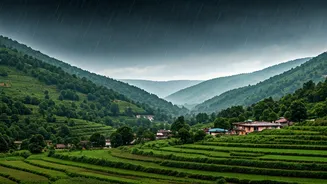
Beyond the Golden Triangle and bustling metros lies a different India, full of untold stories. In places like Orchha in Madhya Pradesh, magnificent palaces and cenotaphs lie nestled in a serene rural landscape, feeling like a forgotten kingdom. The French colonial charm of Pondicherry offers a unique cultural blend of European architecture and Tamil life. In Meghalaya, the village of Mawlynnong, once named the cleanest in Asia, showcases a powerful community commitment to eco-tourism. These offbeat destinations provide a richer, more diverse perspective of the country's heritage and landscapes. By venturing off the beaten path, travellers not only find fresher experiences for themselves but also support local economies in a more sustainable way.