




A Policy Shift Opens the Skies
For decades, the Indian Space Research Organisation (ISRO) was the sole custodian of India's space ambitions. But a landmark decision in 2020 changed the trajectory of the entire industry. The government opened the sector to private participation, creating
the Indian National Space Promotion and Authorisation Centre (IN-SPACe). This autonomous body acts as a single-window agency, empowering private companies—or Non-Governmental Entities (NGEs)—by providing access to ISRO's world-class facilities, sharing technology, and authorising their missions. This reform wasn't just about easing regulations; it was a strategic move to unleash the nation's untapped potential in entrepreneurship and technological acumen, fostering a collaborative ecosystem where ISRO acts as a mentor and partner.
The New Trailblazers of Launch
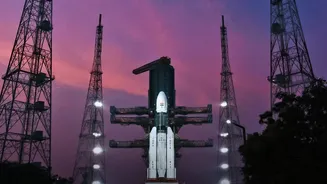
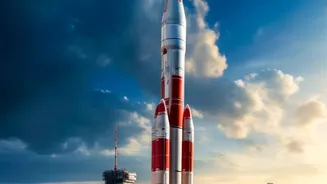
The impact of these reforms became spectacularly clear on July 18, 2026. On that day, Hyderabad-based Skyroot Aerospace successfully launched its Vikram-1 rocket, which became the first privately developed Indian launch vehicle to reach orbit. The mission, named 'Aagaman' (Arrival), was a watershed moment, making India only the third country, after the US and China, with a private company capable of orbital launch. Skyroot, which has achieved unicorn status, proved that Indian startups could compete on the global stage. They are not alone. Chennai-based Agnikul Cosmos has also made history by launching a rocket powered by the world's first single-piece 3D-printed engine, showcasing a different but equally potent path of innovation in launch technology.
More Than Just Rockets
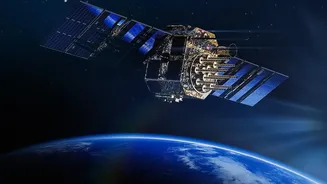
The innovation isn't limited to just getting to space; it's also about what we do once we're there. Bengaluru's Pixxel is a prime example, building a constellation of advanced hyperspectral imaging satellites. These satellites can see the Earth in hundreds of spectral bands, providing data that can detect crop diseases, identify mineral deposits, and monitor environmental changes with unprecedented detail. The startup is even partnering to develop an orbital data centre, aiming to process complex AI-driven analysis directly in space. Another company, GalaxEye, recently launched the world's first satellite combining both optical and radar sensors, allowing it to see through clouds and darkness, a critical capability for disaster management and defence.
An Economic Launchpad
The rise of these startups is creating a powerful economic engine. India's space economy was valued at approximately $8.4 billion recently, but with the surge in private activity, it's projected to grow fivefold to over $40 billion by the early 2030s. The number of space startups has soared from just a handful in 2020 to over 450 today. This boom has attracted significant investment, with Indian space startups raising nearly $390 million in the last few years alone. The government is further fuelling this growth with initiatives like a dedicated venture capital fund for the sector. This influx of capital and talent is not just about building a domestic industry but about capturing a larger share of the global space market, which is hungry for cost-effective and reliable solutions.