
The Enduring Legacy of Chai and Biscuits
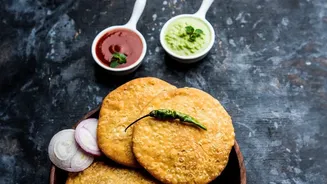
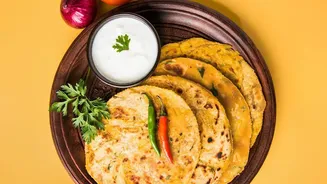
The pairing of tea with biscuits is more than just a snack; it’s a cultural cornerstone in India. From bustling city offices to quiet village verandas, the dunking of a simple glucose or marie biscuit into hot tea is a comforting, almost non-negotiable
part of the day. It’s a habit passed down through generations—affordable, accessible, and deeply familiar. Traditional snacks like biscuits, namkeen, and samosas have long dominated the Indian palate, celebrated for their taste and convenience. However, this long-standing tradition is now facing a new challenger, born from a collective shift towards wellness.
The Rise of the Protein-Packed Contender
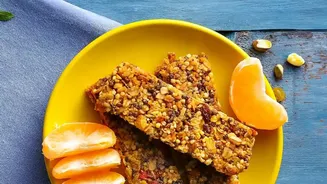
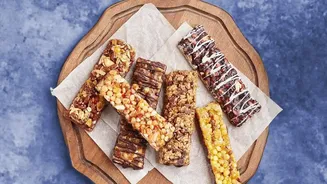
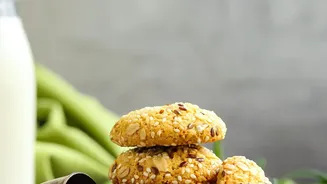
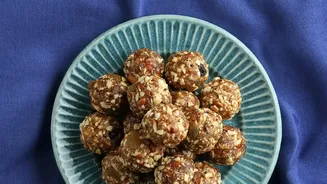
Walk down any supermarket aisle or browse a quick-commerce app today, and you’ll see a different kind of snack taking up prime real estate: protein bars, protein cookies, millet-based snacks, and roasted makhana. This isn't a niche trend confined to gym-goers anymore. Protein-enriched foods are moving from fitness bags to office handbags and school tiffins. A recent study highlighted that 72% of Indian consumers actively seek snacks with functional benefits like higher protein content. This shift is part of a larger 'Better-for-You' movement, with the healthy snacks market in India projected to grow significantly, from USD 5.51 Billion in 2025 to over USD 9 Billion by 2035.
What's Fuelling This Health-Driven Shift?
Several factors are driving this change. A growing awareness of lifestyle-related health issues has made Indians more conscious of what they eat. Consumers are no longer just looking for taste; they want nutrition. A 2026 survey found that 86% of respondents considered protein important when choosing snacks. This is coupled with the influence of urbanisation, social media, and a desire for convenience that fits hectic schedules. Busy professionals find it easier to carry a protein bar than to prepare a traditional snack. The rise of Direct-to-Consumer (D2C) brands has also played a massive role, making innovative and clean-label products more accessible than ever through online platforms and quick-commerce apps.
Biscuits vs. Protein Bars: A Nutritional Showdown
When compared directly, the nutritional profiles are starkly different. Most traditional biscuits are high in refined flour (maida) and sugar, offering a quick energy spike but very little sustained nutrition or satiety. In contrast, a good quality protein bar or cookie offers a significant amount of protein (typically 10-20 grams), fibre, and is often lower in sugar. This combination helps in maintaining energy levels, reducing cravings, and supporting muscle health. However, not all protein snacks are created equal. Consumers are learning to read labels carefully, watching out for hidden sugars, high calorie counts, and artificial ingredients to ensure their 'healthy' snack is genuinely beneficial.
A New Chapter, Not the End of the Story
So, are biscuits being completely replaced? Not quite. The change is more of an evolution than an extinction. While packaged snack consumption has seen slowing growth, the shift is towards mindful and intentional eating. Consumers are not abandoning traditional tastes but are seeking healthier versions of them, like baked namkeens or millet-based snacks. The protein snack isn't replacing the biscuit in every situation, but it is carving out a significant and growing space as the go-to choice for a functional, filling, and convenient bite. It reflects a broader trend where food is no longer just for flavour or comfort, but also for fuel and function.