




Understanding the Sugar Rush and Crash
Think of your favourite sweet treat—a couple of biscuits with your afternoon chai, a piece of mithai after a meal, or a bar of chocolate. When you eat these sugary, carbohydrate-heavy snacks on their own, your body digests them very quickly. This causes
a rapid spike in your blood sugar levels, giving you that initial burst of energy and feel-good rush. But what goes up must come down. Your body releases a large amount of insulin to manage this sugar surge, which often overcorrects and causes your blood sugar to plummet. This is the dreaded ‘sugar crash’ that leaves you feeling tired, irritable, and often craving even more sugar to get your energy back up. It’s a frustrating cycle that can disrupt your entire afternoon.
Enter Protein: The Great Stabiliser
This is where protein comes in to save the day. When you pair a protein source with your sugary snack, you fundamentally change how your body processes it. Protein takes much longer to digest than simple carbohydrates. This has a powerful effect: it slows down the rate at which sugar from the sweet snack is absorbed into your bloodstream. Instead of a sharp, sudden spike, you get a much gentler, more gradual rise in blood sugar. Consequently, you avoid the dramatic crash. This is why a sweet snack paired with protein feels more ‘stable’—it provides sustained energy rather than a fleeting rush, helping you avoid that 3 p.m. slump and stay focused and productive.
The Fullness Factor: Taming Your Cravings
Protein does more than just manage your blood sugar. It is also the most satiating macronutrient, which means it helps you feel full and satisfied for a longer period. When you eat a purely sugary snack, you often find yourself wanting more shortly after. It doesn’t register as a substantial ‘mini-meal’ in your brain. By adding protein, you increase the snack’s satiety value. A handful of almonds alongside a piece of cake, for example, sends a stronger signal to your brain that you’ve eaten something nourishing. This can help prevent overindulgence and curb those powerful cravings that lead you back to the snack box minutes later. It’s a simple strategy to make your treat more satisfying and less likely to trigger a cycle of mindless eating.
Practical Protein Pairings for Your Favourites
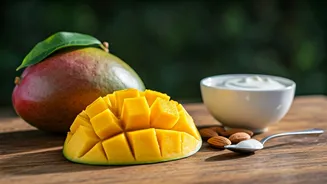
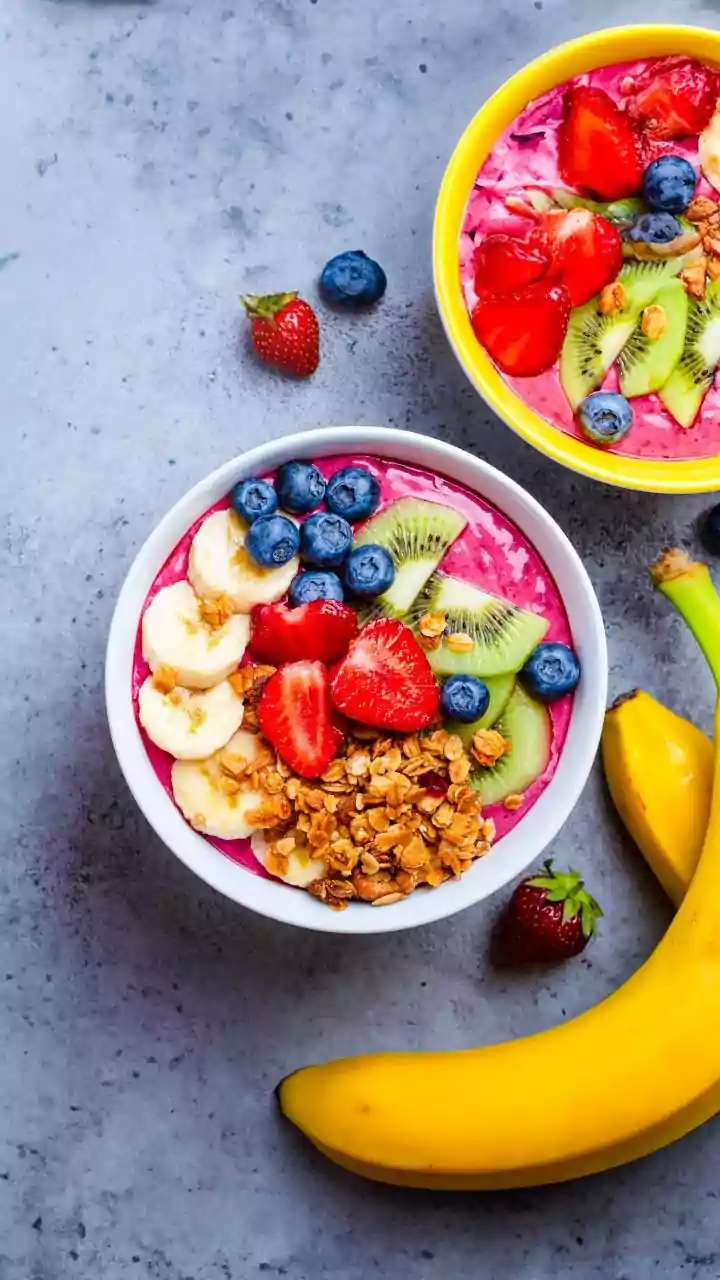
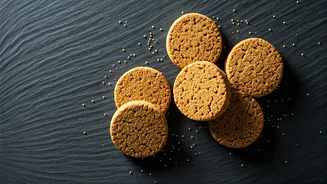
Incorporating this strategy into your daily routine is easy and doesn’t require a complete diet overhaul. It’s about smart additions. Here are some simple ideas: - **With Mithai:** Having a gulab jamun or barfi? Eat a small piece of paneer or a few walnuts alongside it. - **With Biscuits or Cookies:** Instead of having them alone with tea, spread a thin layer of peanut butter on them or have a handful of roasted chana on the side. - **With Fruit:** While fruit contains fibre, pairing it with protein enhances satiety. Enjoy your apple slices with a scoop of nut butter, or have your banana with a small bowl of dahi (yoghurt). - **With Chocolate:** Choose dark chocolate with a higher cocoa percentage and built-in nuts, or simply eat a few almonds with your favourite milk chocolate square. - **In Sweet Dishes:** When making kheer or sevaiyan, be generous with almonds, pistachios, and cashews to boost the protein content.
A Strategy, Not a Free Pass
It’s important to remember that this is a strategy for balance, not a license to eat unlimited sweets. Portion control remains crucial. Adding protein doesn’t negate the calories or sugar in the treat itself. The goal is not to justify eating more sweets, but to make the ones you do choose to eat work better for your body. By pairing them with protein, you transform a potentially destabilising snack into a more balanced and functional one. It’s a mindful approach that allows you to enjoy the foods you love without the negative metabolic consequences, making your sweet indulgences a more stable and satisfying part of your life.