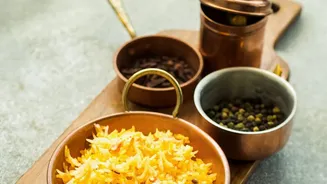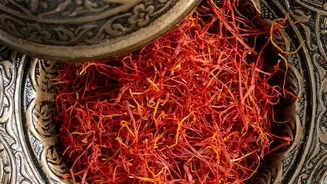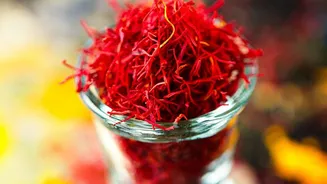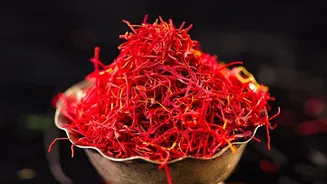

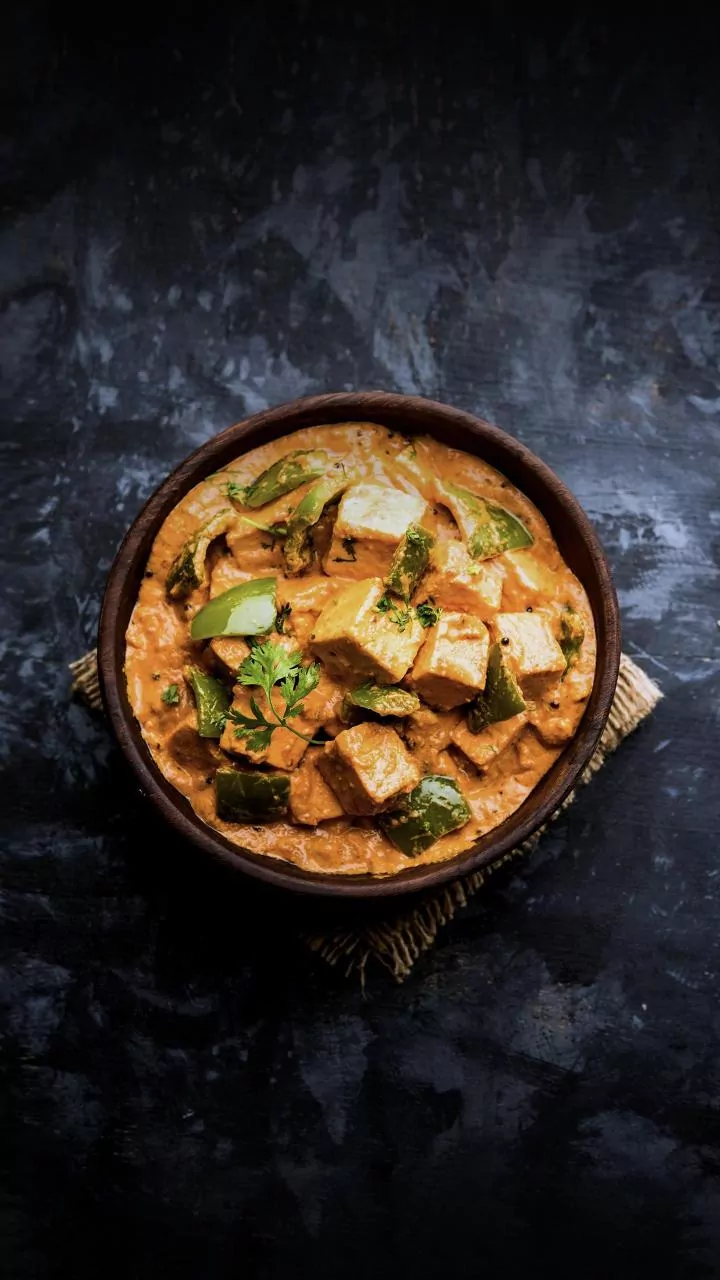
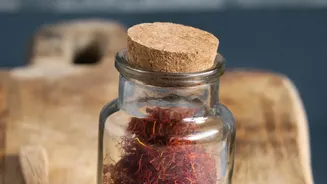
Known as 'red gold', saffron or kesar is a prized spice in Indian kitchens, celebrated for its unique aroma, flavour, and the magnificent golden hue it imparts. But achieving that perfect colour is an art rooted in a little science.
More Than Just a Spice
For centuries, saffron
has been woven into the fabric of Indian culture, signifying purity, celebration, and royalty. Harvested by hand from the Crocus sativus flower, it is the world's most expensive spice due to the sheer labour involved—it can take up to 70,000 flowers to produce less than 500 grams of dried saffron. Its history in India is rich, with mentions tracing back to the Mughal era, where it graced the tables of emperors, and its cultivation is famously associated with the Kashmir valley. This history is why its presence in a dish often signals a special occasion, turning a simple meal into a feast for the senses.
The Science of a Golden Hue
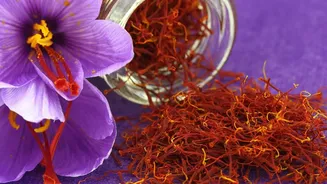
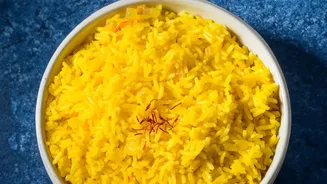
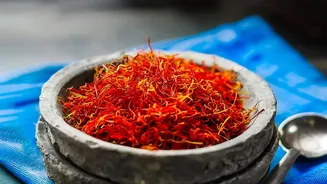
The magic of saffron's colour lies in a chemical compound called crocin. While the threads themselves are a deep, vibrant red, crocin is highly water-soluble. When steeped in liquid, it dissolves and disperses, releasing a powerful and brilliant golden-yellow pigment. This is the beautiful paradox of saffron: it is red in the hand but golden in the dish. Understanding this property is the first step to unlocking its full potential. Unlike artificial colourants, saffron provides a natural, luminous glow that is impossible to replicate.
The Golden Rule: How to Bloom Saffron
To get the most colour and flavour from your saffron, never throw the dry threads directly into your dish. You must 'bloom' them first. This simple but crucial process involves steeping the saffron threads in a warm liquid for at least 15-20 minutes. Lightly crushing the threads before soaking helps release even more of their essence. The liquid can be warm water, milk, or broth, depending on your recipe. Boiling liquid should be avoided, as intense heat can destroy the delicate aromatic compounds. Once the liquid turns a deep golden-orange, the infusion is ready. This entire mixture—both the liquid and the softened threads—should be added to your dish.
Spotting Real Saffron From Fakes
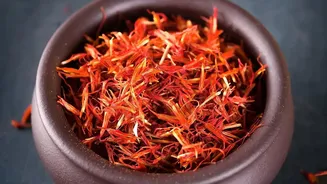
Given its high price, the market is unfortunately filled with adulterated saffron. Common fakes include dyed corn silk or safflower petals. You can test for authenticity at home. The most reliable method is the water test: real saffron will release its golden colour slowly and the threads will remain red, whereas fakes often bleed a bright red or orange colour instantly. Real saffron also has a distinctive aroma, often described as sweet like honey and hay, but its taste is slightly bitter—if it tastes sweet, it may have been coated with sugar to add weight.
Saffron's Starring Role in Indian Dishes
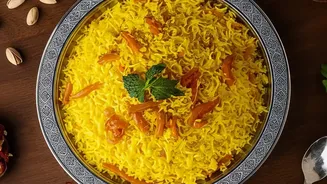
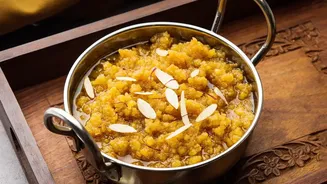
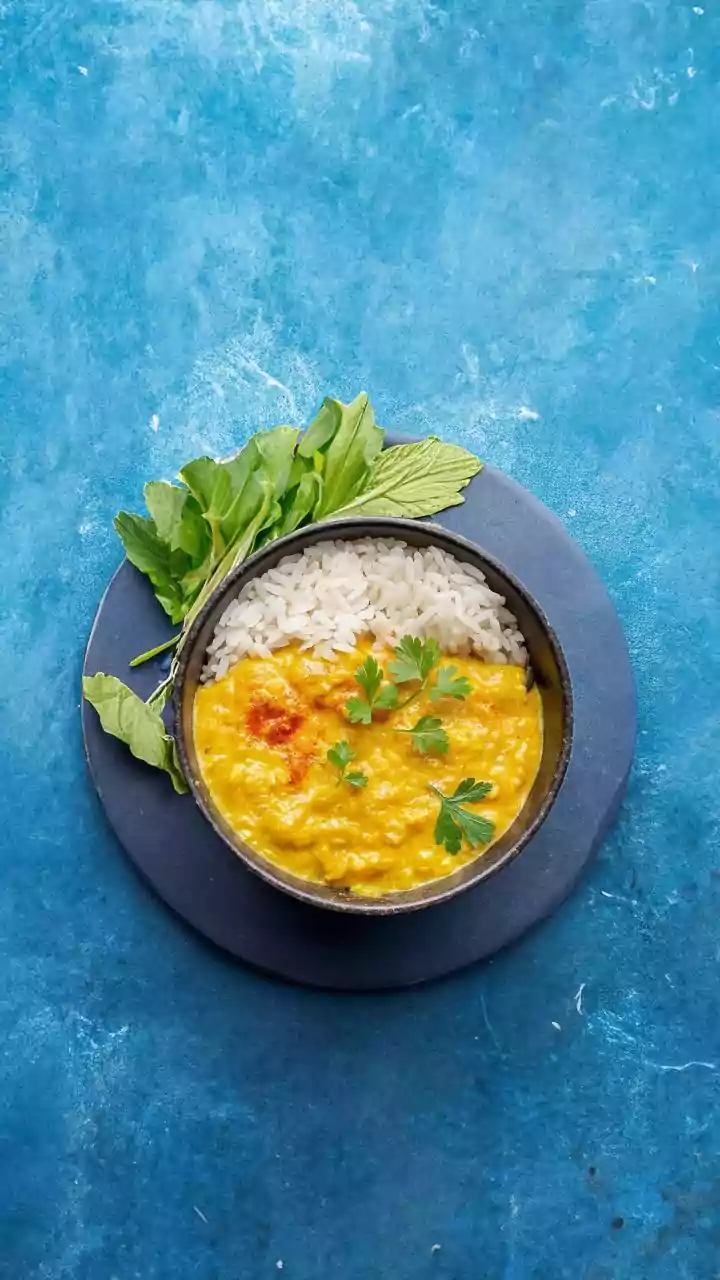
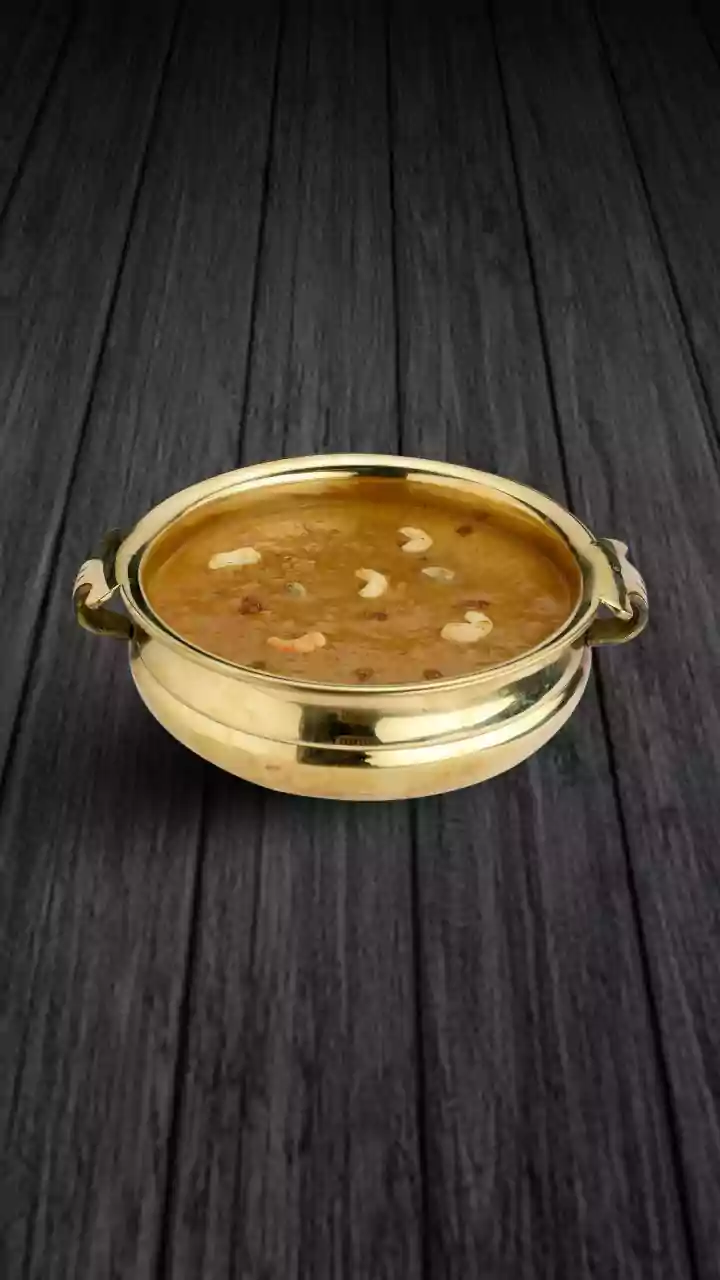
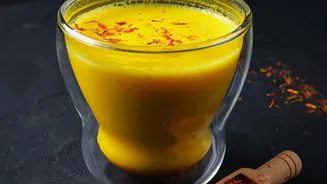
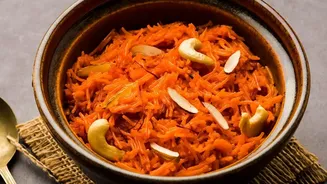
Saffron is the soul of many iconic Indian dishes, primarily used for its colour and aroma. In Hyderabadi Biryani, saffron-infused milk is drizzled over layers of rice before the final 'dum' (steaming), creating signature golden streaks. For milk-based desserts like Kheer, Phirni, or Rabri, the bloomed saffron is added near the end of cooking to lend a warm colour and festive fragrance. It also gives a royal touch to sweets like Shrikhand and Kesar Peda, and is the key ingredient in the comforting Kesar Doodh (saffron milk). In all these dishes, the colour is not just for appearance; it signifies richness and authenticity.