





Not Just a Meal, A Feeling
In India, comfort food is more than just sustenance; it’s a direct line to our memories. It’s the rajma chawal that tastes like a Sunday afternoon, the biryani that signals a celebration, or the simple curd rice that soothes an upset stomach. For decades,
these dishes have been associated with generous amounts of ghee, oil, and a 'don't-ask-questions' approach to calories. They were a guilty pleasure. But a quiet revolution is simmering in Indian kitchens, both at home and in restaurants. A new wave of health consciousness, driven by a desire for wellness without deprivation, is reshaping our most beloved 'comfort plates'. The goal is no longer just to replicate nostalgia but to refine it, making it fit for a modern, more informed lifestyle.
The 'Smarter' Ingredient Swap
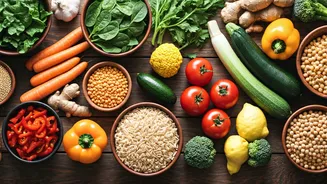
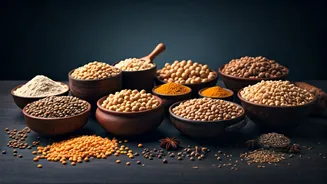
The first step in this evolution is a thoughtful re-evaluation of the pantry. The 'smarter' plate is all about intelligent substitutions that boost nutritional value without compromising the dish's soul. White rice in biryani and pulao is being swapped for nutrient-dense millets like foxtail or barnyard millet, which also add a delightful, nutty texture. Refined white sugar is making way for the earthy sweetness of jaggery, date paste, or coconut sugar in classic desserts like kheer and halwa. Even the fats are getting an upgrade. While ghee in moderation is celebrated for its benefits, chefs and home cooks are increasingly using cold-pressed oils like mustard, coconut, or groundnut oil for cooking, preserving their nutritional integrity. This isn’t about blindly following Western trends but about rediscovering the wisdom of traditional Indian ingredients and using them intentionally.
Cleaner Cooking, Deeper Flavour
The 'cleaner' aspect of this trend goes beyond ingredients and into technique. The greasy, heavy feeling often associated with a big Indian meal is being engineered out of the equation. The air fryer has become a kitchen hero, turning out crispy samosas, pakoras, and vadas with a fraction of the oil used in deep-frying. Steaming, baking, and grilling are being employed more creatively. For instance, instead of frying koftas for a malai kofta curry, many now bake them, resulting in a lighter yet equally satisfying dish. Modern techniques like sous-vide are also being used to cook meats and vegetables to perfection, retaining moisture and flavour without the need for excess fat. The focus is on letting the high-quality ingredients shine, proving that 'healthy' and 'flavourful' are not mutually exclusive terms.
The Chefs and Brands Leading the Way
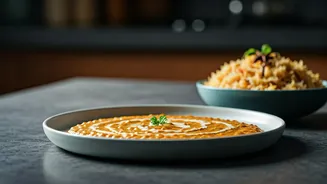
This movement isn't just happening in a few health-conscious homes. It's being championed by a new generation of chefs and food entrepreneurs across the country. Restaurants are revamping their menus to offer 'clean' thalis. Food delivery startups are offering subscription-based meal plans centred around healthy, homestyle Indian food. Chefs are deconstructing classic recipes to build them back up in a more balanced way. They're crafting chole bhature where the bhature are made with whole wheat or a mix of grains and are partially baked before being flash-fried. They are creating dal makhani that achieves its signature creaminess from puréed nuts or oat milk instead of copious amounts of cream and butter. These innovators are proving that our comfort plates can evolve with us.
Your Plate, Reimagined
So what does this mean for the average food lover? It means freedom. The freedom to indulge in your favourite meals without the subsequent guilt. It means that a comforting bowl of khichdi can be a powerhouse of protein and fibre, and a festive biryani can be part of a balanced diet. This trend empowers us to demand better, whether we're dining out or cooking in. It’s an invitation to experiment in our own kitchens—to try baking those gulab jamun or air-frying that medu vada. The soul of Indian comfort food has always been its ability to nourish and console. By making it smarter and cleaner, we are simply ensuring it can continue to do so for generations to come, in a healthier, more sustainable way.