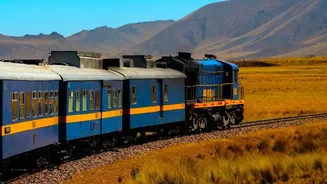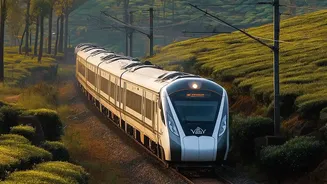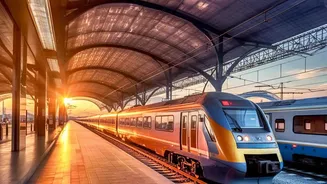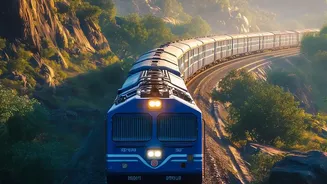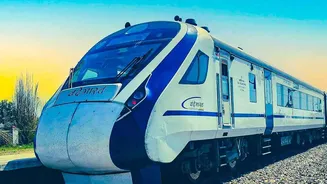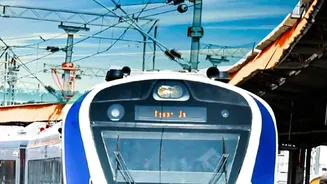




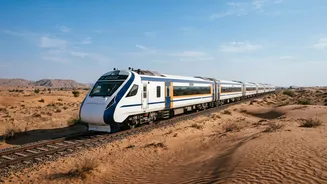
India’s state-of-the-art Vande Bharat Express is redefining rail travel, but nowhere is the contrast more stunning than in Rajasthan. Here, modern engineering meets ancient desert, offering a unique journey through the state's vast arid beauty.
A Leap in Modern Rail Travel
The Vande
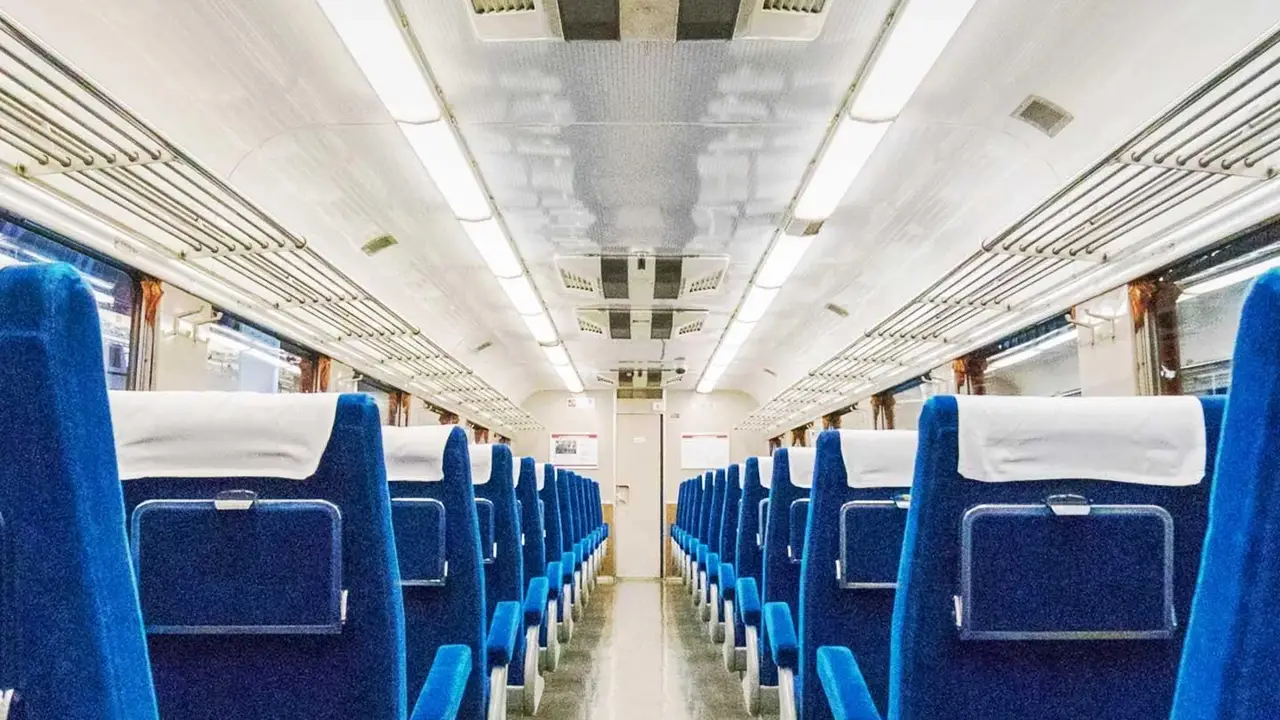
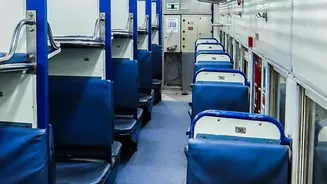
Bharat Express represents a significant milestone for Indian Railways. As a semi-high-speed, self-propelled train, it offers a faster, smoother, and more comfortable travel experience. Designed and manufactured in India, these trains boast airline-style amenities, including AC chair cars, executive class coaches with rotating seats, large panoramic windows, and an onboard infotainment system. With a focus on passenger comfort, the trains are equipped with features like automatic doors, bio-vacuum toilets, and CCTV surveillance, setting a new standard for inter-city travel. This technological leap has made exploring India’s diverse regions more accessible and enjoyable than ever before.
The Jodhpur to Sabarmati Route
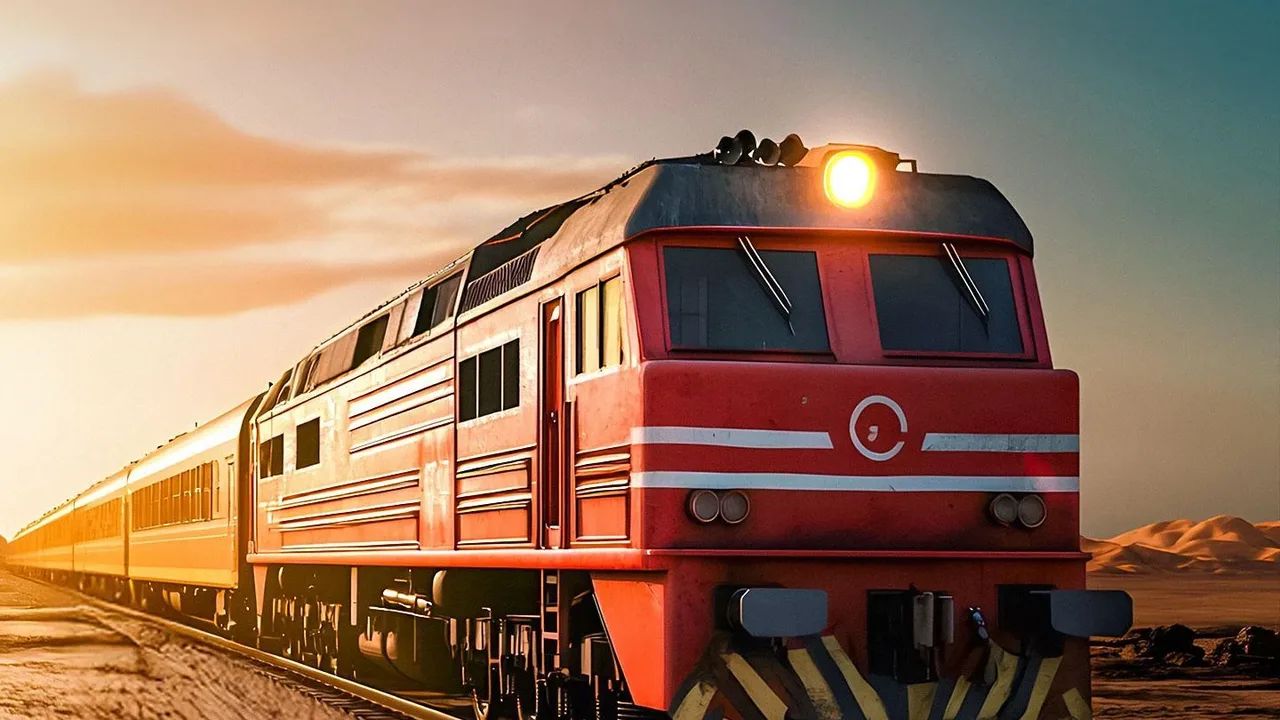
The route that best captures the spirit of the headline is the Vande Bharat Express connecting Jodhpur, Rajasthan, to Sabarmati (Ahmedabad) in Gujarat. Launched in July 2023, this service has become a vital link between the two states. The train covers approximately 449 kilometres in about six hours, a notable improvement over previous services. Its key stops in Rajasthan include Pali Marwar and Falna, before crossing into Gujarat with a stop at Abu Road, the gateway to the popular hill station of Mount Abu. The service runs six days a week, making it a convenient option for both tourists and business travellers looking to traverse the region efficiently.
A Window to the Thar
What makes this journey truly special is the landscape unfolding outside the large windows. As the train speeds out of Jodhpur, the 'Blue City', the terrain transforms into the quintessential desert scenery of the Thar. Passengers are treated to views of vast, sandy plains dotted with hardy Khejri trees and sparse shrubs. The journey offers a moving panorama of rural Rajasthan, with glimpses of traditional mud-brick homes, grazing livestock, and the vibrant attire of the local populace. It’s a perspective often missed by road or air travellers, providing an immersive experience of the region's stark and captivating beauty from the comfort of a modern, climate-controlled cabin.
Connecting Rajasthan's Jewels
While the Jodhpur route cuts through the desert, Rajasthan’s Vande Bharat network extends further, connecting its iconic cities. Another key service is the Ajmer–Delhi Cantt route, which was Rajasthan's first Vande Bharat Express. This train significantly reduces travel time between the national capital and major tourist hubs like Jaipur and Ajmer, home to the famous Ajmer Sharif Dargah. The network has continued to expand, with new services linking cities like Bikaner and Jodhpur directly to Delhi, boosting both tourism and local economies. These routes, particularly the one skirting the Aravalli hills towards Jaipur, offer a different but equally scenic flavour of Rajasthan.
More Than Just a Train Ride
The introduction of Vande Bharat routes in Rajasthan is more than just an infrastructure upgrade; it's a transformation of the travel experience itself. By reducing journey times and increasing comfort, these trains encourage tourism to heritage sites and natural wonders that were previously harder to access on a tight schedule. For tourists, it means being able to cover more ground, perhaps enjoying breakfast in Delhi and exploring Jaipur's Hawa Mahal by the afternoon. For locals, it provides a faster and more reliable connection for business, education, and family visits. The train journey itself becomes part of the vacation—a seamless, scenic, and thoroughly modern way to explore India’s majestic desert state.