





Why Your Cat Thinks Like a Leopard
Before you start drilling, it’s important to understand the ‘why’. Cats, even the cuddliest lap warmers, are driven by ancient predatory and prey instincts. In the wild, height means safety and advantage. A high perch allows them to survey their territory
for potential threats (the vacuum cleaner) and opportunities (an unattended snack). Animal behaviourists call this ‘vertical territory’. In a multi-cat household, it’s even more crucial, as it provides escape routes and diffuses tension by creating more personal space. By not providing vertical options, you are essentially forcing your cat to live on a single, flat plane, which can lead to stress, boredom, and behavioural issues. This trend isn’t just about spoiling your pet; it’s about meeting a fundamental psychological need.
1. The Classic Cat Shelf
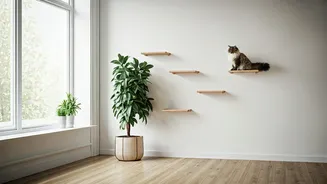
The simplest and most popular entry into the world of vertical hacks is the dedicated cat shelf. These are not your average floating shelves. Look for sturdy brackets and a surface that is deep enough for a cat to comfortably lounge on (at least 10-12 inches). Many people opt for shelves wrapped in carpet or sisal rope to provide grip and a scratching surface. The key is strategic placement. Create a ‘staircase’ effect, allowing your cat to easily hop from one shelf to the next, leading them to a coveted high spot, like the top of a bookshelf or a sunny corner near the ceiling. This is an elegant solution that can be integrated into most decor styles, from minimalist to rustic.
2. The Multi-Functional Furniture Hack
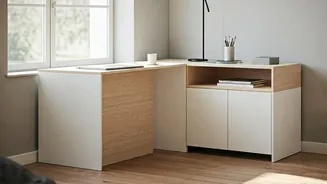
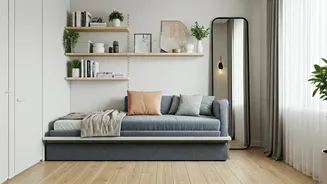
In space-starved city flats, every piece of furniture needs to work hard. This is where clever integration comes in. A tall bookshelf can become a climbing tower with a few tweaks. By leaving certain shelves empty or staggering their placement, you create a natural ladder. Some brands now design furniture with this dual purpose in mind—think side tables with built-in cat cubbies or media consoles with discreet climbing holes. The IKEA KALLAX shelving unit is a legendary favourite among DIYers, who modify it with carpet pads and cut-outs to create a veritable cat condo that also stores books and decor. It’s about seeing your existing furniture not as an obstacle, but as part of the playground.
3. The Coveted Window Perch
For an indoor cat, a window is their television, a live-streaming channel of birds, people, and passing cars. A dedicated window perch is prime real estate. You can buy ready-made perches that attach securely to the window sill or frame, often with a soft, washable cushion. For a DIY approach, a simple, sturdy plank of wood mounted just below the window works perfectly. This hack provides mental stimulation, a warm spot for napping in the sun, and a vantage point that satisfies their need to watch over their domain. Ensure the window is securely closed or has a strong mesh or grille to prevent any accidents.
4. The Ultimate ‘Cat Superhighway’
For the truly obsessed, the goal is to create a full ‘cat superhighway’—a continuous elevated path that allows their pet to navigate a room, or even multiple rooms, without touching the floor. This involves connecting shelves, the tops of cabinets, and dedicated cat bridges (planks or rope bridges suspended between two points). It’s the gold standard of catification. While it requires more planning and installation, it completely transforms the environment from your cat’s perspective. It turns dead air space near the ceiling into a functional, enriching territory that belongs entirely to them, drastically reducing floor-level conflicts and boredom.
5. Renter-Friendly Solutions
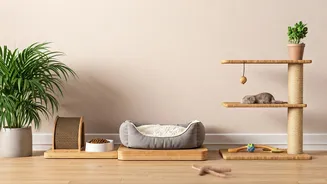
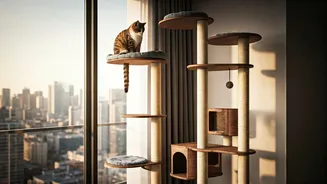
What if you’re living on rent and can’t drill holes in the walls? Don’t worry, you’re not left out. The market is full of clever, no-drill solutions. Tall, multi-level cat trees are the most obvious choice; look for ones with a wide, heavy base for stability. Tension-rod cat poles that wedge between the floor and ceiling offer vertical climbing opportunities without any screws. You can also use sturdy, heavy furniture like bookcases as anchors for other elements. Command strips and other heavy-duty temporary adhesives can hold lightweight fabric hammocks or small steps, but always check weight limits carefully and prioritise your pet's safety.