








What Is Chrononutrition?
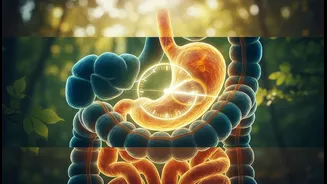
Chrononutrition is the study of how meal timing interacts with our body's natural 24-hour cycles, known as circadian rhythms. These internal clocks don't just manage sleep; they also regulate digestion, hormone release, and metabolism. The central idea
is to synchronize our eating patterns with these biological rhythms. When we eat out of sync with our internal clocks—for instance, by having a large meal late at night or eating at inconsistent times—we can disrupt these finely tuned processes. This misalignment can affect how our body processes nutrients and may contribute to metabolic issues over time. The goal of chrononutrition is to work with your body's natural schedule, not against it, to optimize health.
The Gut-Clock Connection
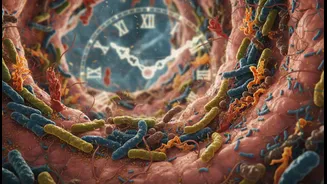
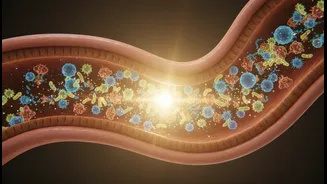
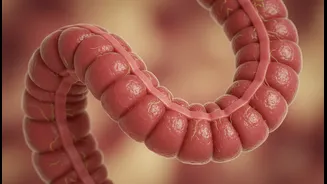
Your digestive system doesn't run at full speed 24/7. Like the rest of your body, it has its own daily rhythm. Research shows that even the trillions of microbes in your gut—the gut microbiome—have their own circadian cycles. The timing of your meals acts as a powerful cue for these gut clocks. Eating at regular times helps keep these microbial rhythms stable and diverse, which is crucial for good digestion and overall health. Conversely, irregular eating patterns, like those common in shift work or from social jet lag, can throw these gut bacteria out of whack, potentially leading to issues like increased intestinal permeability (leaky gut) and inflammation. Aligning your meals with your body's clock can help maintain a healthy, balanced gut environment.
Hack 1: Front-Load Your Calories
One of the most practical chrononutrition tips is to eat your largest meals earlier in the day. Think "breakfast like a king, lunch like a prince, and dinner like a pauper." Your body's ability to manage blood sugar and metabolize food is generally higher in the morning and early afternoon. Studies suggest that consuming the bulk of your calories earlier aligns with your metabolic peak, which may support better weight management and insulin sensitivity. Eating a heavy meal late at night, when your metabolism is naturally slowing down for sleep, can challenge your digestive system and may lead to impaired glucose tolerance. Shifting your main meal to lunchtime and opting for a lighter dinner can make a significant difference.
Hack 2: Create a Consistent Eating Window
Instead of grazing all day and night, try confining your food intake to a specific window, such as 10 or 12 hours. This practice, often called time-restricted eating (TRE), gives your digestive system a predictable daily break. This fasting period allows the gut lining to rest and repair, which can strengthen the gut barrier. Studies on TRE suggest it can help reset microbial rhythms, improve microbial diversity, and support metabolic health, sometimes leading to weight loss and better blood sugar control. The key is consistency; try to eat within the same window each day to help synchronize your internal clocks.
Hack 3: Finish Eating Before Bedtime
Late-night eating is one of the biggest disruptors of our circadian rhythms. Consuming food close to bedtime forces your body to focus on digestion when it should be preparing for sleep and cellular repair. This can delay the release of melatonin, the hormone that signals sleep, potentially making it harder to fall asleep and reducing sleep quality. As a general rule, aim to finish your last meal or snack at least two to three hours before you go to bed. This gives your body ample time to digest, allowing it to transition smoothly into a restful state for the night.