
The Nutritional Powerhouse in Your Pantry
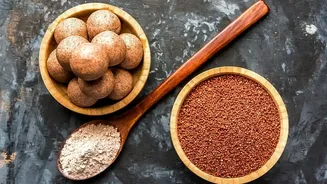
Besan, made from ground Bengal gram (chana dal), is a nutritional hero in Indian kitchens. It's naturally gluten-free and a fantastic source of plant-based protein, with approximately 20-22 grams of protein per 100 grams. This is significantly higher
than wheat flour and even surpasses eggs by weight. Beyond protein, besan is rich in dietary fibre, which promotes satiety and keeps you feeling full for longer, helping to manage cravings throughout the day. It also boasts a low glycemic index, which supports stable blood sugar levels. Furthermore, it is packed with essential micronutrients like iron, folate, magnesium, and B vitamins, making it a well-rounded choice for a nutritious start to your day.
The Classic Besan Cheela
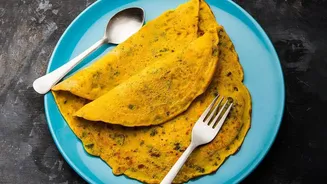
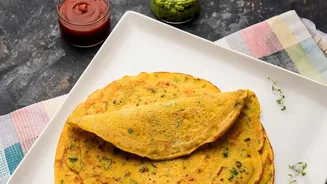
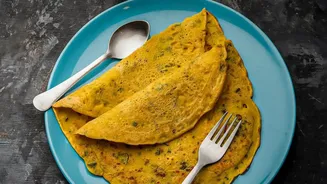
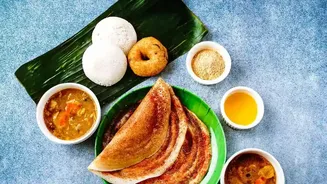
Perhaps the most popular besan breakfast is the cheela, a savoury pancake that comes together in minutes. To make it, you simply whisk besan with water and spices like turmeric, ajwain (carom seeds), and a pinch of salt to form a smooth batter. Finely chopped onions, tomatoes, green chillies, and fresh coriander are often added for extra flavour and texture. The batter is then poured onto a hot tawa or pan and spread thin, much like a dosa. Cooked with a little oil or ghee until golden and crisp on both sides, a besan cheela is a wholesome and filling meal that pairs perfectly with chutney or yogurt. You can also add grated vegetables like carrots or spinach to the batter to boost its nutritional value.
A Quick and Crispy Besan Toast
For those mornings when time is short, besan toast offers a brilliant solution. Often described as a savoury, eggless 'French toast', this dish involves creating a thick besan batter seasoned with spices. Slices of bread are dipped into this batter, ensuring they are well-coated, and then pan-fried on a tawa until golden brown and cooked through. The besan coating becomes wonderfully crisp on the outside while remaining soft inside, creating a delightful contrast with the bread. You can customise the batter with finely chopped vegetables or herbs for added flavour. It's a convenient and protein-packed alternative to a plain slice of toast and can be served hot with ketchup or a mint chutney.
Fluffy and Fermented: The Magic of Dhokla
Originating from Gujarat, dhokla is a steamed savoury cake that is light, spongy, and incredibly healthy. It is made from a fermented batter of besan and sometimes yogurt or semolina. The fermentation process not only makes the dhokla fluffy but also increases the bioavailability of its nutrients, making it easier to digest. Because it's steamed and not fried, it's very low in oil and calories. A standard dhokla is a great source of protein and fibre, making it a satisfying breakfast or snack. It is typically finished with a tempering of mustard seeds, curry leaves, and green chillies, and garnished with fresh coriander and grated coconut. For a healthier version, you can reduce or omit the sugar often added to the tempering.
Delicate and Delicious: Gujarati Khandvi
Another Gujarati gem, khandvi, consists of delicate, tightly rolled layers made from a batter of besan and buttermilk or yogurt. Making khandvi requires a bit more skill and patience, as the batter must be cooked to the perfect consistency before being spread thinly and rolled. However, the result is a melt-in-your-mouth snack that is both light and flavourful. Like dhokla, it is a low-calorie, high-protein dish. Once rolled and cut into bite-sized pieces, khandvi is typically garnished with a tempering of mustard seeds, sesame seeds, curry leaves, and grated coconut. It is a wonderfully healthy and impressive dish to add to your breakfast rotation.