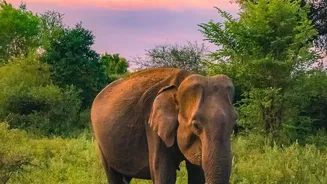







As winter descends, India’s national parks and wildlife sanctuaries become prime destinations for tourists. This seasonal surge, however, puts immense pressure on the very ecosystems people come to admire. How is a balance struck?
The Winter Wildlife Rush
Winter brings pleasant
weather and clearer skies, making it the ideal season for wildlife safaris in India. From spotting tigers in Ranthambore to observing elephants in Corbett, tourists flock to protected areas in droves. This influx, while beneficial for local economies and tourism revenue, presents a significant conservation challenge. Increased human activity, vehicle traffic, and noise can disrupt animal behaviour, interfere with breeding patterns, and increase stress levels in wildlife. The central issue becomes managing this human wave to prevent it from overwhelming the delicate balance of the forest.
The Regulatory Shield: A Legal Framework
The foundation for wildlife protection in India is the Wildlife (Protection) Act of 1972. This powerful legislation empowers central and state governments to establish national parks and sanctuaries, prohibiting activities like hunting and commercial exploitation within their boundaries. The Forest Department, under the Chief Wildlife Warden of each state, is the primary authority responsible for implementing these laws on the ground. Their goal is to manage tourism in a way that is sustainable, ensuring that visitor activities do not compromise the core objective of conservation.
Rules of the Jungle Safari
To mitigate the impact of tourism, Forest Departments enforce a strict set of rules. A core regulation involves managing the 'carrying capacity' of a park—limiting the number of vehicles allowed inside at any given time. This prevents overcrowding on forest tracks. Other key rules include fixed timings for entry and exit, mandatory accompaniment by a registered guide, and sticking to designated tourism zones. Tourists are prohibited from getting out of their vehicles, playing music, using flash photography, or feeding animals. These regulations are designed to minimise disturbance and ensure that animals can go about their lives with as little interference as possible.
Defining Boundaries for Protection
Not all parts of a protected area are open to tourists. The law allows for the creation of strictly protected 'core' zones where human activity is highly restricted, often limited to research and monitoring. Tourism is generally confined to specific 'buffer' or 'tourism' zones. This zoning strategy is crucial; it ensures that large parts of the habitat remain inviolate, serving as safe refuges for animals to breed and thrive away from the safari trails. The Supreme Court has, in the past, taken a strong stance against the development of permanent tourist structures inside core areas, reinforcing the primacy of conservation.
Enforcement on the Front Lines
Having rules is one thing; enforcing them is another. Forest guards and other frontline staff are the sentinels of these ecosystems. They patrol the parks, monitor animal movement, and ensure that tourists and safari operators adhere to the regulations. In many reserves, technology is also playing a role, with camera traps and monitoring systems helping to keep an eye on both wildlife and potential rule breakers. When managed well, revenue from ecotourism can be funnelled back into conservation efforts, funding staff salaries, anti poaching activities, and habitat restoration.