



What Exactly Are Microgreens?
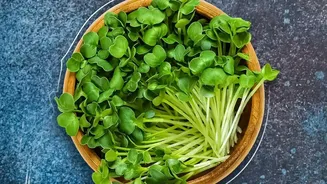
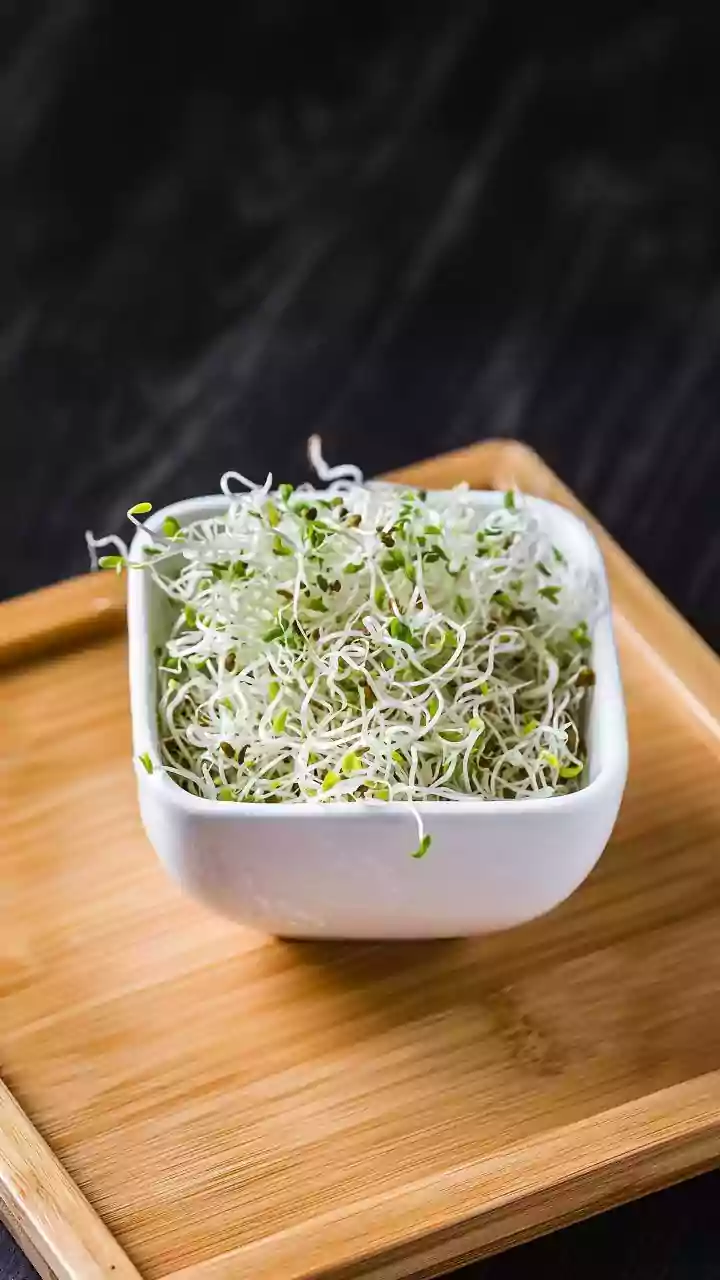
Often confused with sprouts, microgreens are the next stage of a plant's life. They are young vegetable greens harvested just after the first true leaves have developed, typically 7 to 21 days after germination. Unlike sprouts, where the entire seed and
root are consumed, you only eat the stem and leaves of microgreens. This makes them a versatile ingredient, perfect for adding a concentrated burst of flavour, colour, and texture to salads, sandwiches, and soups. Popular varieties include peppery radish, mild broccoli, and nutty sunflower, each offering a unique culinary experience.
The Urban Kitchen Challenge
For many city dwellers, the desire for fresh, organic produce clashes with the reality of limited space. A full-sized garden is often a distant dream, and even balcony space can be at a premium. This leads to a reliance on store-bought greens, which can be expensive and may lose a significant portion of their nutritional value during transport and storage. Growing your own food seems like an ideal solution, but traditional gardening methods aren't practical for most apartments and small homes. This is precisely where the micro-garden concept, specifically with microgreens, provides a brilliant and accessible answer.
Why Shallow Trays Are the Secret Weapon
The key to efficient windowsill microgreen cultivation lies in the container. While any tray can work, shallow trays—typically between 1 to 2 inches deep—are ideal. This specific depth is not arbitrary; it provides several key advantages. First, it requires less soil or growing medium, which reduces cost and weight. Second, a shallower depth prevents the soil from becoming overly waterlogged, promoting better root health and preventing mould. Third, it allows for better air circulation around the young plants. Finally, and most importantly for harvesting, the greens grow in a dense, even canopy that is easy to cut cleanly just above the soil line.
Your Simple Windowsill Setup
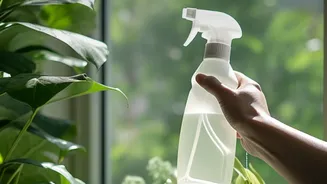
Getting started is remarkably simple and doesn't require expensive, specialized equipment. All you truly need are a few basic items. Start with a shallow, food-safe tray, preferably with drainage holes, and a second tray without holes to place underneath for bottom-watering. You'll also need a growing medium—coconut coir is a popular, sterile choice—high-quality organic seeds, a spray bottle for misting, and a sunny windowsill that receives at least a few hours of light per day. For fast, reliable results, beginner-friendly seeds like broccoli, radish, or peas are excellent choices.
From Seed to Harvest in About a Week
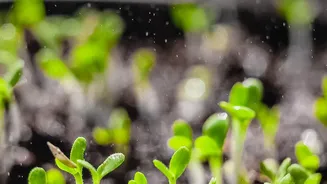
The growing process is quick and satisfying. First, moisten your growing medium in the tray. Sprinkle your seeds evenly and densely across the surface, then mist them with water. Cover the tray for the first few days to encourage germination. Once sprouts appear, uncover the tray and place it in a bright spot. Water your microgreens from the bottom by adding water to the lower tray, allowing the soil to soak it up. This keeps the leaves dry and helps prevent disease. In as little as 7 to 10 days, your microgreens will be 2-3 inches tall and ready to harvest with a pair of clean scissors.
A Nutritional and Flavour Powerhouse
The rewards of your minimal effort are immense. Homegrown microgreens are harvested moments before being eaten, ensuring they are at their peak freshness, flavour, and nutritional potency. Research has shown that microgreens can contain up to 40 times more nutrients, like vitamins C, E, and K, than their mature counterparts. This makes them a genuine superfood that can boost your intake of essential vitamins, minerals, and antioxidants. Beyond the health benefits, the satisfaction of snipping your own fresh greens for a meal provides a unique connection to your food, right in the heart of your urban home.