




What Exactly is Blush Blindness?
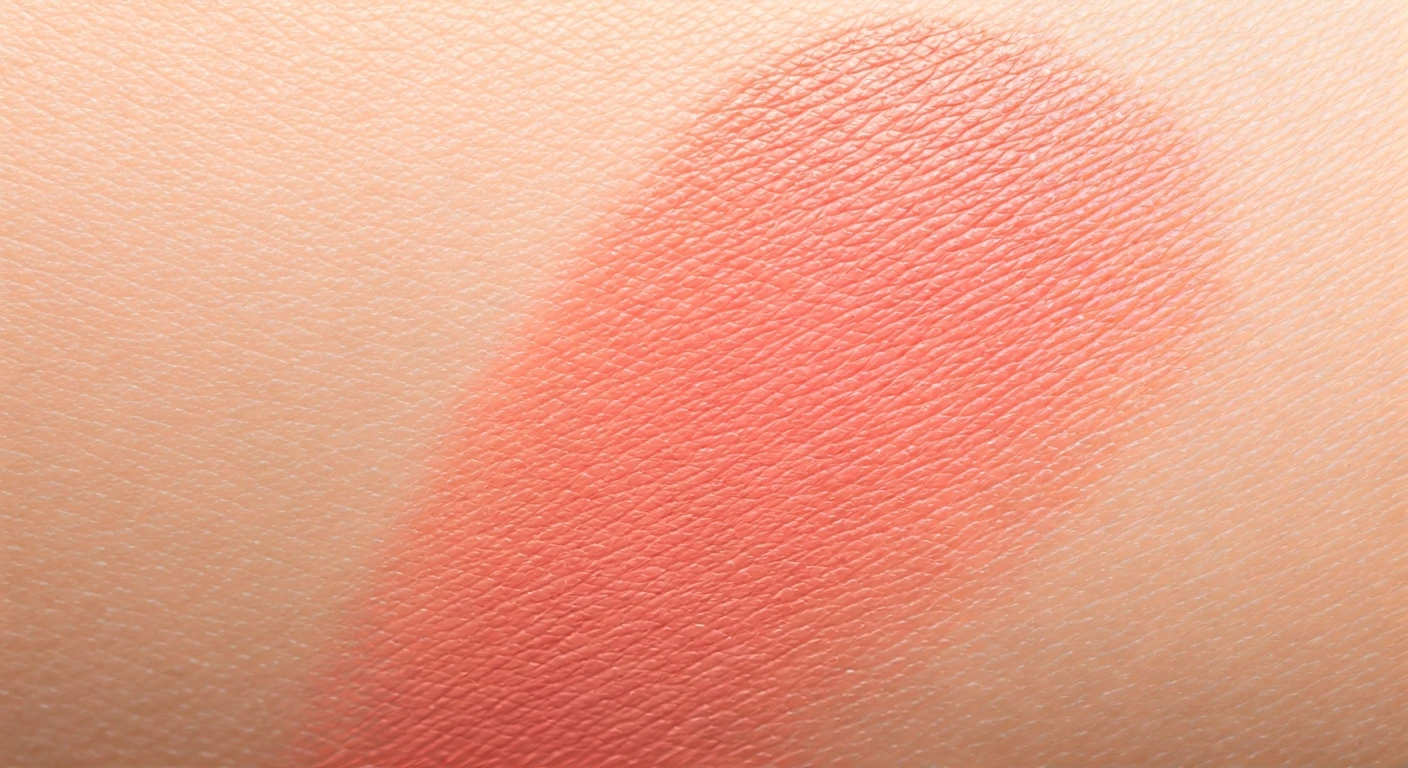
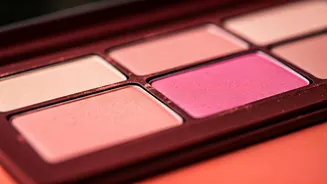
‘Blush blindness’ is a term popularised on social media to describe what happens when you apply blush but quickly become desensitised to the colour, leading you to apply more. Professional makeup artists explain it as the moment you feel like you don't
have enough blush on, so you keep layering it. Before you know it, you've gone from a healthy glow to an overly flushed look without even realising it. It’s similar to how you might stop noticing the scent of your own perfume after a few minutes. The term is metaphorical, of course, referring to a failure to perceive the intensity of the colour you're applying.
The Science of Sensory Adaptation
This isn't just a beauty quirk; it’s rooted in a psychological principle called sensory adaptation. Our brains are wired to pay attention to new stimuli. When a stimulus—be it a sound, a smell, or a sight—is constant and unchanging, our sensory receptors become less responsive. This allows us to filter out unimportant information and focus on what's new. In the case of blush, your eyes and brain adapt to the initial application of colour. As it becomes part of the 'background' of your own face in the mirror, you perceive it less, creating the urge to add another layer to get that initial colour pop back.
Why is Everyone Talking About It Now?
The conversation around blush blindness is booming, largely thanks to social media trends. Firstly, blush itself is having a major moment, with sales soaring as beauty fans move away from the sharp contouring of the past decade towards a fresher, more vibrant look. Secondly, trends like 'boyfriend blush' and the heavily flushed looks seen on celebrities have encouraged a more-is-more approach. Beauty creators, filming under bright studio lights that can wash out makeup, often apply more product to ensure it shows up on camera, which can normalise a heavier application for viewers. Some influencers even embrace blush blindness as a statement of rebellion against subtlety, encouraging followers to wear colour with confidence.
Trend or Mistake? It’s All About Intent
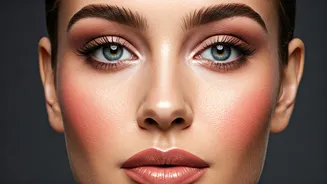
Is applying a lot of blush a trend or a mistake? The answer is: it can be both. A deliberately bold, draped blush look that extends to the temples can be a stunning style choice. Many popular Asian beauty trends, like Igari (a 'hangover' look) or Douyin makeup, rely on strategic and heavy blush placement across the nose and under the eyes. The issue of blush blindness arises when the heavy application is unintentional. What looks great for a selfie might be overwhelming in natural daylight. Ultimately, if you love the bold cheek and wear it with purpose, it's a trend. If you're consistently surprised by how much blush you have on, it might be time to retrain your eyes.
How to Cure Your Blush Blindness
If you want to ensure your flush looks intentional and not accidental, there are several simple tricks you can use. First, always try to apply makeup in good, natural light to get the most accurate view of the colours. After applying, step away from the mirror for a minute and then come back for a fresh perspective. Another pro tip is to apply the blush to the back of your hand before picking it up with a brush, which gives you more control over the amount of pigment. If you do go overboard, don't panic. You can use a clean, fluffy brush or a damp sponge to blend out the edges. A light dusting of translucent powder can also help tone down the intensity without messing up the makeup underneath.