

1. Zermatt: The Matterhorn Magnet
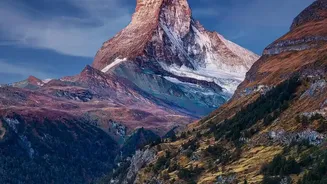
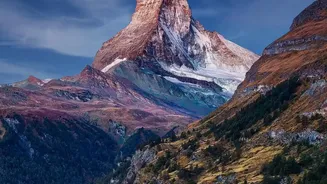
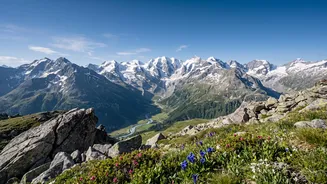
The allure is undeniable: a charming, car-free village living in the shadow of the magnificent Matterhorn. Zermatt is the quintessential alpine resort, offering world-class skiing, hiking, and that perfect, pyramid-shaped peak. But its fame comes at a cost.
Zermatt has one of the highest tourism intensities in Switzerland, with a staggering number of visitors for its small resident population. This translates into premium pricing on everything from accommodation to dining. A mid-range trip can easily cost over 250 Swiss francs per person per day. Mountain railway tickets to viewpoints like Gornergrat or Matterhorn Glacier Paradise are a significant expense, often exceeding 100 francs for a standard return trip. To manage the expense, consider visiting in the shoulder seasons of June or September, staying in the nearby, more affordable village of Täsch, and mixing restaurant meals with picnics from the local Coop or Migros supermarkets.
2. Jungfrau Region: A Victim of Its Own Success
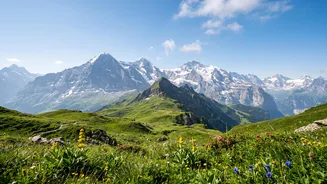
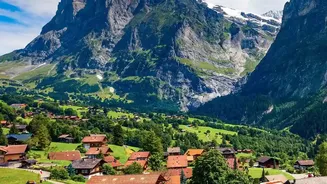
The Jungfrau region, encompassing towns like Grindelwald, Wengen, and Lauterbrunnen, is considered one of the country's most over-touristed areas. The main draw, the Jungfraujoch 'Top of Europe' railway, is a marvel of engineering that brings hordes of tourists to a glacier-world at 3,454 metres. It is also one of Switzerland’s most expensive single outings, with standard return tickets from the valley costing well over 200 francs during peak season. Social media has amplified the pressure, with attractions like the First Cliff Walk in Grindelwald now experiencing queues of one to two hours during midday in summer. The sheer volume of visitors strains local infrastructure and can diminish the sense of tranquility. A strategic approach is essential: book the very first train to Jungfraujoch to beat the midday rush, visit on a weekday, or explore less-trafficked nearby mountains like Schilthorn or Säntis for breathtaking views with more breathing room.
3. Lucerne: The Postcard City
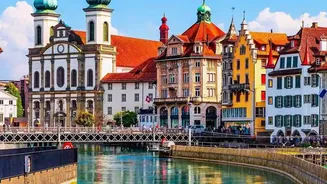
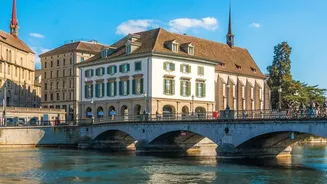
With its stunning lakeside setting, well-preserved medieval old town, and the iconic Chapel Bridge, Lucerne is a fixture on nearly every Swiss tour itinerary. The Chapel Bridge, Europe's oldest covered wooden bridge, is free to visit and open 24/7, making it a constant hub of activity. During summer days, crossing the bridge can feel more like navigating a procession than a peaceful stroll, with pickpocketing being a noted concern in the dense crowds. The city's popularity has led officials to take measures to manage the flow of tourists, including increasing tourism taxes. To truly appreciate Lucerne's charm, the best strategy is to visit its most famous landmarks early in the morning or later in the evening. Exploring the city in the shoulder seasons of late spring or early autumn also offers a more relaxed experience with better prices.
4. Interlaken: The Crowded Adventure Capital
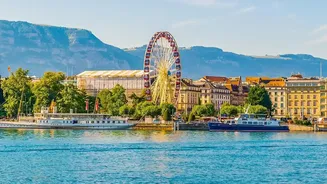
Positioned between two brilliant turquoise lakes, Thun and Brienz, Interlaken is the gateway to the Bernese Oberland's adventure sports. From paragliding to canyoning, it’s a hub for adrenaline seekers. However, its central location and role as a transport hub mean the town is perpetually busy, especially during the peak summer months of July and August. This high demand leads to inflated prices for accommodation and activities. Locals note that the experience of the town has changed dramatically, with restaurants and activities often fully booked in advance during high season. For a better balance, consider visiting between April and June or in September. During these times, most activities are still available, but the crowds are thinner and prices are more reasonable, allowing for a more enjoyable and spontaneous trip.
5. Grindelwald-First: The Instagram Hotspot
Once a simple stop on a hiking route, Grindelwald-First has exploded in popularity thanks to its 'Top of Adventure' branding, which includes the First Cliff Walk, First Flyer zipline, and mountain carts. While thrilling, the fame has created a bottleneck. In high season, queues for the gondola from Grindelwald can be extensive, and wait times for activities like the mountain carts can stretch to nearly two hours. The Cliff Walk itself, a narrow metal walkway bolted to the side of a cliff, becomes congested as visitors vie for the perfect photo. The key to enjoying First is timing. Arriving to catch the first gondola around 8 a.m. allows you to experience the summit and the Cliff Walk before the major crowds arrive around 10 a.m. Booking an Adventure Package can offer better value, but be prepared for potential sell-outs on individual activities during peak times.