




Understanding the Safari Zones
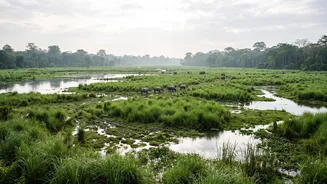
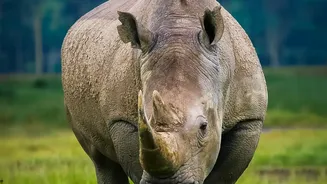
Kaziranga National Park is divided into four distinct safari zones accessible by jeep, each offering a unique landscape and wildlife experience. For first-time visitors, the Central Range (Kohora) is often the top choice. It offers a classic Kaziranga landscape of grasslands
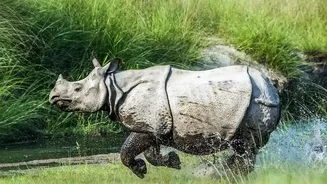
and wetlands, with a high density of the great one-horned rhinoceros. The Western Range (Bagori) is another excellent option, renowned for its rhino population and slightly lower tourist numbers, making for a more serene experience. For birdwatching enthusiasts, the Eastern Range (Agaratoli) is a paradise with its extensive wetlands attracting a myriad of migratory and resident birds. Finally, the Burapahar Range offers a different vista with its hilly terrain and dense forests, and it is the best place to spot the Hoolock Gibbon, India's only ape species.
The Booking Blueprint
Booking a Jeep safari in Kaziranga has become more streamlined. You can book online through the official government portal or use authorised local tour operators. It's highly recommended to book your safari in advance, especially during the peak season from November to April, as slots fill up quickly. A single jeep can typically accommodate up to six visitors. The booking process requires valid photo identification for all passengers — an Aadhaar card or driving license for Indian nationals and a passport for foreign visitors. Remember that a safari booking includes the vehicle, a driver, and a mandatory forest guide who is essential for navigating the park and spotting wildlife.
Timings and What to Expect
Jeep safaris in Kaziranga operate in two shifts: a morning session and an afternoon session. Morning safaris usually begin around 7:30 AM, offering cool air and soft light, which is ideal for photography. The afternoon shift typically starts around 1:30 PM. A safari drive lasts for about two to three hours, covering a designated route within your chosen zone. The ride in the open Maruti Gypsy allows for an unobstructed, 360-degree view of the stunning landscape. The terrain consists of dirt tracks that wind through tall elephant grass, marshlands, and forested areas, providing an authentic and adventurous feel. Expect to make stops at watchtowers for a panoramic view of the grasslands and wetlands.
Beyond the One-Horned Rhino
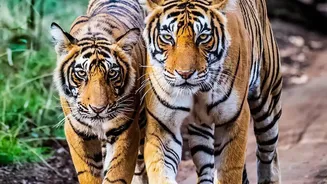
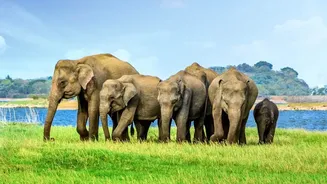
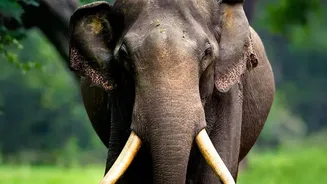
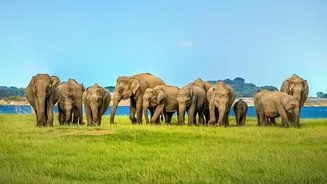
While the one-horned rhinoceros is undoubtedly the star attraction, Kaziranga is also home to the 'Big Five'. This includes the rhino, Royal Bengal Tiger, Asiatic Elephant, Wild Water Buffalo, and Swamp Deer. The park boasts one of the highest tiger densities in the world, though their elusive nature makes sightings a matter of luck. Herds of elephants are a common and magnificent sight, often seen near water bodies. Beyond the large mammals, keep an eye out for smaller creatures like the capped langur, hog deer, and various reptiles. With over 480 species of birds, Kaziranga is a dream destination for avid birders.
Essential Safari Etiquette
To ensure a safe and respectful experience for both visitors and wildlife, it's crucial to follow park regulations. Always maintain silence and avoid loud noises that can disturb the animals. Wear clothes in neutral, earthy tones like khaki, green, or brown to blend in with the natural surroundings; bright colours are not advisable. Do not get down from the jeep unless permitted by your guide at designated points. Feeding or teasing animals is strictly prohibited. It's also important not to litter and to carry back any non-biodegradable waste. Recently, some rules were updated, including potential restrictions on mobile phone use to ensure the animals are not disturbed, so it's always best to check the latest guidelines before your visit.