





Why Monsoon Hydration Is Different
It seems counterintuitive to worry about dehydration when the air is heavy with moisture, but the science is clear. During the monsoon, high humidity prevents sweat from evaporating efficiently. Evaporation is your body’s primary cooling mechanism. When
it’s impaired, your body works harder and loses more fluids and essential salts (electrolytes) trying to regulate its temperature. You might not feel as thirsty as you do on a dry, hot day, but the risk of dehydration is just as real. This can lead to fatigue, headaches, dizziness, and a weakened immune system, making you more susceptible to the season’s other illnesses.
The Meaning of 'Clean' Hydration
In the context of the monsoon, 'clean' is not just a buzzword; it's a critical safeguard. This is the season when water sources are most vulnerable to contamination. Runoff from overflowing drains and sewage systems can seep into pipelines and groundwater, increasing the prevalence of waterborne diseases. Pathogens causing illnesses like typhoid, cholera, hepatitis A, and gastroenteritis thrive in these conditions. Therefore, 'clean hydration' means ensuring that every drop of water, ice, or liquid you consume is free from these harmful microorganisms. It’s about being vigilant about the source and purity of your fluids to protect your gut and overall health.
Your First Line of Defence: Purifying Water
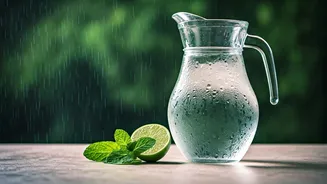
The most reliable way to ensure your water is safe is through purification. The gold standard, accessible to everyone, is boiling. Bringing water to a rolling boil for at least one minute kills most bacteria, viruses, and protozoa. Let it cool completely and store it in clean, covered containers. If you have a water purifier at home, such as an RO (Reverse Osmosis) or UV (Ultraviolet) system, ensure it is serviced and functioning correctly before the monsoon begins. Clogged filters can become breeding grounds for germs. For travel or emergency situations, water purification tablets containing chlorine can be effective, but they should be used exactly as instructed.
Hydrating Beyond Plain Water
Drinking litres of plain boiled water can feel like a chore. The good news is that you can make hydration both safe and enjoyable. Warm herbal infusions are perfect for the damp weather. A cup of tulsi, ginger, or lemon-honey tea not only hydrates but also provides immunity-boosting benefits. Traditional drinks like warm soups, clear broths, and dal pani are excellent for replenishing fluids and electrolytes. A glass of homemade nimbu pani (using boiled or purified water) can restore lost salts. Unsweetened, packaged coconut water is another fantastic option, naturally packed with potassium and other essential minerals.
Foods That Help You Hydrate
Don’t forget that you can eat your water, too. Incorporating water-rich fruits and vegetables into your diet is a delicious way to supplement your fluid intake. While it's wise to be cautious with raw foods during monsoon, thoroughly washed and peeled produce is generally safe. Cucumbers, which are about 95% water, are a great choice. Other hydrating options include steamed vegetables like lauki (bottle gourd) and zucchini. Fruits like apples and pears are also good additions. These foods not only provide water but also deliver essential vitamins and fibre, supporting your overall health.
What to Strictly Avoid This Season
Just as important as knowing what to consume is knowing what to avoid. Steer clear of juices, shakes, and especially crushed ice drinks (*golas* or *chuskis*) from street vendors, as the water and ice used are often of questionable origin. Be wary of pre-cut fruits and salads sold outside, as they may have been washed in contaminated water or exposed to flies. It’s also best to limit carbonated and sugary drinks. While they may seem refreshing, they can often lead to further dehydration and offer no nutritional benefits. When in doubt, always choose a sealed, packaged beverage or, better yet, carry your own bottle of purified water from home.