





Why Snakes Seek Shelter During Monsoon
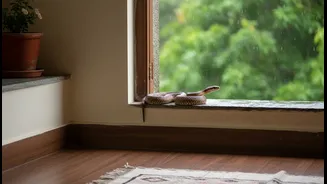
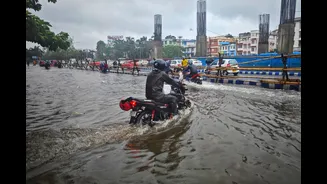
The increase in snake sightings during the rainy season isn't an invasion; it's a matter of survival. Heavy rains flood the burrows, crevices, and termite mounds where snakes typically live. This forces them to search for dry, warm ground, which can often
lead them into gardens, storerooms, garages, and sometimes even houses. Furthermore, the monsoon brings a population boom for frogs, rats, and other small creatures that are a primary food source for snakes. The snakes are simply following their prey, which are also drawn to the shelter of human dwellings.
Know Your Neighbours: India's Common Snakes
India is home to over 270 species of snakes, but only about 60 are venomous. Of these, the majority of medically significant bites are caused by the 'Big Four': the Spectacled Cobra (Naja naja), the Common Krait (Bungarus caeruleus), the Russell's Viper (Daboia russelii), and the Saw-scaled Viper (Echis carinatus). While it's important to be aware of these species, it’s equally important to remember that most snakes you might encounter, like the common Rat Snake, are non-venomous and play a crucial role in controlling rodent populations. Fear often stems from misunderstanding, and recognising that not every snake is a threat is the first step towards a calmer response.
A Fortress Against Fear: Simple Prevention
Making your home less attractive to snakes is the most effective way to avoid an encounter. Start by sealing entry points. Check for and seal any cracks in your foundation, gaps under doors, or openings around pipes and vents using wire mesh or caulk. Keep your surroundings clean and tidy. Remove piles of leaves, wood, or debris where snakes can hide. Since snakes follow their food, controlling rodents is key. Ensure garbage bins are securely covered and don't leave pet food outside. Regularly trim lawns and bushes to reduce cover and improve visibility. Some natural repellents like crushed garlic, or oils of cinnamon and clove, can also serve as a supplementary deterrent due to their strong smells.
If You Encounter a Snake: Stay Calm
The golden rule during a snake encounter is to remain calm and still. Snakes are not inherently aggressive and usually bite only when they feel threatened or provoked. Panicking can startle the snake into a defensive strike. Do not try to catch, corner, or kill the snake. Not only is it dangerous, but snakes are protected under the Wildlife Protection Act of 1972. Slowly back away, maintaining a safe distance, and give it a clear path to escape. Keep children and pets away from the area. If the snake is inside your home and cannot easily exit, the best course of action is to call a professional wildlife rescuer or your local forest department. Keep their numbers handy, especially during monsoon season.
First Aid for a Snakebite: What to Do (and Not Do)
In the unfortunate event of a snakebite, correct first aid can be life-saving. The priority is to get the victim to a hospital with anti-venom facilities as quickly as possible. While waiting for or transporting to medical help, keep the victim calm and as still as possible to slow the spread of venom. Immobilise the bitten limb with a makeshift splint and keep it below the level of the heart. Remove any tight clothing or jewellery like rings and bracelets, as the area is likely to swell. It is crucial to know what not to do. Do not apply a tight tourniquet, as it can cut off blood flow and lead to amputation. Do not cut the wound or attempt to suck out the venom; these methods are ineffective and cause more harm. Avoid giving the victim any food, alcohol or medication. The only proven cure for a venomous snakebite is anti-venom administered by a medical professional.