








The Mind Takes Centre Stage
Perhaps the most significant expansion in India's wellness conversation is the growing focus on mental and emotional health. Once a taboo subject, mental well-being is now increasingly recognized as a cornerstone of a healthy life, with more open discussions
about stress, anxiety, and burnout. This shift is visible everywhere: in workplaces launching mental health support programs, in the rising popularity of meditation and mindfulness apps, and in a younger generation that is actively seeking therapy and destigmatizing mental healthcare. While a significant gap in access to care remains, the conversation has moved from ignoring the issue to actively addressing it, with an understanding that mental resilience is crucial for the nation's overall progress.
The New Priority: Sleep Hygiene
The old belief that long work hours were a badge of honour is slowly giving way to a new understanding: quality sleep is non-negotiable. The concept of 'sleep hygiene'—practices and habits necessary for good quality sleep—is gaining traction. Health experts and a growing body of research now emphasize that 7-8 hours of undisturbed sleep is vital for everything from immune function and cardiovascular health to cognitive performance and mood regulation. As a result, discussions around health are no longer just about what happens during the day. They now include creating a restful environment, limiting blue light exposure before bed, and establishing consistent sleep schedules as critical components of a healthy lifestyle. This awareness is a direct response to the rising tide of sleep disorders and the recognition that poor sleep has serious consequences for both physical and mental health.
Movement as Medicine, Not Punishment
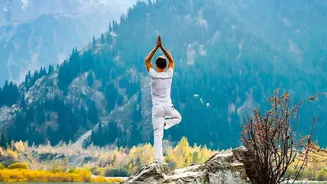
The perception of fitness is also evolving. While weight loss remains a goal for many, exercise is increasingly framed as a tool for overall vitality. The focus is shifting from high-intensity, punishment-style workouts to more sustainable and mindful forms of movement. Practices like yoga, functional fitness, Pilates, and mobility training are seeing a surge in popularity, especially in urban centres. The goal is less about achieving a certain look and more about feeling good, managing stress, improving mental clarity, and ensuring long-term health and mobility. This is complemented by a revival of traditional Indian wellness practices, blending ancient wisdom like yoga with modern science to create a balanced approach.
The Rise of the Digital Detox
In one of the world's largest and most engaged digital markets, a counter-trend is emerging: the digital detox. With screen time linked to a rise in anxiety, sleep disturbances, and a drop in productivity, there is a growing recognition that digital wellness is a critical part of modern health. This is taking many forms, from individuals setting personal boundaries with their devices to attending dedicated digital detox retreats that focus on recalibrating the nervous system. It is no longer seen as a fringe trend but as a necessary strategy for maintaining mental focus and emotional balance in a hyper-connected world.
Wellness Goes to Work
This holistic view of health is also transforming the corporate world. Companies are realising that employee well-being is directly linked to productivity and retention. Corporate wellness programs are expanding far beyond basic health check-ups and gym memberships. Modern programs now often include robust mental health support, stress management workshops, mindfulness training, and resources for maintaining a healthy work-life balance. This reflects a broader understanding that a healthy workforce is built on supporting employees' physical, mental, and emotional needs in an integrated way.