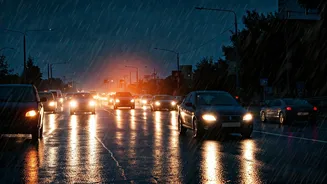









The Urban Obstacle Course
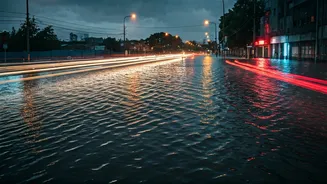
For millions in Indian cities like Mumbai, Delhi, and Bengaluru, the monsoon brings a mix of relief from the summer heat and a host of commuting challenges. Streets transform into canals, traffic slows to a crawl, and public transport systems are pushed
to their limits. Recent downpours in Mumbai, for instance, led to significant waterlogging, causing train delays and bus diversions, leaving countless commuters stranded. This annual struggle is a shared experience, where a journey that usually takes 30 minutes can stretch into hours. The primary culprits are outdated drainage systems unable to cope with intense rainfall and the sheer volume of traffic on the roads.
Before You Leave Home
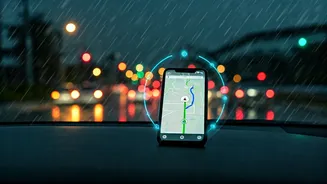
A smarter commute begins before you even step out the door. The first rule of monsoon travel is to be informed. Check real-time weather forecasts and traffic updates on apps like Google Maps. Many city traffic police departments now provide live updates on social media, which can be invaluable for identifying waterlogged areas and major bottlenecks. Planning an alternative route or two is a wise strategy. If possible, consider adjusting your travel time to avoid the peak rush hour, when public transport is most crowded and roads are at their most congested. A little planning can save you from the worst of the delays.
Tips for Car and Bike Riders
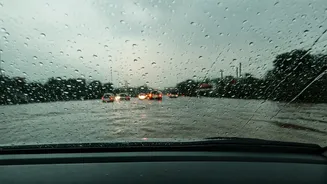
If you are driving, a pre-monsoon vehicle check is non-negotiable. Ensure your tyres have adequate tread depth (at least 2-3mm) to avoid skidding on slippery roads. Your brakes, wipers, and all lights must be in perfect working condition, as visibility is often poor and braking distances increase on wet surfaces. When on the road, the golden rule is to drive slowly and maintain a safe distance from the vehicle ahead. Avoid driving through waterlogged streets whenever possible. It's often difficult to gauge the water's depth, and submerged potholes or debris can cause significant damage. If your engine stalls in water, do not try to restart it, as this can lead to severe engine damage.
Navigating Public Transport
For those relying on buses, metros, and local trains, the monsoon demands patience and preparation. Services are frequently delayed or diverted due to waterlogging on roads and tracks. To make the journey more bearable, try to board from less crowded stations and factor in extra buffer time. Keeping your electronics like phones and laptops in waterproof bags or pouches is essential. Elevated metro lines are often a more reliable option compared to road-based transport during heavy downpours. Many commuters adopt a practical approach by carrying a change of clothes and footwear to the office.
Your Monsoon Commuter Kit
A well-packed bag can be your best defense against the monsoon. Key essentials include a sturdy, wind-resistant umbrella and a lightweight raincoat or poncho. Waterproof footwear with good grip is a must to navigate slippery, uneven surfaces. A power bank is crucial, as power cuts can be common and long delays can drain your phone's battery. It's also wise to carry a small towel, hand sanitiser, and some non-perishable snacks and a water bottle in case you get stuck for an extended period. Finally, a waterproof bag or even simple zip-lock pouches will protect your wallet, documents, and gadgets from the rain.