



A Conservation Success Story with a Catch
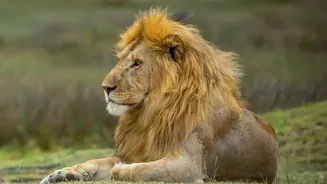
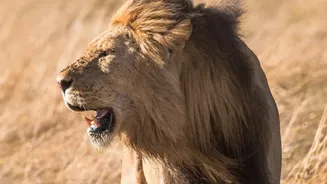
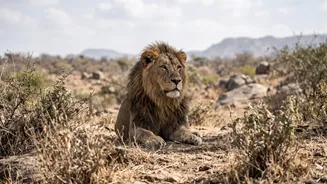
The comeback of the Asiatic lion is a celebrated chapter in India's conservation history. From a perilously low number of individuals a century ago, the population has grown to over 674 according to the 2020 census. This success, however, has led to a new
challenge: Gir is overflowing. The lions, once confined to the national park, now roam across an expansive 30,000 square kilometre area in the Saurashtra region. This dispersal brings them into closer contact with human settlements, increasing the risk of conflict and accidents. More critically, having the world's only wild population of a species in one location is a dangerous gamble. A single epidemic, like the canine distemper virus that caused deaths in 2018, or a natural disaster could have devastating consequences for the entire species.
Enter Barda: A Home Away From Home
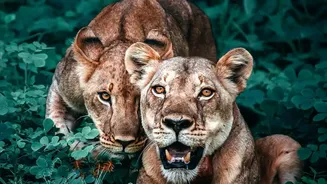
For years, conservationists have advocated for establishing a second, geographically separate population to mitigate these risks. While the Kuno National Park in Madhya Pradesh was identified by the Supreme Court for this purpose back in 2013, the translocation from Gujarat is yet to happen. In the interim, Barda Wildlife Sanctuary, located about 100 kilometres from Gir, has emerged as a promising alternative within the state. After an absence of nearly 144 years, lions are naturally returning to this landscape. The process began with a male lion naturally dispersing to the area in January 2023, followed by the strategic introduction of five females by the Gujarat Forest Department to establish a new population.
What the New Study Confirms
A recent scientific study, published in the journal 'PLOS One' and titled 'Beyond Gir: Barda Wildlife Sanctuary as a Potential Stronghold for Asiatic Lions', has provided crucial validation for this move. Researchers radio-collared six lions in Barda and tracked them from January 2023 to July 2025, collecting over 169,000 GPS locations to understand their behaviour. The study found that the 192-square-kilometre sanctuary provides suitable habitat, with the lions actively using its forests and grasslands. It also examined their diet, finding a strong reliance on wild prey, especially wild pigs, which made up 55% of their food. These findings suggest Barda has the right ecological conditions to support a sustainable, long-term lion population.
Strengthening the Sanctuary
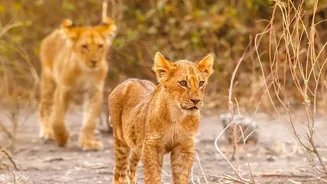
The establishment of this second home isn't being left to chance. As part of Project Lion, a national conservation initiative, Barda is being actively developed to support the big cats. A key focus is augmenting the prey base. The Gujarat Forest Department has been translocating animals like chital (spotted deer) and sambar from Gir and also running captive breeding programmes to ensure there is enough food for the growing lion pride. As of October 2026, the sanctuary is already home to a budding population of 17 lions, including six adults and 11 cubs. The forest department has also deployed lion trackers to monitor the animals' health and movements, helping to manage this new chapter in their history.
The Path Forward
While the developments in Barda are a significant step, experts note that it may not be the final answer. Some conservationists argue that its close proximity to Gir—just 100 km—doesn't provide sufficient geographical separation to protect against a widespread disease outbreak. The original plan to move lions to Kuno in another state remains an important long-term goal for ensuring genetic diversity and risk mitigation. Nonetheless, the establishment of a satellite population in Barda is a vital buffer. It alleviates pressure on the crowded Gir landscape and serves as a testament to proactive conservation. Protecting such habitats and the corridors that connect them is now essential for the lions' long-term survival.