


Nagaland’s Hornbill Festival, the ‘Festival of Festivals,’ is a vibrant showcase of culture. As the December 2026 dates approach, planning is key. Here’s your essential guide to navigating the celebration at Kisama Heritage Village.
The Festival of Festivals: What It Is
The Hornbill Festival
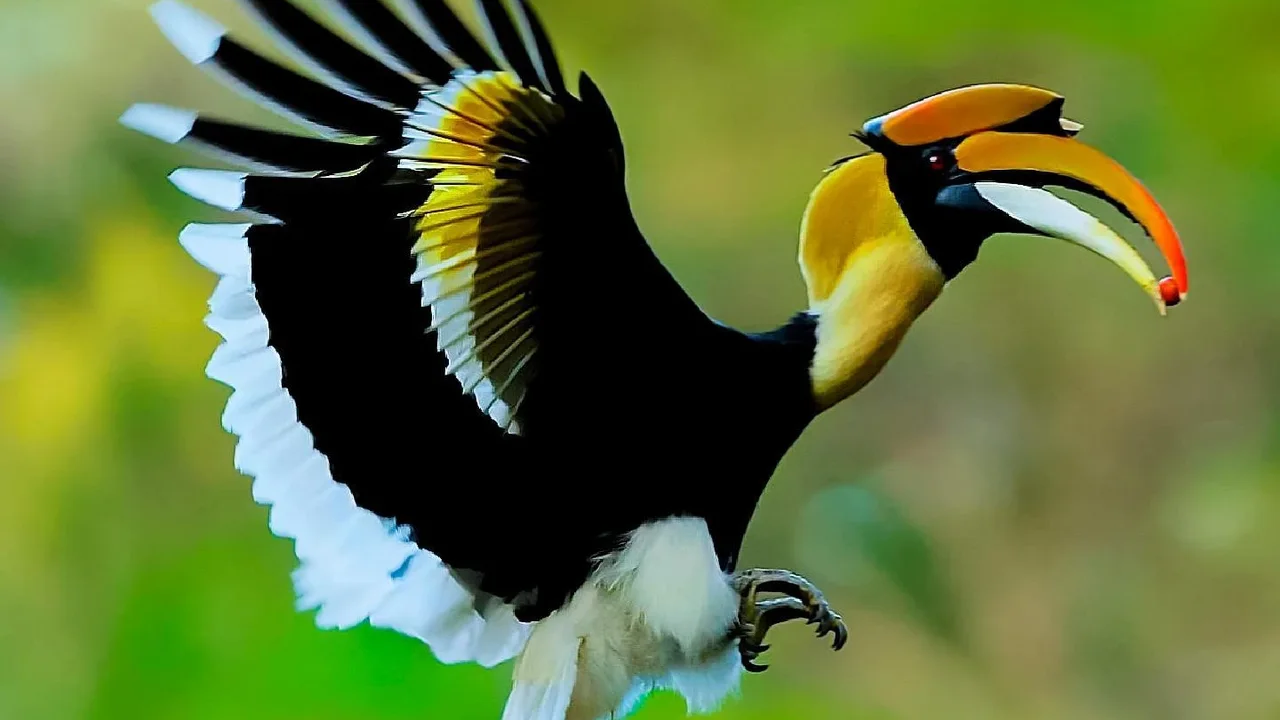
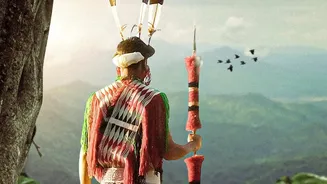
is an annual ten-day event that brings together all the tribes of Nagaland to celebrate their rich cultural heritage. Organised by the state government since 2000, it’s a rare opportunity to witness the unique traditions, dances, music, and customs of the Naga people in one place. Named after the revered forest bird that features in tribal folklore, the festival is a kaleidoscope of colour, sound, and tradition, held at the specially built Kisama Heritage Village.
Dates, Venue, and Timings
The Hornbill Festival is held annually from December 1 to 10, and the 2026 dates are confirmed for this period. The main venue is the Naga Heritage Village in Kisama, located about 12 kilometres south of Nagaland's capital, Kohima. Daily cultural events at the main arena typically run from 9 AM to the late afternoon. In the evenings, the action often shifts to Kohima for events like the Hornbill Music Festival and a bustling night carnival.
Essential Paperwork: Your Entry Permit
Visiting Nagaland requires a permit for all non-residents. Indian tourists need an Inner Line Permit (ILP), while foreign nationals require a Protected Area Permit (PAP). The easiest way to get an ILP is by applying online through the official Nagaland government portal a week or two before your trip. You'll need a photo and a government ID like an Aadhaar card. Offline permits are also available at Nagaland House locations in major cities like Delhi and Kolkata, but applying online is recommended to avoid queues during the festival rush.
How to Reach Kisama
The primary gateway to Nagaland is Dimapur, which has the state's only airport and major railway station. Dimapur is connected by flights from major cities like Kolkata and Delhi. From Dimapur, it's a scenic but often winding road journey of about 70–80 kilometres to Kohima, which takes around three hours. Kisama Heritage Village is another 12 kilometres from Kohima. During the festival, traffic between Kohima and Kisama can be heavy, so plan for delays. Taxis and shared sumos are the standard modes of transport.
Accommodation: Book Well in Advance
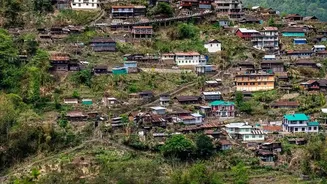
Accommodation is one of the most critical aspects of planning your trip, as hotels and homestays get booked out months in advance. You have three main options: staying in a hotel in Kohima for more amenities, choosing a homestay in a nearby village like Kigwema for a more authentic experience, or opting for one of the many tented camps set up near Kisama. Camps like Camp Hornbill offer pre–pitched tents, meals, and a festive atmosphere with bonfires and live music, often within walking distance of the festival grounds. Staying near Kisama helps avoid the daily traffic to and from Kohima.
What to See and Do at the Festival
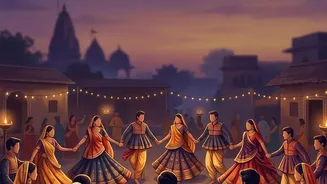
The festival is a sensory overload in the best way. The main arena hosts spectacular cultural performances, with different Naga tribes showcasing their traditional dances and songs in full ceremonial attire. Beyond the stage, a must–do is exploring the 'morungs'—traditional tribal houses representing each community. Here, you can interact with the tribes, learn about their customs, and often get invited to share a cup of local rice beer, or 'zutho'. Don't miss the Naga wrestling, chilli–eating competitions, and the bustling handicraft stalls selling beautiful woven shawls and beadwork.
A Taste of Nagaland: The Food
The festival is a paradise for adventurous foodies. Each morung and numerous food stalls offer a chance to sample authentic Naga cuisine. Signature dishes include smoked pork with bamboo shoot, dishes made with 'axone' (fermented soybean), and chutneys made from the fiery Naga king chilli. While meat, particularly pork, is central to the cuisine, you can also find other options. It’s an integral part of the cultural experience.
Cultural Etiquette and Travel Tips
Respectful tourism is key to a rewarding experience. Always ask for permission before taking photographs of people, and gracefully accept if they decline. It's advisable to dress modestly, and packing warm layers is essential as December evenings in the Naga hills are cold. Carry enough cash, as ATMs may be scarce and digital payments unreliable. Above all, approach interactions with curiosity and respect; the Naga people are known for their warm hospitality.