







The Health Halo Deception
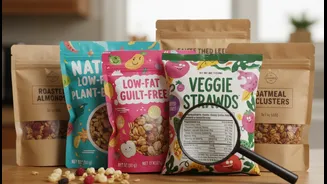
You see 'High Protein' on a colourful wrapper and instantly feel good about your choice. This is known as the 'health halo effect'. Brands know that highlighting protein makes a product seem virtuous, distracting from other, less desirable ingredients.
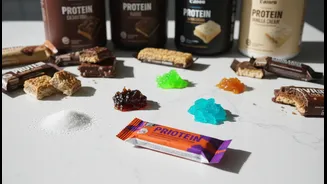
Many protein bars are, in reality, ultra-processed foods, sometimes containing as much sugar and as many calories as a candy bar. A recent audit of protein bars sold in India found that very few were genuinely sugar-free, with many using misleading labels to hide sweeteners. These products might give you a quick protein hit, but they often lack the broader nutritional benefits of whole foods, such as essential vitamins, minerals, and healthy fats.
The Many Names for Sugar
One of the biggest culprits in protein snacks is hidden sugar. While a bar might claim 'no added sugar', this can be deceptive. Manufacturers often use other forms of sweeteners like brown rice syrup, corn syrup, agave nectar, honey, or fruit juice concentrate. These all act like regular sugar in your body, potentially leading to blood sugar spikes and crashes. Sugar can be listed under dozens of names, so if you see ingredients ending in '-ose' (like dextrose or maltose) or various syrups high on the list, it's a red flag. Aim for bars with 5 grams of added sugar or less per serving to ensure your healthy snack isn't a dessert in disguise.
Beware of Fillers and Fats
To improve taste and texture, many protein bars contain artificial additives, preservatives, and unhealthy fats like palm oil. Some also use sugar alcohols like maltitol and erythritol. While these reduce the official sugar count, they can cause digestive issues like bloating and gas for many people. Furthermore, some bars use synthetic or added fibres instead of the natural fibre you'd get from whole food ingredients like oats, nuts, and seeds. A long, unpronounceable ingredient list is often a sign that the bar is heavily processed. The best bars have short ingredient lists featuring real foods you can recognise.
How to Choose a Genuinely Healthy Bar
When you need the convenience of a bar, becoming a smart label-reader is key. First, look at the protein content; a good snack bar should have at least 10 grams. Then, check the ratio of protein to sugar; ideally, a bar should have more grams of protein than sugar. Look for at least 3 to 5 grams of fibre from natural sources like whole grains, nuts or seeds, which will help keep you full. The source of protein also matters. High-quality sources include whey, casein, or plant-based proteins from peas, brown rice, or nuts. Ultimately, if the ingredient list looks more like a chemistry experiment than a recipe, it’s best to leave it on the shelf.
Quick and Easy Whole Food Alternatives
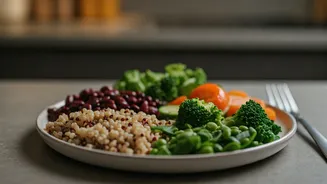
While a well-chosen bar can be useful, whole foods are almost always a better option. They provide a wider range of nutrients without the processing and additives. For a quick and portable protein boost, consider a handful of almonds or walnuts, a hard-boiled egg (which contains about 6 grams of protein), or a serving of Greek yogurt (which can pack 15-20 grams of protein). Other excellent choices include cottage cheese with fruit, roasted chickpeas, or edamame. These options provide sustained energy and keep you feeling full and focused, without the risk of a sugar crash or digestive distress from artificial ingredients.