




What is a Raw Food Diet?
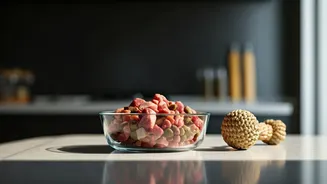
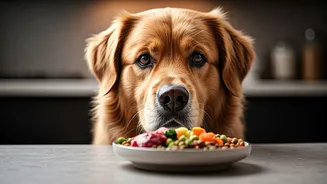
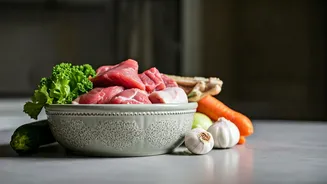
A raw food diet for pets, often called a BARF (Biologically Appropriate Raw Food) diet, is exactly what it sounds like: a diet centered on uncooked ingredients. Proponents aim to mimic what a dog or cat's ancestors might have eaten in the wild. A typical
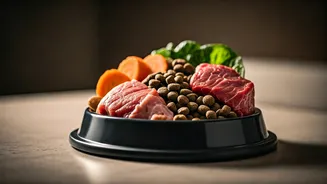
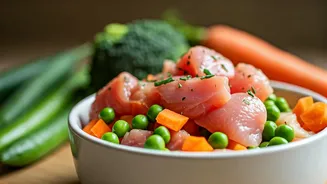
raw meal includes uncooked muscle meat, organ meats like liver and kidney, edible bones, and sometimes a small portion of fruits, vegetables, and seeds. The philosophy is that this minimally processed food provides nutrients in their most natural state, free from the high heat of commercial kibble production which can degrade some vitamins and enzymes.
The Purported Benefits
Advocates for raw feeding point to a host of potential benefits, many of which are driving the trend's popularity. The most commonly cited advantages include a shinier coat and healthier skin, attributed to the high levels of natural fats in the diet. Many owners also report higher energy levels, cleaner teeth from the mechanical action of chewing on raw bones, and improved digestion leading to smaller, less odorous stools. The high moisture content in fresh, raw food is also seen as a plus for hydration and overall kidney health.
The Significant Risks and Vet Concerns
Despite the claimed benefits, major veterinary bodies like the American Animal Hospital Association (AAHA) and the Canadian Veterinary Medical Association (CVMA) advise against raw feeding due to significant health risks. The primary concern is bacterial contamination. Raw meat can harbour dangerous bacteria like Salmonella, E. coli, and Listeria, which pose a threat not only to the pet but also to humans in the household through cross-contamination. Another major risk is nutritional imbalance. Homemade raw diets, if not formulated with expert guidance, can lack crucial vitamins and minerals or have incorrect calcium-to-phosphorus ratios, potentially leading to bone density issues or other serious health problems over time. There is also the physical danger of whole bones, which can cause choking, broken teeth, or internal punctures.
The Indian Reality: A Unique Set of Challenges
In India, the risks associated with raw feeding are amplified by several local factors. The country's hot and humid climate creates a fertile breeding ground for bacteria, making safe storage and handling of raw meat particularly challenging. Inconsistent power supply and refrigeration can compromise the 'cold chain' from supplier to bowl, increasing spoilage risk. Furthermore, India's regulations for pet food, particularly raw meat, are minimal and not strictly enforced compared to international standards. The Bureau of Indian Standards (BIS) has set voluntary guidelines (IS 11968:2019), but compliance is not mandatory for domestic products, leaving quality control largely up to the manufacturer. This makes it difficult for pet parents to verify the safety and quality of the meat they are sourcing, especially from local butchers where hygiene standards can be inconsistent.
Making an Informed Choice
For Indian pet parents considering this path, the decision requires extreme diligence. The first and most critical step is to consult with a veterinarian or a certified canine nutritionist who can assess your pet's specific health needs. If you decide to proceed, sourcing becomes paramount. Look for reputable suppliers who can provide proof of hygienic processing and have an unbroken cold chain. Some commercial raw food companies in India now offer human-grade meat and operate from FSSAI-licensed facilities, which can be a safer, albeit more expensive, option. Strict kitchen hygiene is non-negotiable: use separate utensils, wash hands and surfaces thoroughly, and store raw pet food away from human food. Given the risks, some pet parents in India opt for a middle ground, such as gently cooked homemade food, which eliminates the pathogen risk while still offering the benefits of a fresh diet.