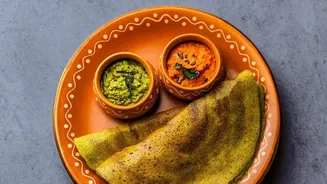





The traditional dosa, a crispy fermented crepe, is a beloved South Indian breakfast. But a modern, health-conscious cousin is gaining popularity: the oats dosa. This twist swaps some or all of the rice and lentils for nutrient-packed oats.
What Exactly Is an Oats Dosa?
At its core,
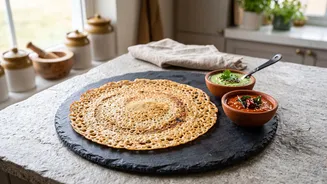
an oats dosa is a savoury Indian crepe where the primary ingredient is oats. Unlike the traditional dosa, which relies on a carefully fermented batter of rice and urad dal, the oats dosa offers more flexibility. It exists in two main forms: a traditional fermented version and a popular instant version. The instant variety, which requires no soaking or fermenting, has become a favourite for quick, healthy meals. This version typically combines powdered oats with rice flour and semolina (rava/sooji) to achieve a crispy, lacy texture reminiscent of a rava dosa.
The Rise of a Healthy Alternative
The popularity of oats dosa is driven by a growing desire for healthier eating habits. Oats are celebrated for being rich in fibre, particularly beta-glucan, which helps you feel full longer and can aid in managing blood sugar levels and cholesterol. This makes oats dosa a compelling option for those focused on weight management or diabetic-friendly diets. A typical plain rice dosa contains around 104-140 calories, while an oats dosa is comparable at about 111 calories but with the added benefit of more dietary fibre. The biggest draw for many, however, is convenience. The instant version can be ready in about 20-30 minutes, sidestepping the extensive planning required for traditional dosa batter.
Two Paths to Perfection: Instant vs. Fermented
The 'instant' oats dosa is the most common preparation. It starts with dry-roasting and powdering rolled oats. This oat flour is then mixed with rice flour for crispiness, semolina for a lacy texture, and curd or yoghurt for a slight tang that mimics fermentation. Spices like cumin seeds, ginger, green chillies, and fresh coriander are added to a thin, watery batter. This batter is rested for just 15-30 minutes before being poured onto a hot pan to form a thin, crisp crepe. The fermented version is closer to the classic method. It involves soaking oats along with urad dal (and sometimes other lentils) for several hours, grinding them into a smooth batter, and allowing it to ferment overnight. This method yields a softer, fluffier dosa, similar to a set dosa, and offers the gut-health benefits of fermentation.
Tips for a Flawless Dosa
Achieving the perfect oats dosa comes down to technique. For the instant version, the batter's consistency is key; it should be thin and runny, almost like milk, to get that signature lacy texture. Always stir the batter well before pouring each dosa, as the flour tends to settle. The pan must be sufficiently hot. A common trick is to pour the batter from the outside edges of the pan inward, filling in any gaps. Don't try to spread it like a traditional dosa. Cook it on medium heat until the edges turn golden brown and start to lift on their own. This dosa is best cooked on one side and served immediately to retain its crispness.
Serving and Variations
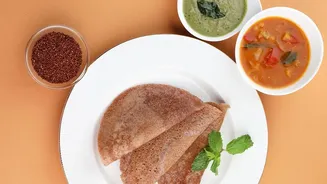
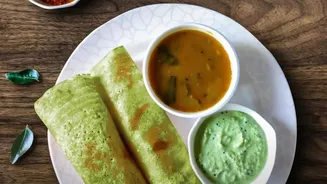
Oats dosa pairs wonderfully with classic South Indian accompaniments like coconut chutney, tomato chutney, and sambar. For a protein boost, you can replace some of the rice flour with besan (gram flour) or serve the dosa with a side of sambar, which is rich in lentils. You can also get creative by adding finely chopped onions, carrots, or curry leaves directly into the batter. Some variations even swap rice flour for ragi (finger millet) flour, creating a darker, earthier dosa with added calcium. Another popular and simple enhancement is to sprinkle a bit of 'podi' (gunpowder spice mix) and a drop of ghee on the dosa while it cooks.