


The Living Magic of Fermentation
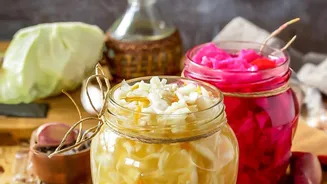
The key to the health benefits of certain Indian pickles lies in an ancient preservation method: lacto-fermentation. This process doesn't involve vinegar. Instead, it uses salt, time, and sometimes sunlight to encourage the growth of naturally occurring
beneficial bacteria, primarily from the Lactobacillus family. These microbes consume the natural sugars in the fruits or vegetables, converting them into lactic acid. This lactic acid not only preserves the pickle and gives it a characteristic tangy flavour but also creates a thriving environment for these probiotic, or 'good', bacteria. Essentially, the jar of pickle becomes a living ecosystem that can contribute positively to your body's own microbial community.
Not All Pickles Are Created Equal
It is crucial to understand that not every jar of achaar on the shelf is a source of probiotics. The distinction comes down to the preparation method. Many commercially produced pickles today use vinegar and pasteurisation (a heating process) to ensure a long shelf life and consistent flavour. While effective for preservation, both vinegar and heat can inhibit or destroy the delicate live bacteria that provide probiotic benefits. The pickles that truly deliver on the gut health promise are those made in the traditional, unpasteurised, salt-cured style where fermentation is the primary method of preservation. These are often made in small batches or at home, following generational recipes.
A Tour of India’s Probiotic Pickles
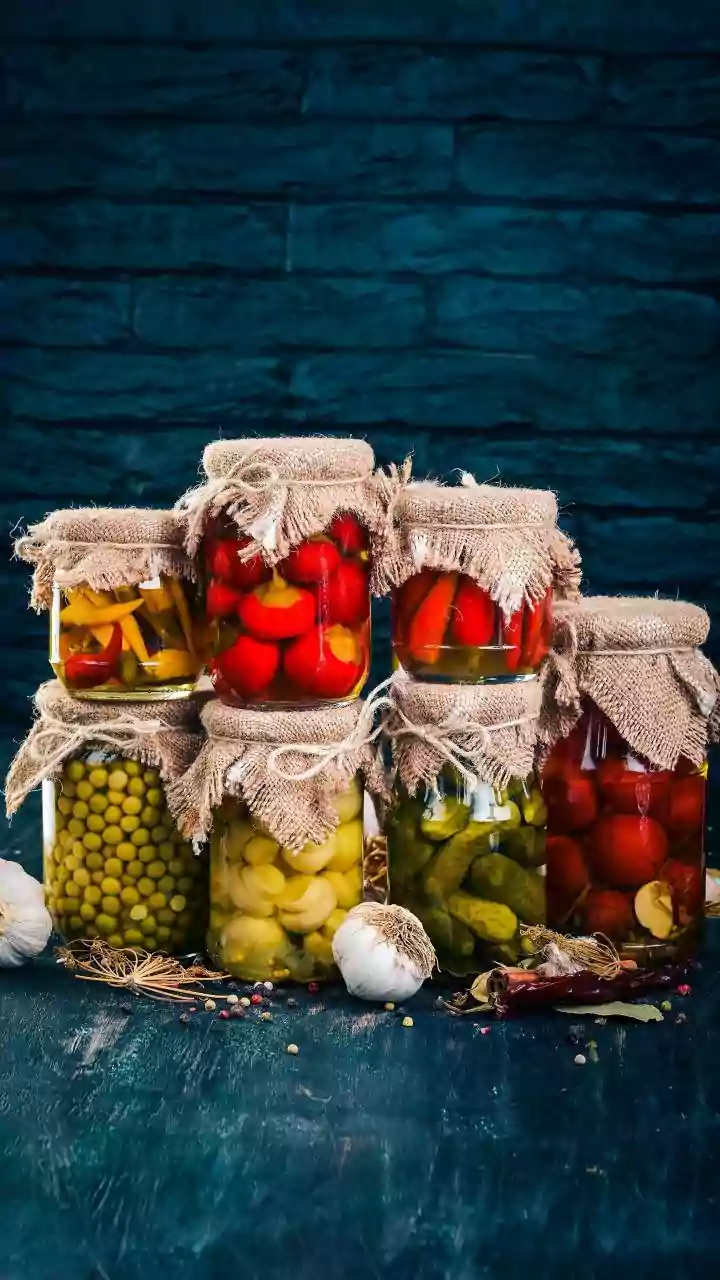
India's diverse culinary landscape offers a wide variety of fermented pickles. In the South, the Andhra Avakaya, a raw mango pickle, is famously made by letting mango pieces ferment in a base of mustard powder and oil. Similarly, the traditional lemon pickle, found across India, often relies on salt-curing in the sun, which allows for natural fermentation before oil and spices are added. In the North-East, fermented bamboo shoot pickle is a regional staple. Even some vegetable preparations like Gajar ki Kanji, a fermented drink made with black carrots and mustard seeds, can be considered a form of liquid pickle rich in probiotics. Others like traditional amla (gooseberry), garlic, and green chilli pickles can also be probiotic if prepared without vinegar.
The Gut Health Connection
So, why is a healthy gut important? The community of microorganisms in your digestive system, known as the gut microbiome, plays a vital role in everything from digestion and nutrient absorption to immune function. Studies have shown that the Lactobacillus strains found in traditionally fermented vegetables have genuine probiotic potential, meaning they can survive the journey through the stomach to benefit the gut. Introducing probiotics through foods like fermented achaar can help maintain a diverse and balanced gut microbiome. This can aid digestion, reduce issues like bloating, and support a robust immune system, given that a significant portion of our immune cells reside in the gut.
How to Choose and Enjoy Your Pickle
To reap the probiotic benefits, it's important to be a discerning consumer. When buying pickles, look for labels that indicate they are 'naturally fermented' and check the ingredient list to ensure it doesn't contain vinegar. Opting for homemade or artisanal brands that use traditional methods is often your best bet. Remember, a little goes a long way. A small spoonful of achaar with your meal is enough to add a burst of flavour and a dose of gut-friendly bacteria. Think of it not as a standalone health fix, but as a delicious and functional part of a varied, fibre-rich diet that supports overall well-being.