


The High Cost of Going Electric
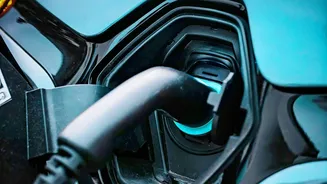
For years, the dream of owning an electric vehicle in India has been challenged by the reality of its price tag. A significant portion of an EV’s cost is its battery pack, which has historically relied on lithium-ion technology. These batteries depend
on materials like lithium and cobalt, whose prices are volatile and supply chains are often concentrated in a few countries. This reliance creates not just high costs for consumers but also a strategic vulnerability for India, which imports the vast majority of its lithium. This economic and geopolitical tightrope has made the path to affordable mass-market EVs a steep climb.
Enter Sodium: The Abundant Alternative
This is where sodium-ion battery technology comes in as a potential game-changer. The basic principle is similar to lithium-ion batteries, involving the movement of ions to store and release energy. The crucial difference is the core material: sodium, an element that is over 500 times more abundant than lithium and can be sourced cheaply from common salt. This incredible abundance is the primary driver of its cost advantage. Furthermore, sodium-ion batteries can often be manufactured using existing lithium-ion production infrastructure, which could help manufacturers scale up production more quickly and cost-effectively.
The 'Make in India' Advantage
Sodium-ion technology aligns perfectly with India's goal of 'Atmanirbhar Bharat' or self-reliance. Several Indian companies and research institutions are making significant strides in this domain. Reliance Industries, through its acquisition of UK-based Faradion, plans to build a giga factory in Jamnagar to commercialise the technology. Pune-based KPIT Technologies has also developed its own sodium-ion battery technology, which it is commercialising with Trentar Energy Solutions. Other innovators like Indi Energy are even using agricultural waste to produce a key component for sodium-ion batteries, creating a uniquely circular and sustainable domestic supply chain. This local development not only reduces import dependency but also fosters a new ecosystem of high-tech manufacturing in the country.
Weighing the Pros and Cons
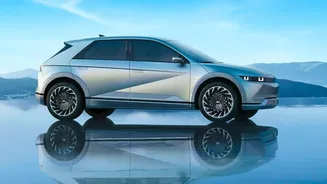
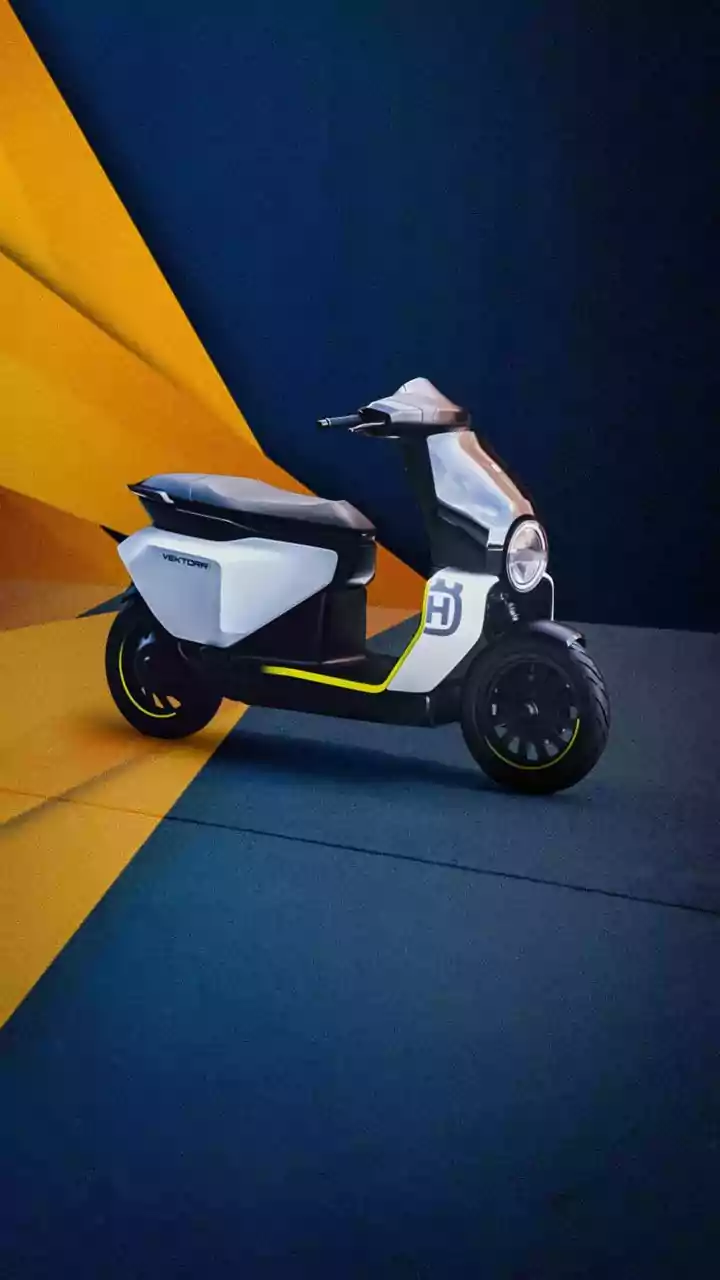
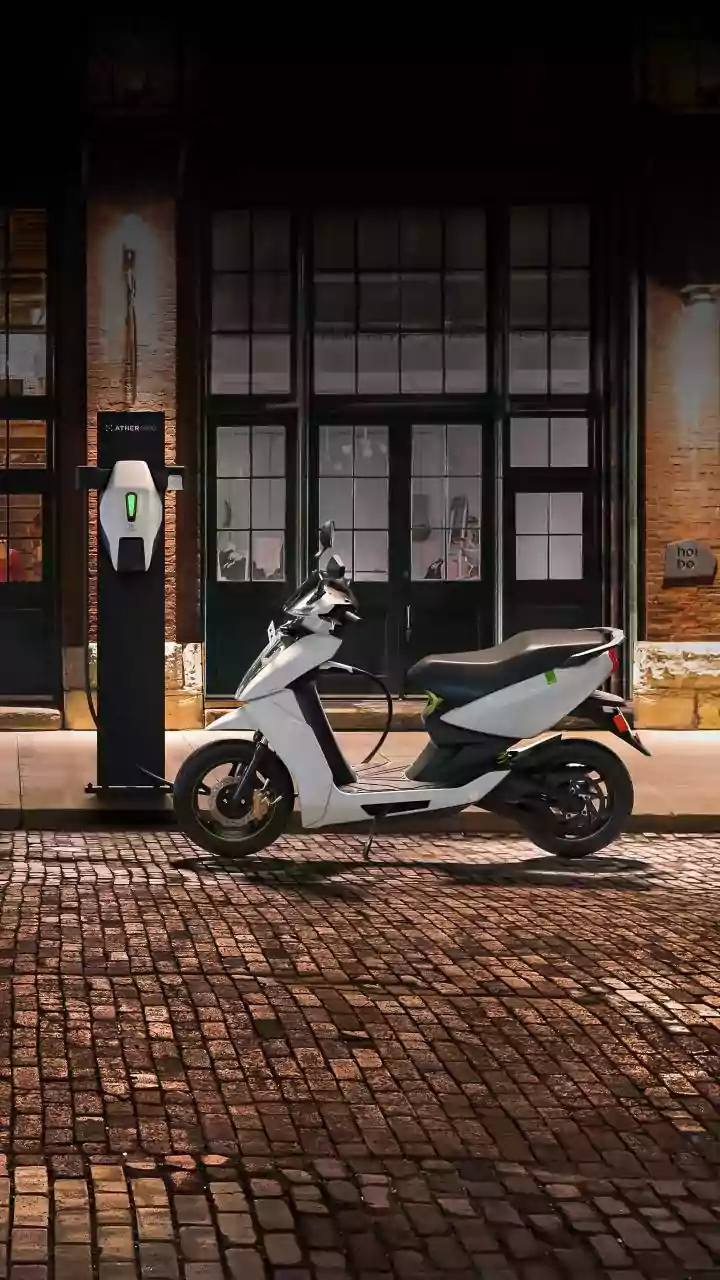
While the cost and resource advantages are compelling, sodium-ion technology does have trade-offs. The most significant is lower energy density compared to most lithium-ion chemistries. This means a sodium-ion battery of the same size and weight stores less energy, which translates to a shorter range for an EV. For this reason, initial applications are likely to be focused on electric two-wheelers, three-wheelers, and commercial vehicles used for shorter, predictable routes rather than long-range passenger cars. However, the technology is rapidly improving. Researchers are continuously enhancing energy density, and these batteries already boast advantages like better safety, thermal stability, and faster charging capabilities in some cases.
When Can We Expect Cheaper EVs?
The transition won't happen overnight, but the wheels are already in motion. Several experts project that large-scale deployment of sodium-ion batteries in India could begin between 2026 and 2028. Reliance has stated its goal to commence battery manufacturing by 2026. Initially, these batteries will likely find their way into stationary energy storage (like for solar grids) and smaller vehicles such as e-scooters and e-rickshaws, where the lower energy density is less of a concern. As the technology matures and energy density improves, their application in passenger cars will become more viable. The cost savings are expected to be substantial, with some estimates suggesting sodium-ion batteries could be 15-40% cheaper than their lithium-ion counterparts.