





Keep Paws Clean and Dry
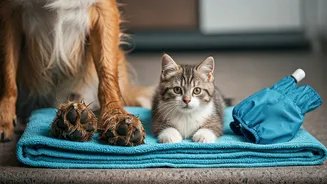
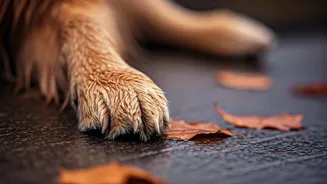
Your pet’s paws are their first point of contact with the damp, dirty world outside. Puddles in our cities and towns are often contaminated with everything from bacteria to chemical runoff. After every walk, no matter how short, make it a habit to wash
your pet’s paws with lukewarm water and a mild pet-safe antiseptic. Most importantly, dry them thoroughly, paying special attention to the area between the toes. Lingering moisture can lead to painful fungal and bacterial infections.
Adjust Their Diet and Hydration
Just like us, pets can suffer from digestive issues during the monsoon due to increased humidity and exposure to pathogens. Ensure your pet always has access to fresh, clean, boiled water. Avoid letting them drink from puddles or stagnant water sources, which are breeding grounds for diseases like leptospirosis and giardiasis. You may notice a slight decrease in their appetite; this is normal. Consider giving them lighter, easily digestible meals. Avoid feeding them raw food during this season, as the risk of bacterial contamination is higher.
Battle the Bugs: Ticks and Fleas
The damp, humid weather is a paradise for parasites. The population of ticks, fleas, and mosquitoes explodes during the monsoon, bringing with them the risk of tick fever, heartworm, and other vector-borne diseases. Be extra vigilant with your pet's regular anti-tick and flea treatment. Consult your vet about the best preventative measures, which could include spot-on treatments, medicated collars, or oral tablets. Check your pet’s coat for any crawlies after they've been outside or interacted with other animals.
Manage Thunder and Lightning Anxiety
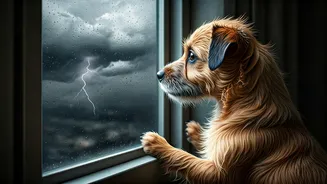
The loud claps of thunder and flashes of lightning can be terrifying for many pets, especially dogs. This can lead to anxiety, which may manifest as hiding, excessive barking, trembling, or destructive behaviour. Create a safe, comfortable den for them in a quiet corner of the house. Keep windows and curtains closed to muffle the sound and block the light. Playing calming music or leaving the TV on can also help. Most importantly, remain calm yourself. Your pet looks to you for cues, and your relaxed demeanor will reassure them.
Rethink Your Walking Routine
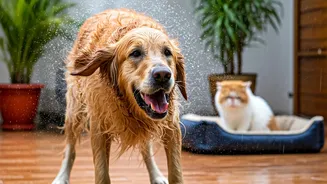
Navigating waterlogged streets is a major monsoon hazard. Puddles can hide open manholes, sharp objects, or even live wires from fallen poles. Try to stick to shorter, more frequent walks during breaks in the rain. Invest in a good quality raincoat for your dog to keep their core dry and reduce the post-walk cleanup. Always keep your pet on a leash to prevent them from running into dangerous areas or getting into fights with stray animals, who may be more territorial and stressed during this time.
Prioritise Indoor Enrichment
With outdoor playtime reduced, your pet might get bored and restless. Prevent this by increasing indoor activities. Engage them with puzzle toys, play a game of fetch in a long hallway, or practise some basic training commands. Scent work, where you hide treats around the house for them to find, is a fantastic way to stimulate their mind and burn off excess energy without ever stepping outside.
Watch for Warning Signs
Stay alert for any signs of illness. Common monsoon ailments include skin allergies (redness, itching, rashes), ear infections (head shaking, discharge), and stomach bugs (vomiting, diarrhoea). If your pet seems lethargic, loses their appetite, or shows any unusual symptoms, don't wait. A quick consultation with your veterinarian can prevent a minor issue from becoming a major health crisis. Ensure their vaccinations, especially for leptospirosis, are up to date before the season begins.