





The Roll-Top Advantage
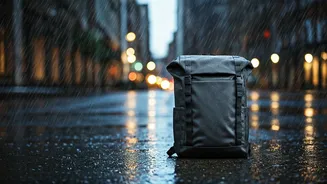
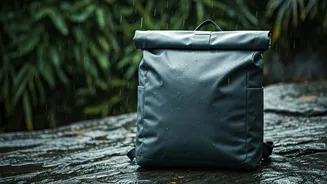
Unlike a traditional zippered backpack, a roll-top pack features a simple, effective closure system borrowed from waterproof dry bags used in water sports. [19, 22] The top section of the bag is rolled down several times and then secured with a buckle
or clips. [19, 22] This action creates a remarkably tight seal that is far more effective at keeping water out than a standard zipper. [11, 17] Zippers, even those with protective flaps, have tiny gaps between the teeth that can let water seep in during a heavy or sustained downpour. [12, 15] A roll-top closure eliminates this fundamental weak point, making it a mechanically superior design for wet conditions. [11, 22]
Water-Resistant vs. Waterproof: A Critical Distinction
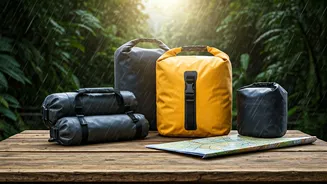
It's important to understand the terminology brands use. 'Water-resistant' means the fabric can repel light rain or splashes for a limited time, but will eventually get soaked in a downpour. [3, 6, 12] 'Waterproof' means the bag is designed to be completely impervious to water, even when briefly submerged. [2, 6] Most roll-top bags are highly water-resistant and perfectly suitable for daily monsoon commutes. [20] A truly waterproof bag often involves additional features like welded seams (where fabrics are fused with heat instead of stitched) and waterproof-coated materials like TPU or PVC. [2, 7, 8] For most people, a well-made, water-resistant roll-top pack provides the ideal balance of protection, usability, and cost for navigating the city during the rainy season. [3, 4]
What to Look For: Key Materials and Features
When choosing a roll-top pack for the monsoon, the material is paramount. Look for synthetic fabrics like nylon or polyester with a water-repellent coating, such as polyurethane (PU). [3, 5] These materials are lightweight, durable, and effective at shedding water. [14] While some premium bags use advanced laminates like X-Pac or TPU-coated nylon for even greater protection, a coated polyester or nylon is sufficient for most urban needs. [5, 8] Beyond the fabric, check for sealed or taped seams, which cover the stitching holes to prevent leaks. [7, 12] Also consider the bag's capacity, typically measured in litres. A 20-25 litre pack is usually adequate for daily essentials like a laptop, charger, notebook, and a water bottle. [21]
Beyond Weatherproofing: Comfort and Practicality
A great monsoon bag isn't just about staying dry; it has to be comfortable to carry every day. Look for padded and adjustable shoulder straps, as well as a padded back panel, which can also help with air circulation. [7, 22] An external quick-access pocket (with a water-resistant zipper) is useful for items you need to grab quickly without unrolling the main compartment. [27] Side pockets for a water bottle or umbrella are also a practical feature. [22] Another benefit of the roll-top design is its adjustable capacity; you can roll it down tightly for a smaller load or pack it full for a weekend trip, making it incredibly versatile. [9, 17, 26]
A Smart Investment for Peace of Mind
Investing in a quality roll-top backpack is less about fashion and more about risk management. The cost of a damaged laptop, phone, or important documents far exceeds the price of a reliable bag. [21, 24] Standard backpacks often require a separate rain cover, which can be cumbersome and less effective in windy, driving rain. [21] A roll-top pack offers integrated, reliable protection that works without any extra steps. It provides peace of mind, knowing that a sudden cloudburst on your way home from the office or college won't result in a costly disaster. [20] For anyone navigating an Indian city during the monsoon, this makes it an essential piece of everyday gear.