







Understanding Food Safety Connect
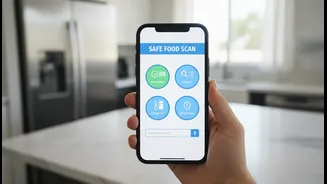
The Food Safety and Standards Authority of India (FSSAI) has created the Food Safety Connect platform, available as both a web portal and a mobile app, to streamline how consumers report food safety violations. Whether you've encountered adulterated food,
an unhygienic restaurant, expired products, or misleading labels, this is your direct line to the authorities. The system is designed to forward your grievance to the relevant food business operator or state food safety authority for investigation and action. Upon submission, you receive a unique tracking ID to monitor its progress. However, the effectiveness of this powerful tool hinges entirely on the quality of the information you provide.
The Power of a Clear Photograph
A picture is worth a thousand words, especially when it comes to a food safety complaint. A blurry, dark, or poorly framed photo can render your complaint unactionable. Your photographic evidence must clearly and indisputably show the problem. For packaged goods, capture the entire product, the area with the issue (like mould or foreign objects), the manufacturing and expiry dates, the batch number, and the brand name. For a restaurant complaint, photograph the unhygienic conditions or the problematic dish. The goal is to provide visual proof that is easy for an official to understand without any further explanation. FSSAI's own guidelines encourage users to upload photos to help authorities investigate more effectively. Without this clear evidence, your claim can be dismissed as unverifiable.
Your Bill Is Your Bedrock
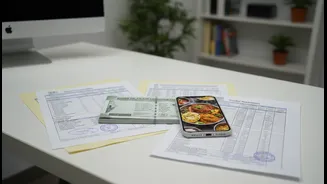
The single most important document in your complaint is often the bill or receipt. Forgetting to include it, or throwing it away, can be a critical mistake. The bill is the legal proof of purchase that links the specific product, date, and time of sale to a particular food business. Without it, a vendor could deny that you purchased the item from their establishment. FSSAI's platform specifically provides an option to upload supporting documents, and the bill is the most crucial piece of that puzzle. It validates your claim and provides officials with the concrete information they need to hold a specific business accountable. Always make it a habit to ask for a bill and keep it, especially if you have any doubts about a food product or eatery.
Details: The Difference Between Action and Inaction
Beyond photos and bills, the descriptive details you provide are vital. Vague complaints like "the food was bad" are impossible to act upon. You must be specific. Provide the full name and address of the food business. If possible, include its 14-digit FSSAI license number, which should be displayed on the packaging or premises. Clearly describe the issue: was the food adulterated, expired, or unhygienic? If it's a packaged product, transcribe the batch number and manufacturing details. The more precise and factual your information, the easier it is for the authorities to verify your complaint and take targeted action. Inconsistent or missing information is a primary reason for applications and complaints to be rejected or delayed.
A Final Checklist for Success
Before you hit 'submit' on your Food Safety Connect complaint, run through this quick checklist. Do you have a clear, well-lit photo showing the problem, packaging, and date codes? Do you have a photo or scan of the bill that clearly shows the vendor's name, date, and the item purchased? Have you accurately entered the name and address of the food business? Have you included the FSSAI license number if you could find it? Finally, have you written a concise, factual description of the problem, including product names and batch numbers? Taking a few extra minutes to ensure you have all these details in order dramatically increases the chances of your complaint being addressed successfully, helping to improve food safety for everyone.