






First Aid and Health First
The damp, humid conditions of monsoon are a breeding ground for bacteria and viruses, making health a top priority. Your kit should be ready for common monsoon ailments like colds, flu, and fungal infections. Pack a comprehensive first-aid kit with essentials
like antiseptic wipes, bandages of various sizes, sterile gauze, and adhesive tape for minor cuts and scrapes. Include over-the-counter medications for pain relief, fever, and stomach upsets. Given the increased risk of waterborne diseases, carrying water purification tablets or a portable filter is a wise move. Mosquitoes are also a major concern, so a strong insect repellent is non-negotiable to protect against dengue and malaria. Finally, add an antifungal powder or cream to prevent skin infections, which are common when clothes and shoes remain damp.
Staying Powered and Connected
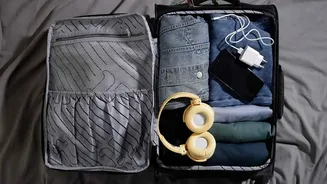
Power cuts and unreliable network signals are frequent issues during heavy rains and storms. Being cut off can turn a minor inconvenience into a serious problem. Your emergency kit must include a fully charged power bank to keep your phone and other essential devices running. A sturdy, waterproof torch with extra batteries is crucial for navigating dark areas during power outages. While a phone flashlight is useful, a dedicated torch saves your phone's battery for communication. It's also a good practice to save offline maps of your destination and important emergency contact numbers locally on your phone, so they are accessible even without an internet connection.
Waterproofing Your World
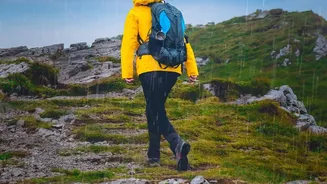
Keeping your essentials dry is half the battle during monsoon travel. A sudden downpour can soak through a regular backpack in minutes. Invest in a waterproof backpack or, at a minimum, a reliable rain cover for your bag. For electronics, documents, and cash, an extra layer of protection is needed. Use high-quality zip-lock bags or dedicated dry bags to shield your phone, passport, wallet, and chargers from any moisture. Some travellers even line their entire backpack with a heavy-duty plastic bag as a failsafe. Don't forget a waterproof pouch for your phone, which allows you to use it even in the rain without risking damage. Small silica gel packets, often found in new shoe boxes, can be thrown into your bags to absorb excess moisture and prevent mildew.
The Right Gear and Apparel
Your clothing and footwear choices can significantly impact your comfort and health. Avoid cotton and denim, as they absorb water and take a long time to dry in humid conditions, which can lead to skin irritation. Instead, pack lightweight, synthetic, quick-drying clothes. A reliable, lightweight raincoat or poncho is more practical than an umbrella, which can be useless in strong winds. For footwear, choose waterproof sandals with a good grip or quick-drying shoes designed for wet conditions. Closed shoes often trap water and can take days to dry. Always pack an extra set of clothes and socks in a waterproof bag; changing out of wet clothes promptly helps prevent fungal infections and catching a chill.
Sustenance and Miscellaneous Supplies
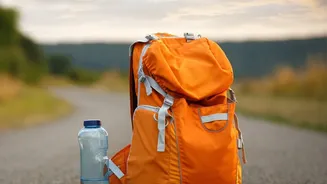
Travel plans can be easily disrupted by monsoon weather, leading to long delays. It is smart to carry your own non-perishable snacks and a reusable water bottle. Pack energy bars, dry fruits, and biscuits that don't require cooking. This ensures you have something to eat if you're stuck in traffic or if restaurants are inaccessible. Always opt for bottled, boiled, or purified water to avoid contamination. A small, quick-dry microfibre towel is another invaluable item, perfect for drying off after a sudden shower without adding bulk to your bag. Lastly, having a supply of hand sanitiser and wet wipes is essential for maintaining hygiene when clean water isn't readily available.